Home to Santiago – Day 33
Arsac to Bordeaux: 22km
This morning I have breakfast with Brigitte and, let’s call him R, who is getting ready for his day at work. When R leaves, I talk shop with Brigitte and we exchange ideas on teaching and language learning – I realise I have not quite retired yet. So I am ready to leave at nine rather than eight, but it was well worth the delay.
She also explains to me a little bit about how the Médoc works, about the strange village system, that rather than having one centralised village, you have tiny little communities, one with the pharmacy, one with the mairie and the school, one with the boulangerie, etc. She says it’s peculiar to this area. I feel a little more orientated. I like to know where I’m at.
We also talk about the route dilemma, and she says, “Oh, in the old days, the pilgrims just crossed wherever they could. You got to the river, and you continued until you found someone with a boat.” She continues by explaining that a specific land route on the other side of the river didn’t really exist as such. They might walk down and get a boat lower down the river, but she said there’d always be a boat. There were no bridges to cross back in the Middle Ages. I feel reassured on every measure, and I set off this morning feeling much more embedded in the Médoc.
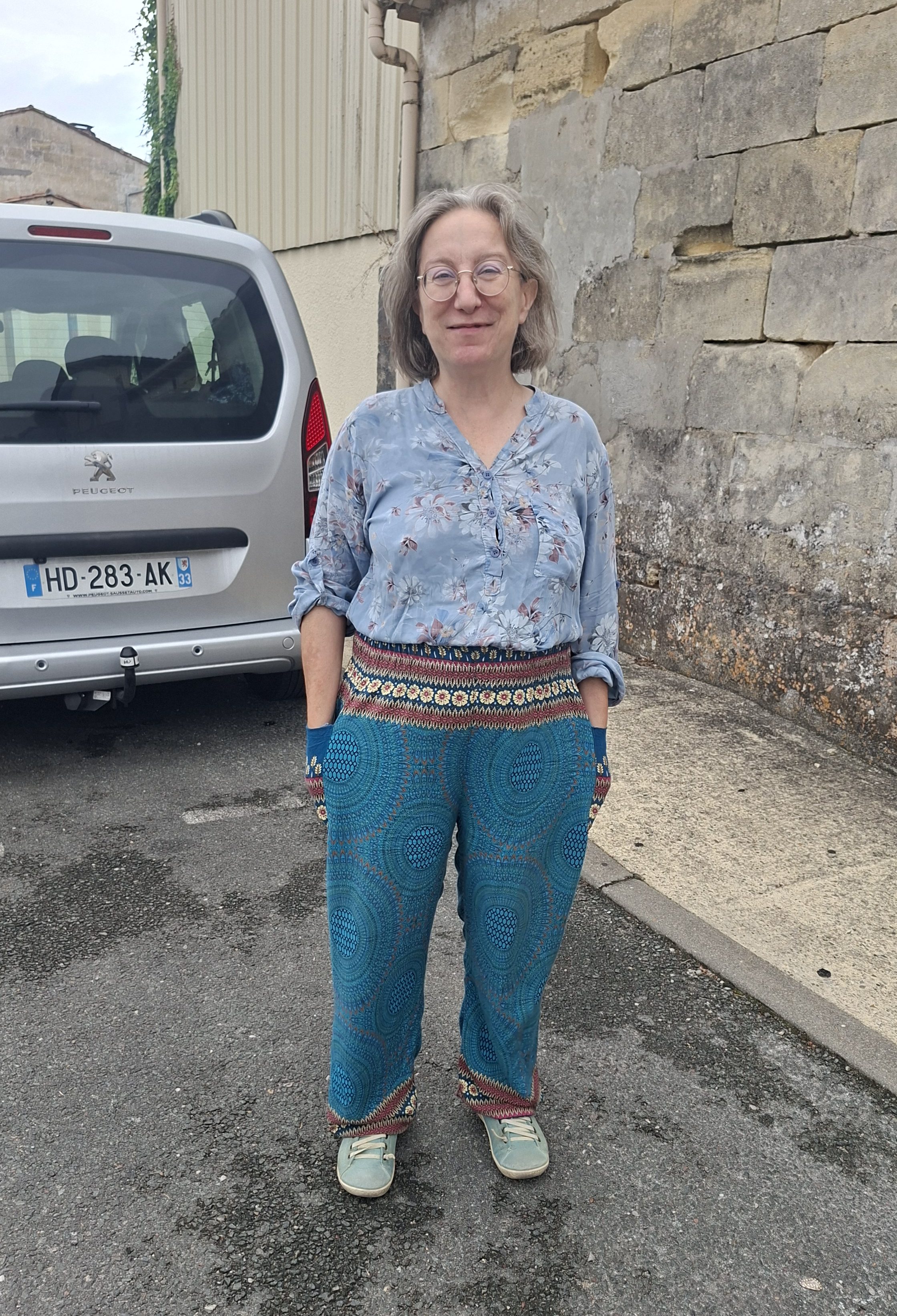
Walking through what would have been tinderbox woods. I’m reassured by the dampened yellow grass underfoot and the smell of wet pine and bracken around me. It’s not raining now, but the air is fresh with the effects of rain in the night.
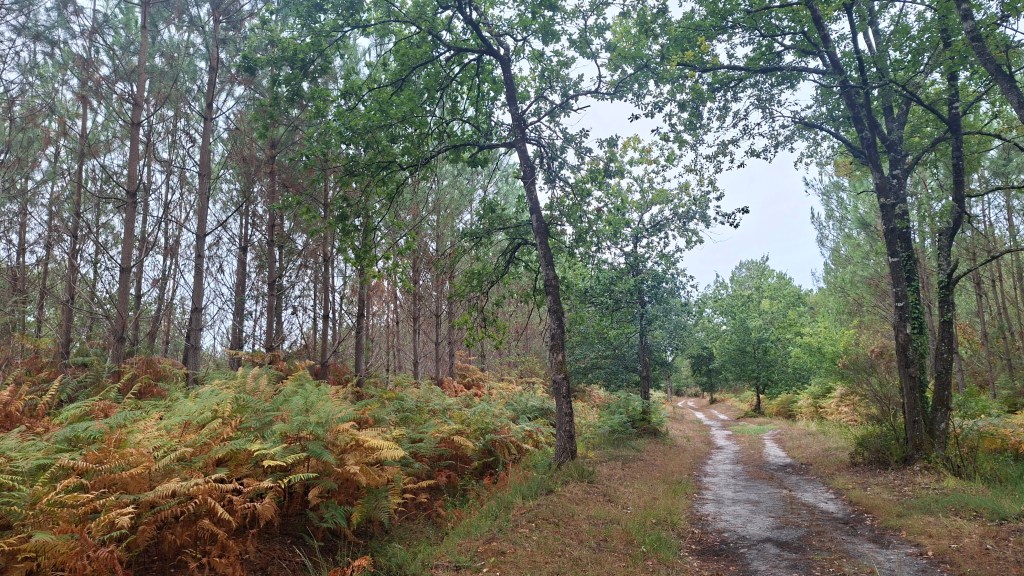
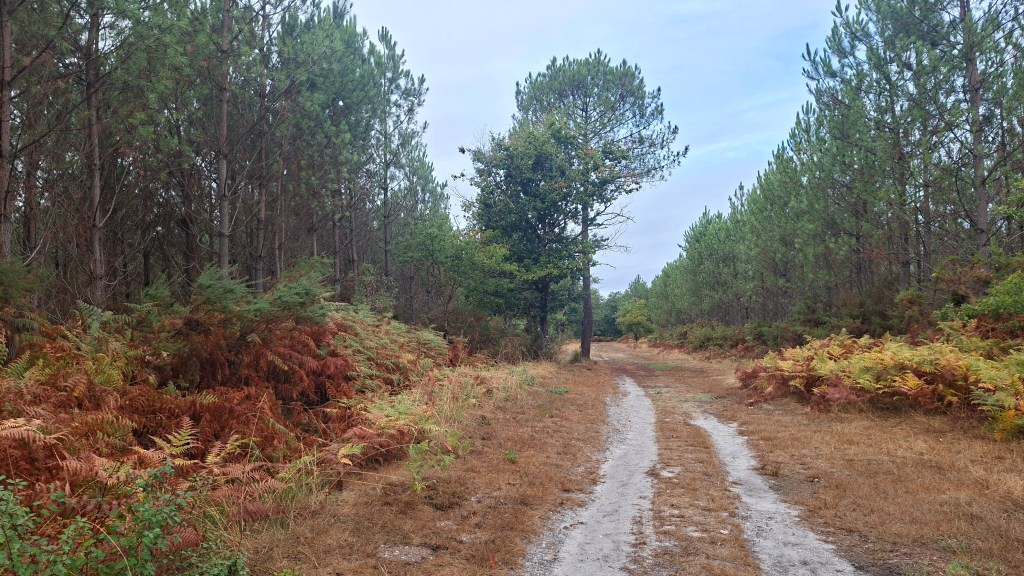
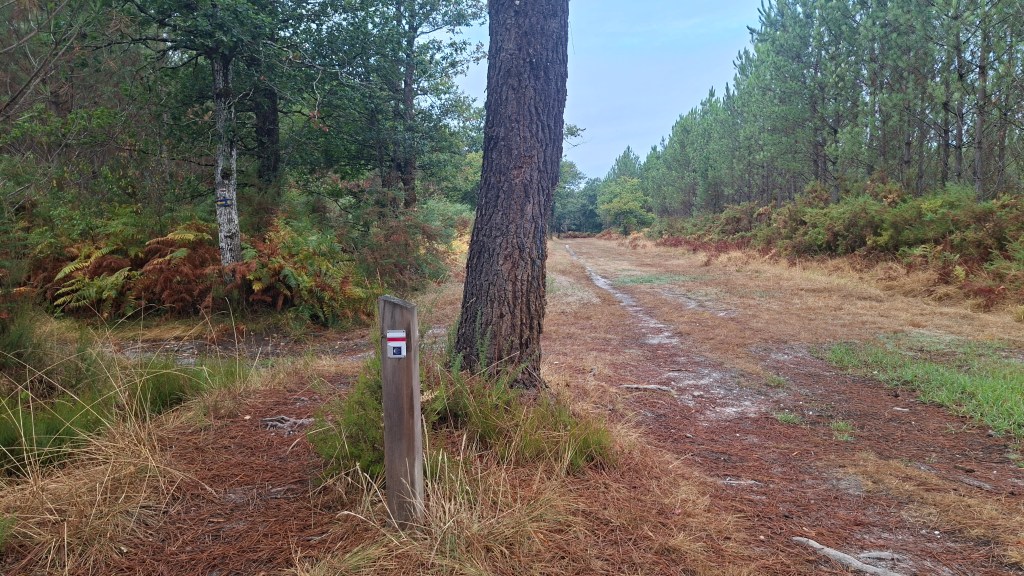
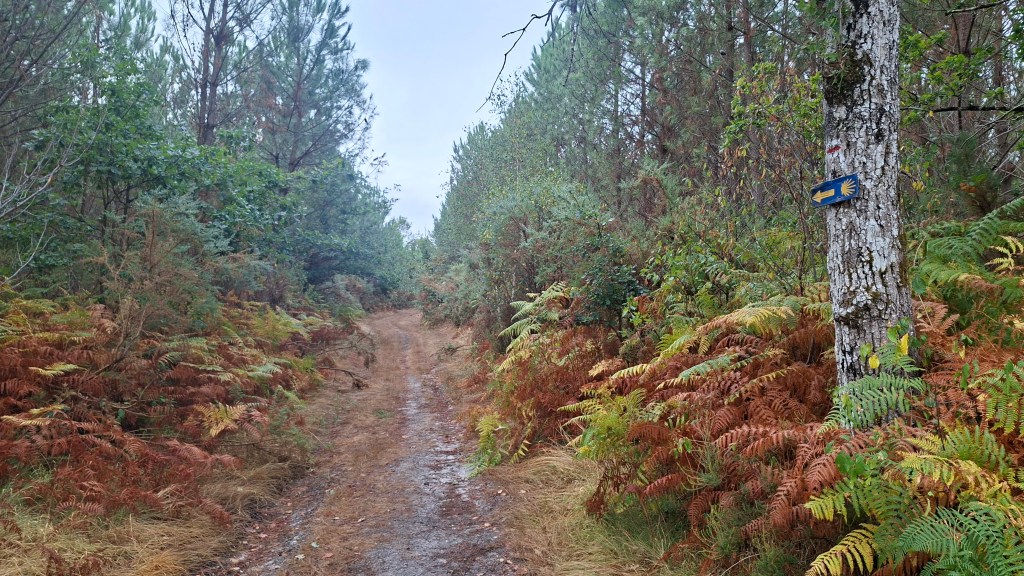
I exit the woods and come into Le Pian Médoc.
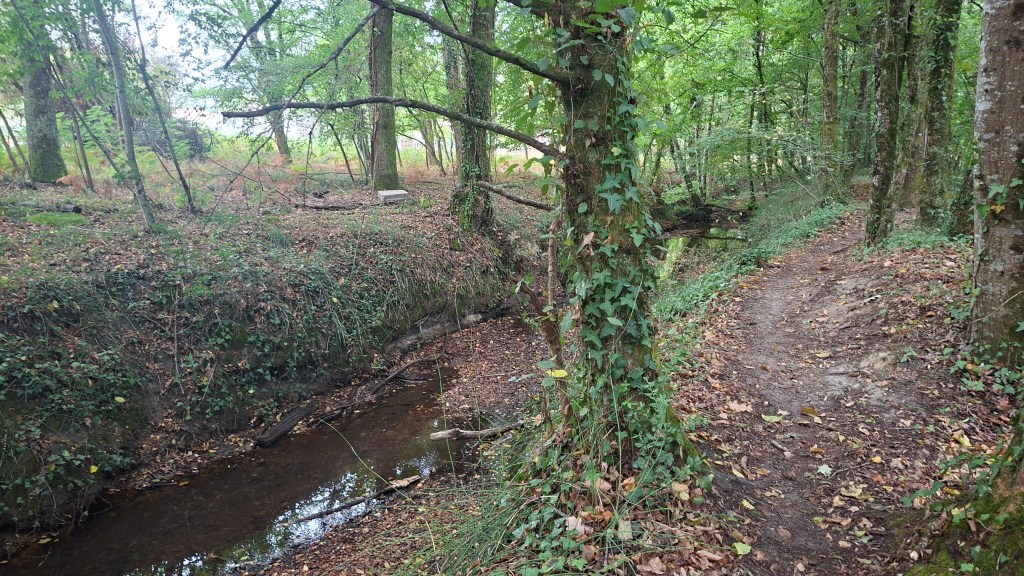
I say hello to a cyclist who then catches up with me and asks me about my route. The conversation goes wonderfully well. I don’t know if it’s because this is a conversation I’ve had many times before, if it’s because I’m familiar with all the routes in the Médoc we discuss, having thought about which one to take again and again. I don’t know if it’s because my confidence has been boosted by the evening and the morning with Brigitte and her family, who all speak French with an understanding of how to communicate with a non-native speaker. I don’t know what it is, but the conversation flows without a problem.
I’m thinking about this as he cycles off, and I my confidence is boosted further as the man looks over his shoulder and shouts out, “You speak French well, you know?”
I’m very shallow. I need that.
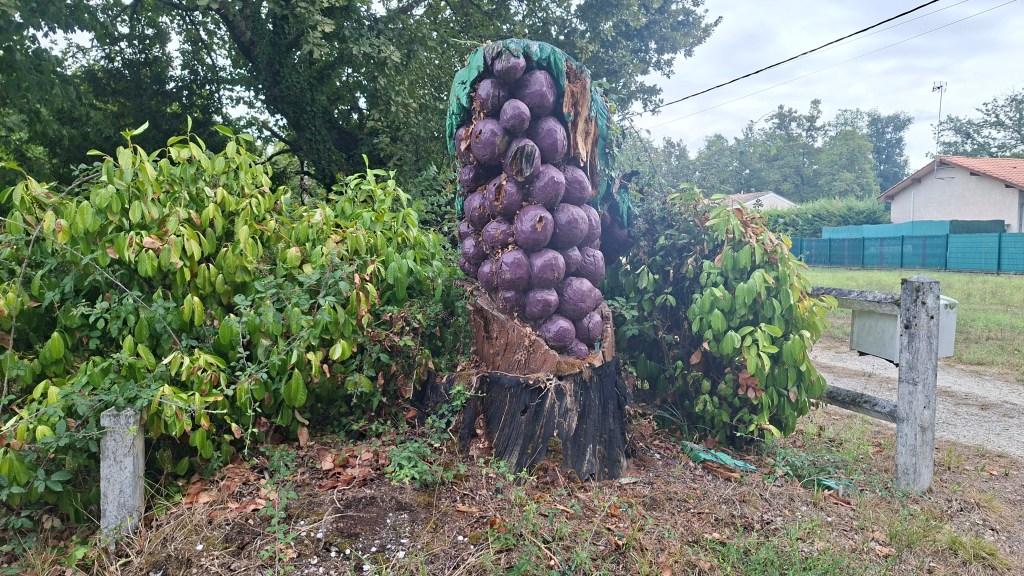
On leaving Le Pian-Médoc, I see a gentleman walking towards me, with a smile on his face. George, I think that was his name. He is setting off from Alicante to Santiago next Tuesday. We stop for a good twenty minutes to talk about routes and our experience of the Way.
I’m slightly gutted to hear that I’d mistranslated the entry for the convent at Le Pian-Médoc, and I could have stayed with the sisters there, which would have been my choice if I had known. Apparently, the “in case of emergency” is just when they’ll actually talk to you (it is a closed order), not when you can stay there.
But never mind. Fate intervened, and due to my misinterpretation, I got to stay with Brigitte and to have an experience which might not fit in with my idea of what I’m doing so much, but which almost certainly did me the world of good, and gave me a proper meal and the opportunity to learn.
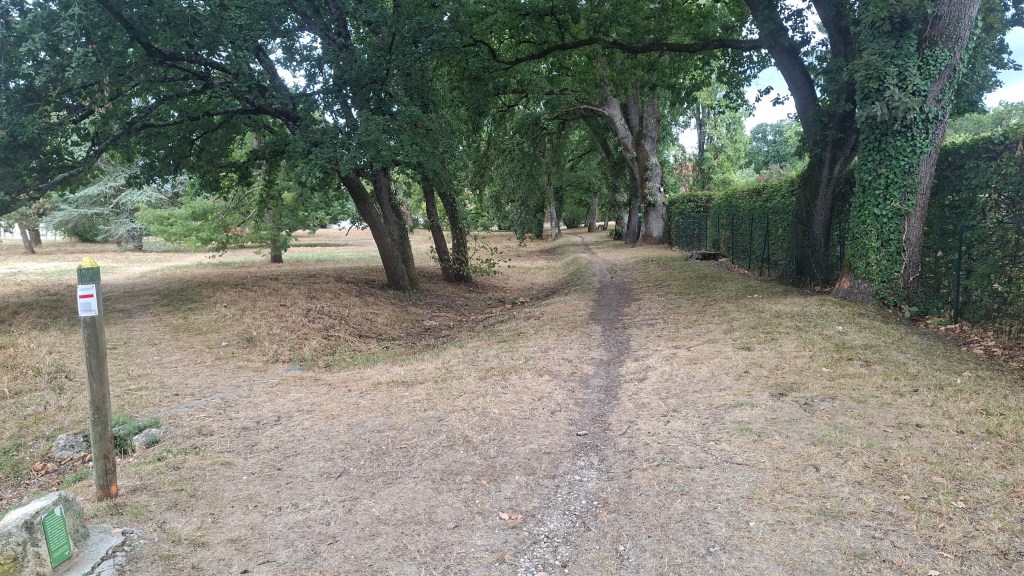
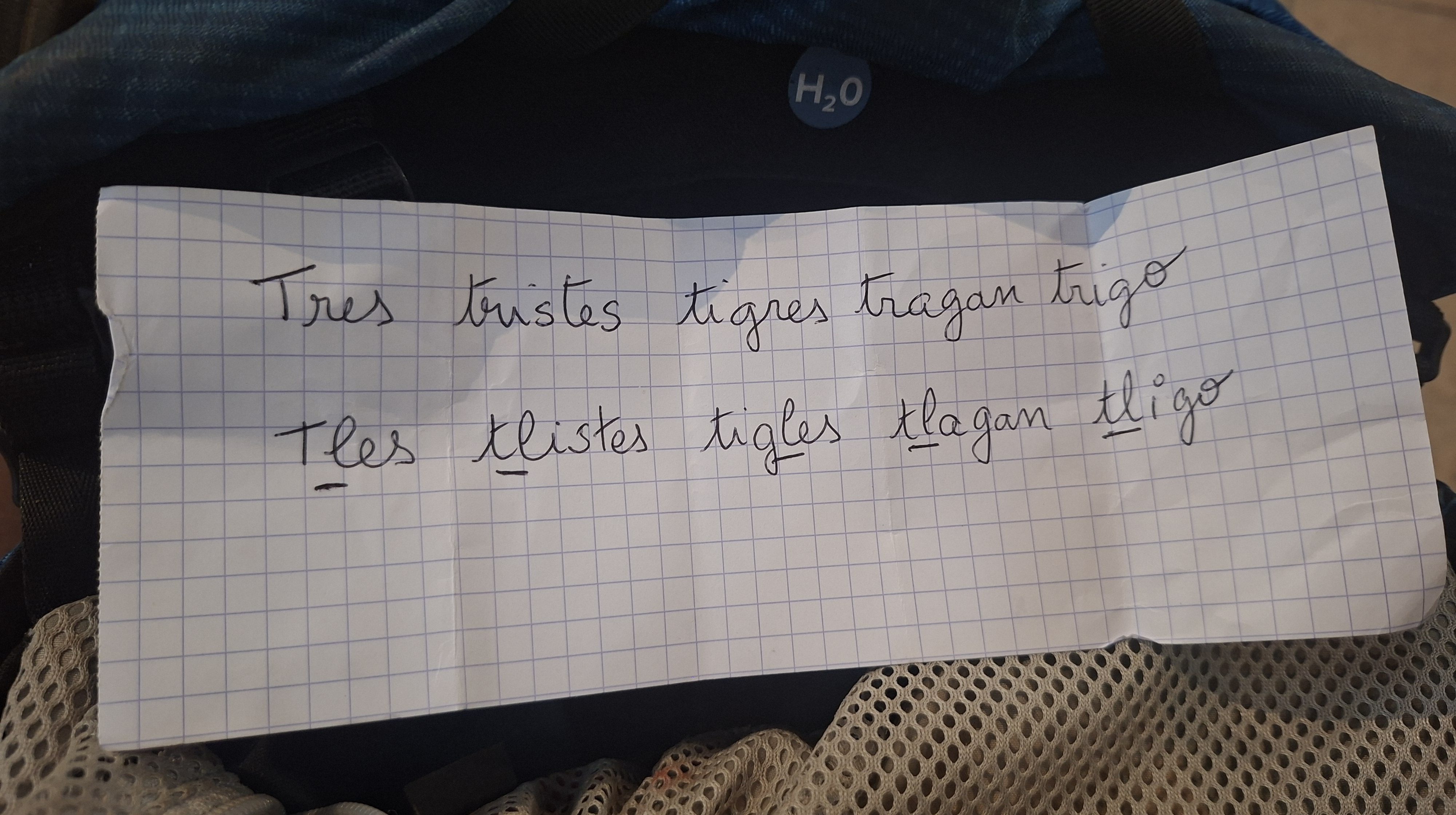
What’s more, in my pocket, I have the Tres Tigres Tristes tongue twister, which she teaches to her students. But not just that, the trick on how to say it right. Maybe finally I will roll an ‘R’! Walking through the forest today, I practise this. The trees are properly impressed.
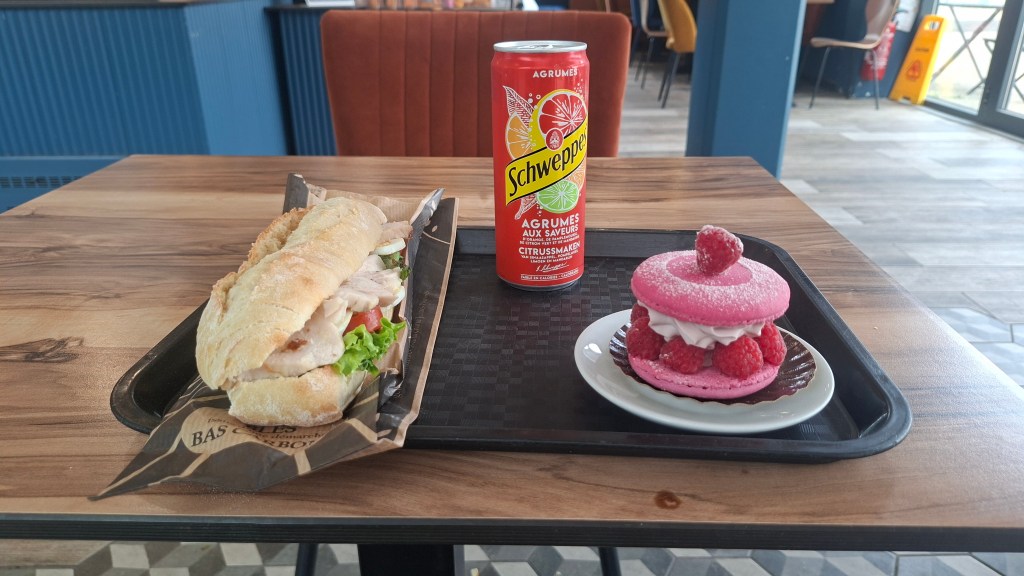
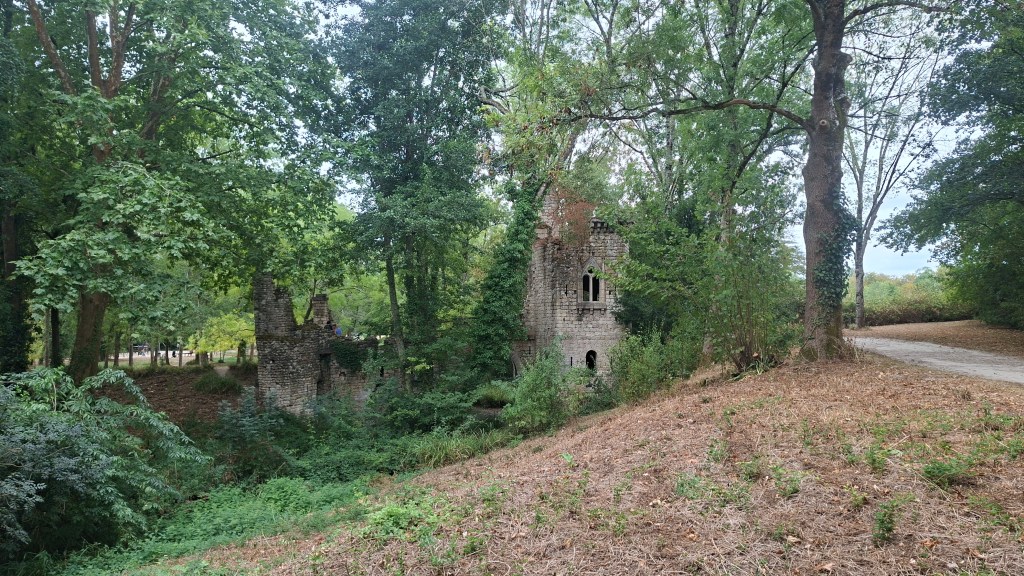
I am not a big one for detours, but when I see that Chateau Delamon in Blanquefort has, at least in part, been turned over to the public, I decide to explore.
I have been put out by all these gated manoirs and chateaux of the great rich wine estates of the Médoc. For me this isn’t the France of the Revolution. Or, at least, it’s the France of a different Revolution.
Château Dulamon does not disappoint. Sitting on a bench by the lake, I read up about the history of these grand wine estates. Ancient estates, some of them. Businesses, all of them. Over the years, the aristocracy may have changed, but the patterns of wealth have remained. Gated communities, luxury goods, investors, concentrated wealth. I am not unaware of the benefits the business brings to the region, but the form does not sit comfortably with me.
However, Château Dulamon is different. It went through the same processes from ancient aristocracy through to modern bankers. But due to a twist of financial fate, the family went bankrupt, and the ornate artificial lake and grottoes and grounds of dubious taste were given to the public. Every inch of the park is being enjoyed today. And after going through many uses, the chateau itself has ended up as an educational institute.
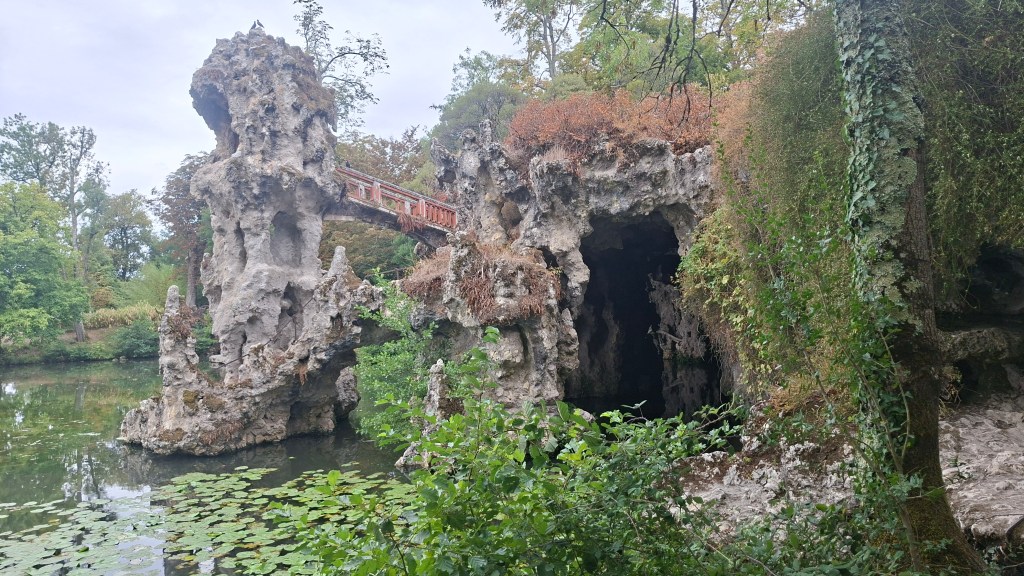
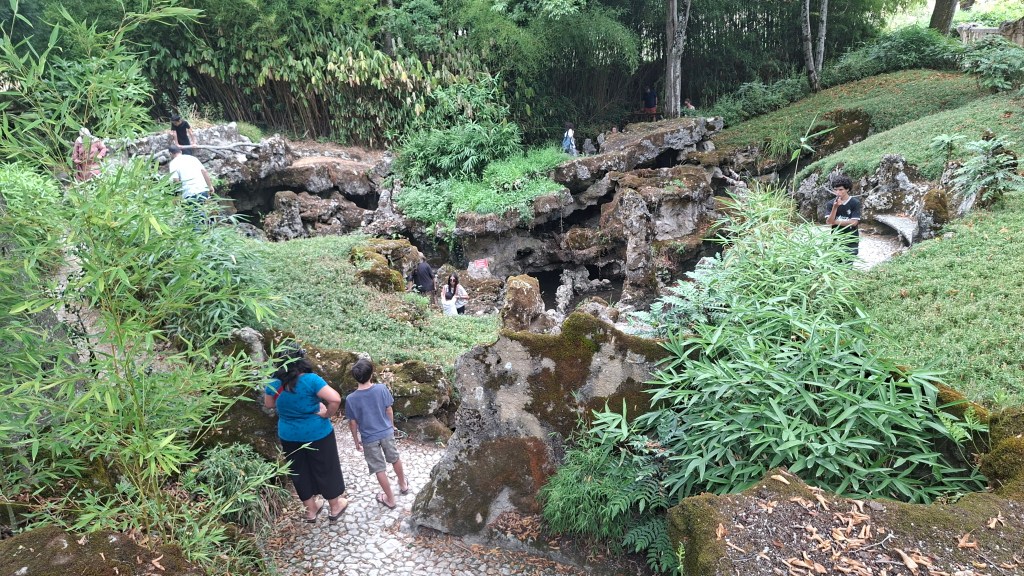
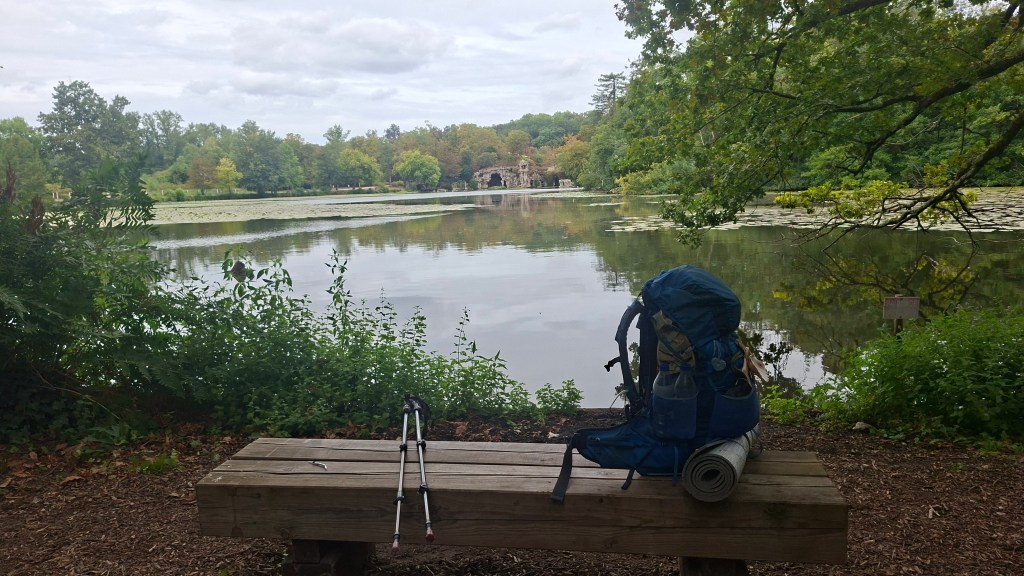
In this case, I feel that the reversal of fortunes of the owners of this place have made a real change for the good. But I am not going to condemn the winemakers of Bordeaux. I enjoy the product too much.
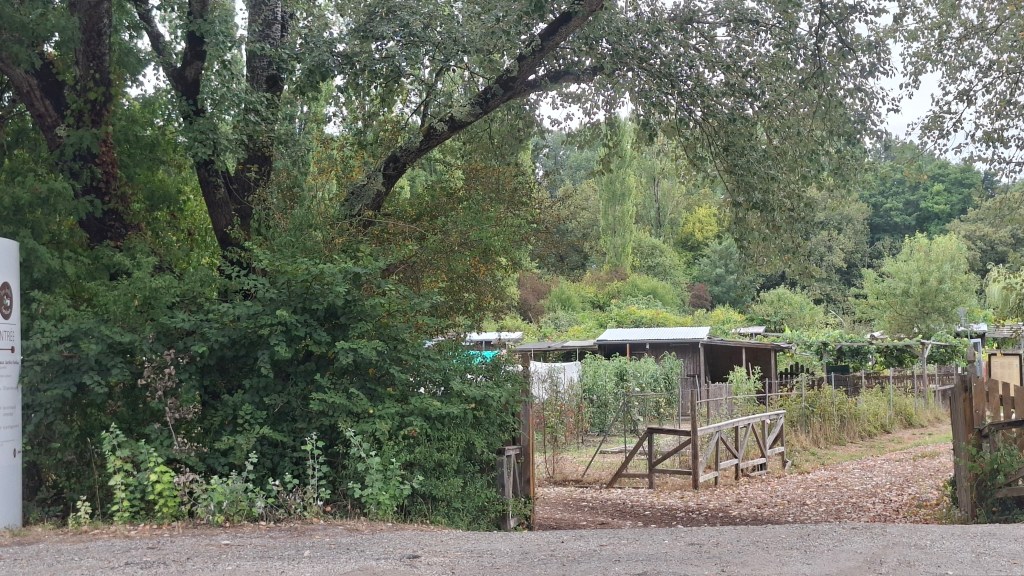
The route from the château gardens is almost entirely along the main roads, but on a cycle path, slightly separate. Very easy, probably what I need right now.
Eventually I reach the suburbs of Bruges and Le Bouscat. I pass the little halte jacquaire of the local association within the walls of the cemetery. Maybe if I’d realised it was in the cemetery itself, I would have chosen that, but enough of regrets.
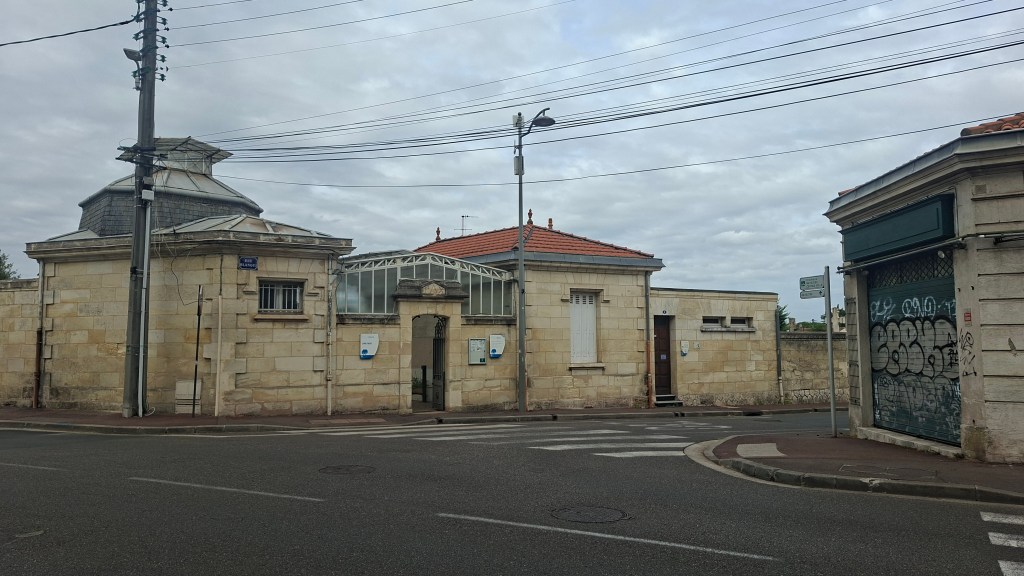
I arrive in Bordeaux.
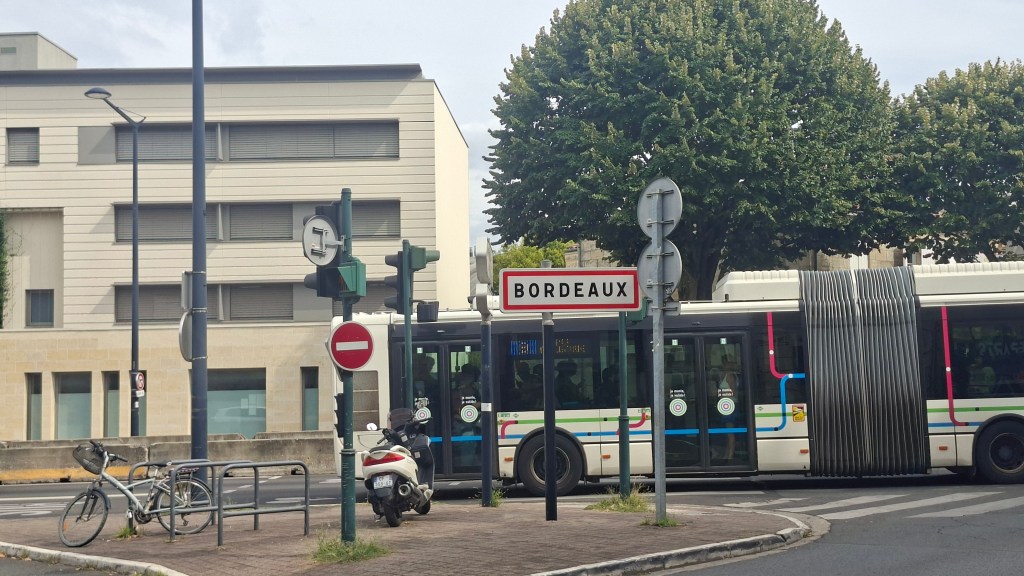
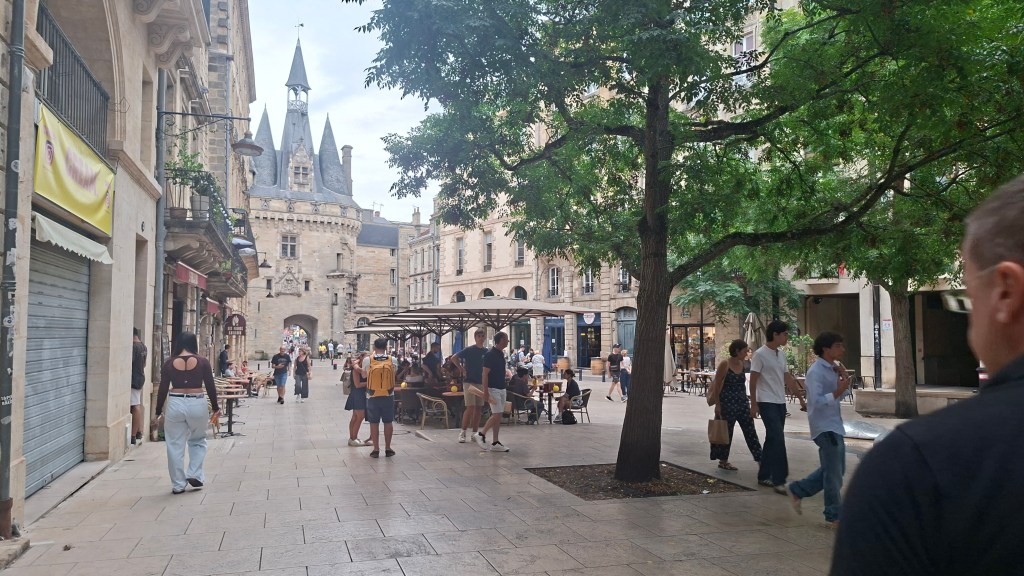
Even more than last time I was here, I’m overwhelmed by how beautiful this city is and how cool. Yes, there are people with great hair and fancy shoes and proper clothes, but there’s also a bohemian element, so my scruffiness fits in. It feels like a perfect city for me, and thank god I’m not here during the height of the heatwave. I can appreciate it properly.
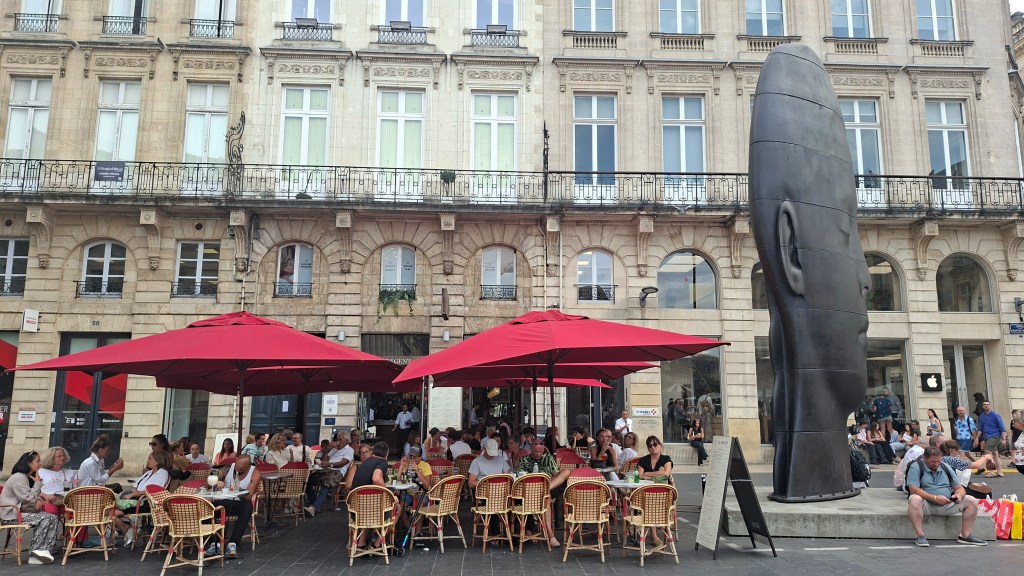
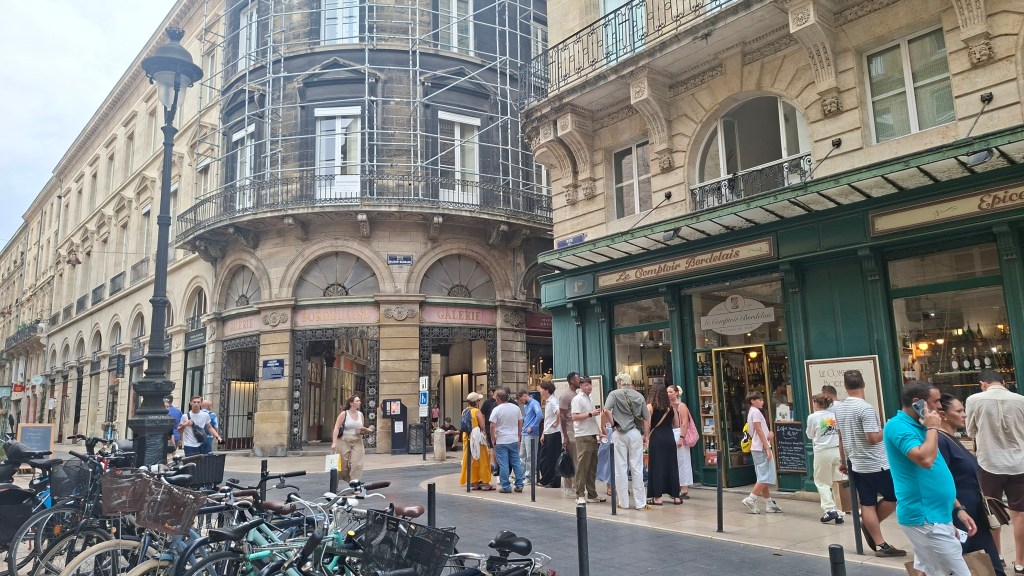
I arrive at the Maison de Pèlerins, where I’m greeted by Mireille and Joanne, the two Québécois hospitaliers, who inform me it will not be possible for me to pass beyond the next stop of Gradignan, as the forests of the Gironde and les Landes are all closed down. I’m quite surprised at this, as I spoke to the people at Gradignan from the Gironde association, who told me I could continue at least as far as the next stop, as long as I do not walk on the afternoon.
I do my research. Nothing is clear. And we agree the best thing to do is to check day by day. There will always be a solution, but I promise I won’t put myself in any danger, or cause additional problems for the fire brigades.
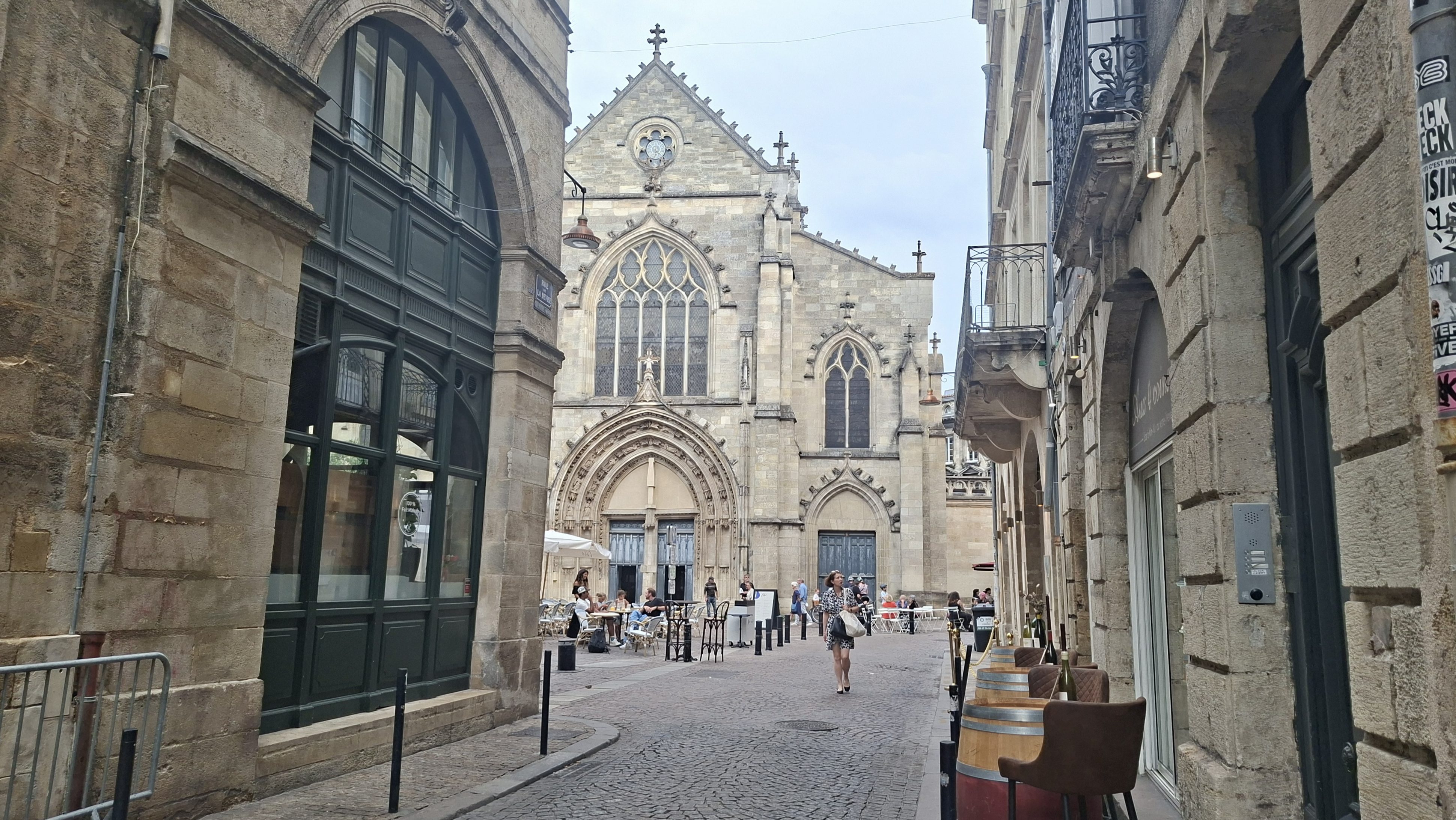
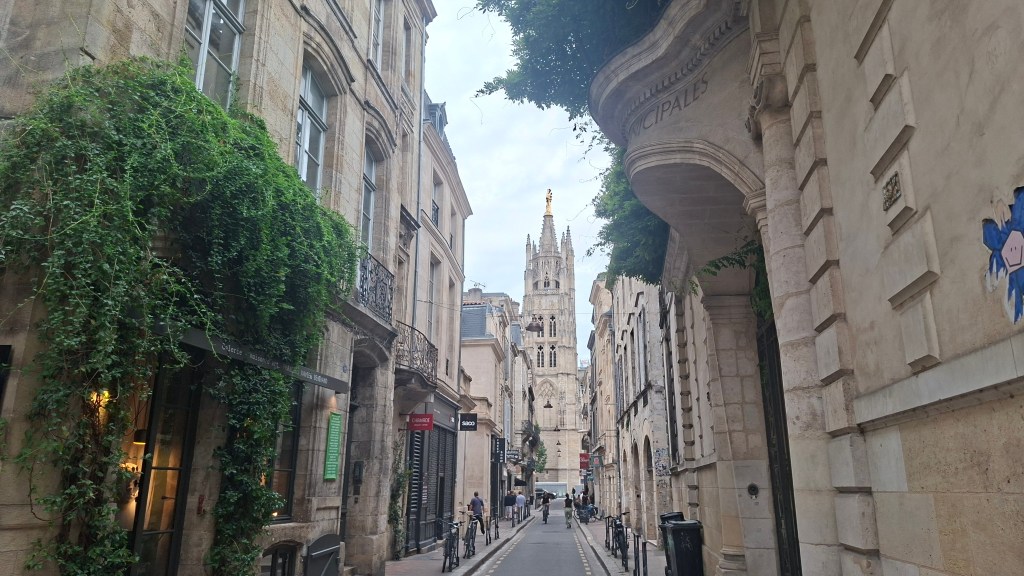
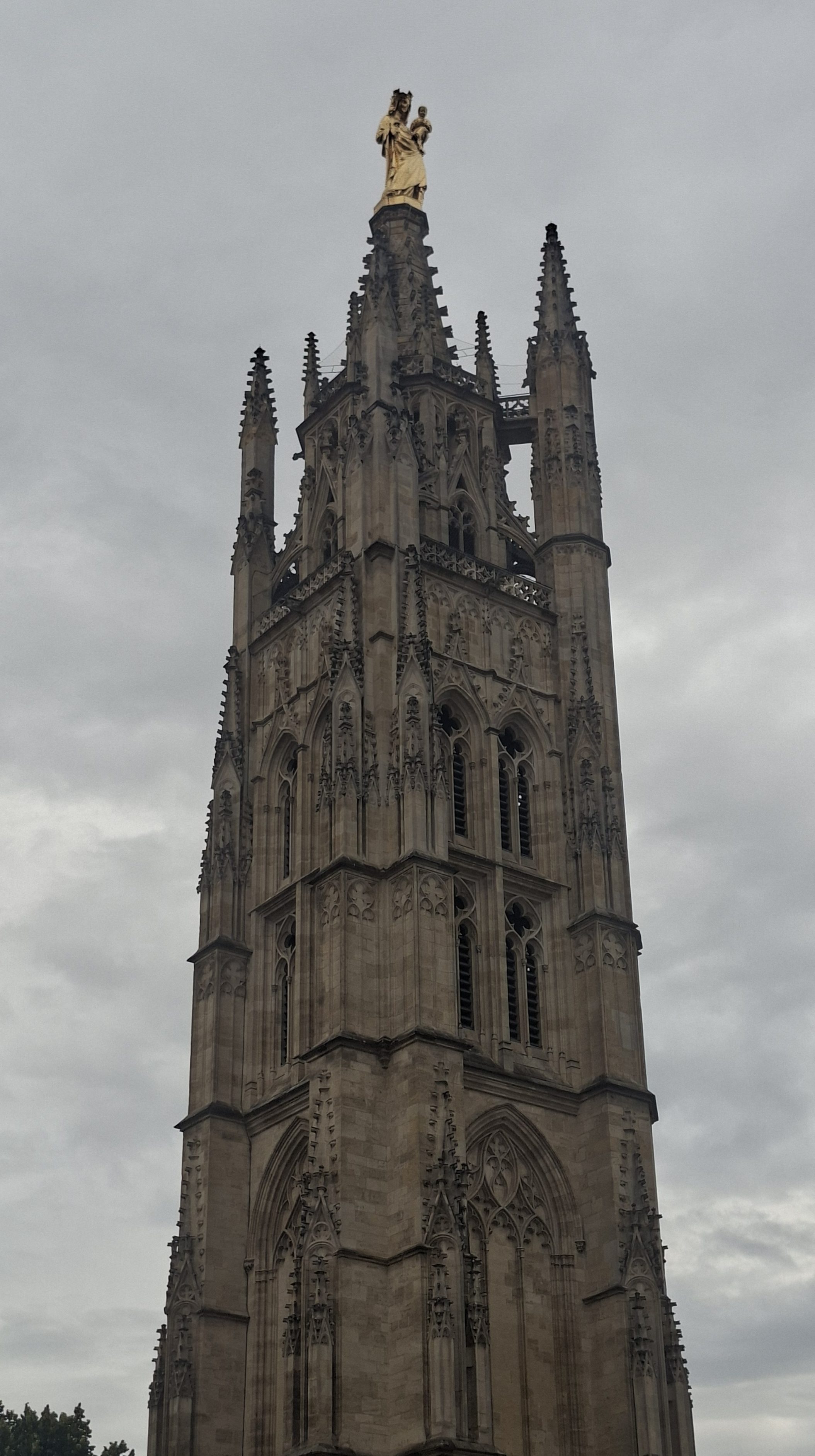
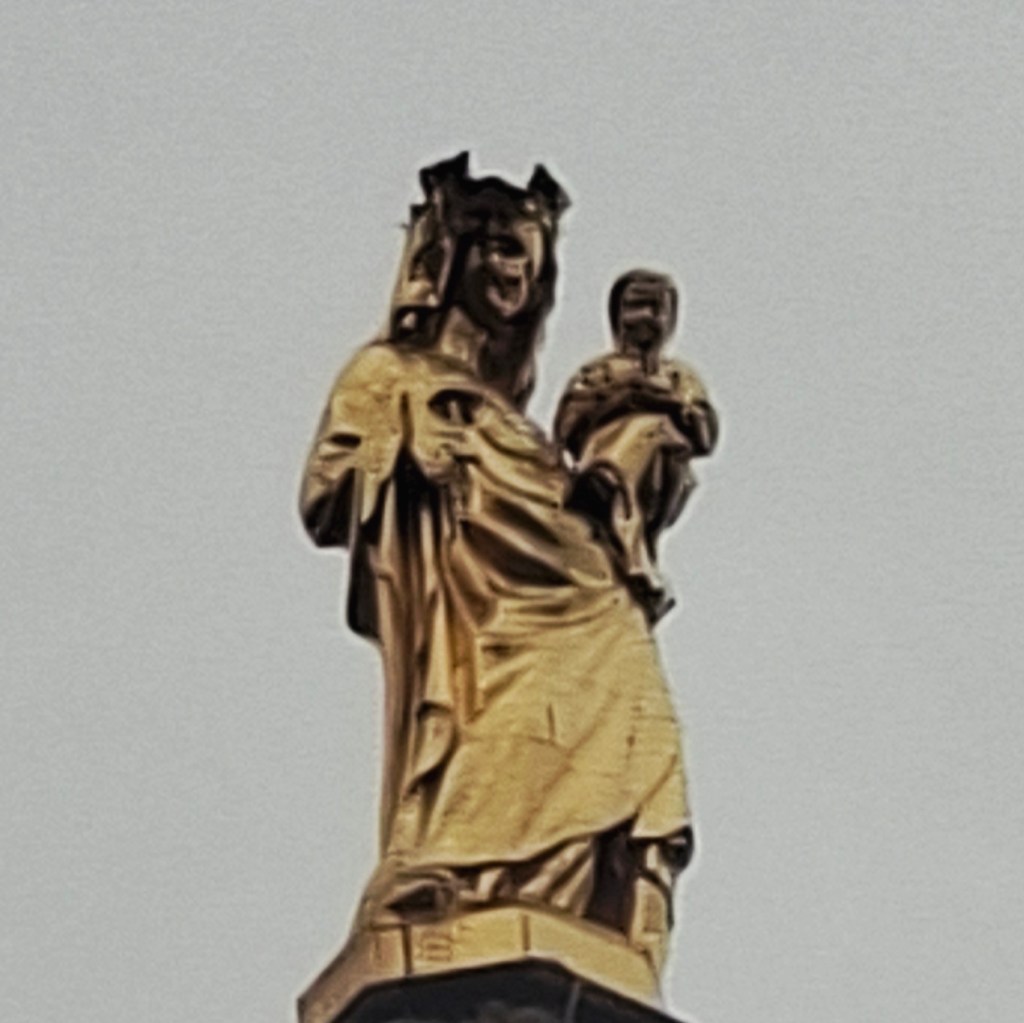
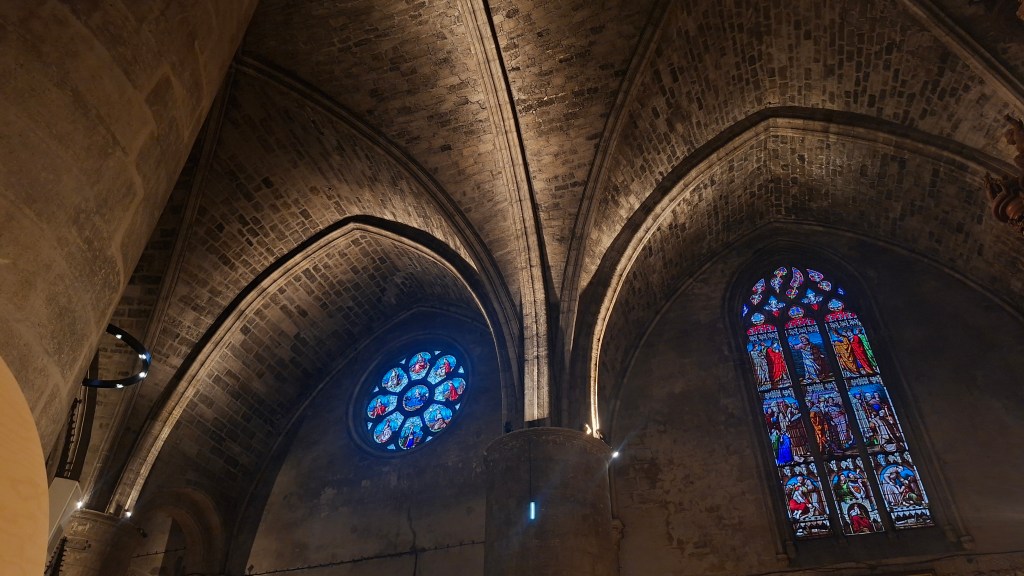
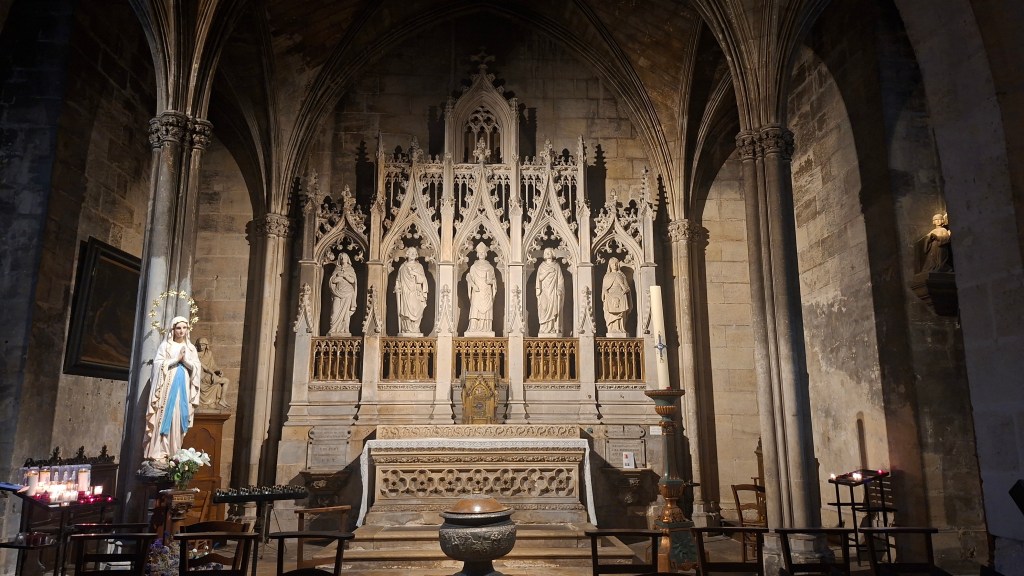
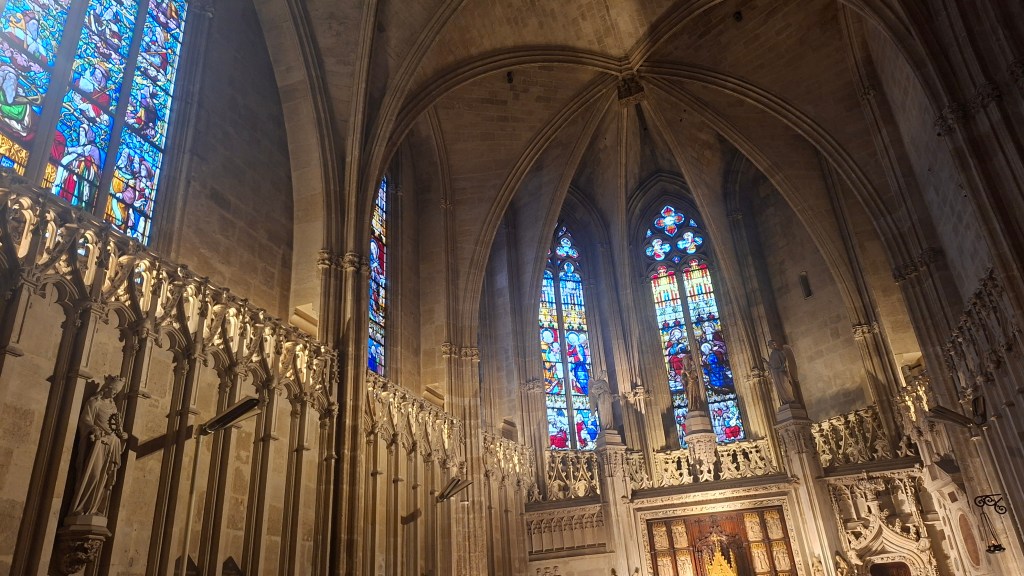
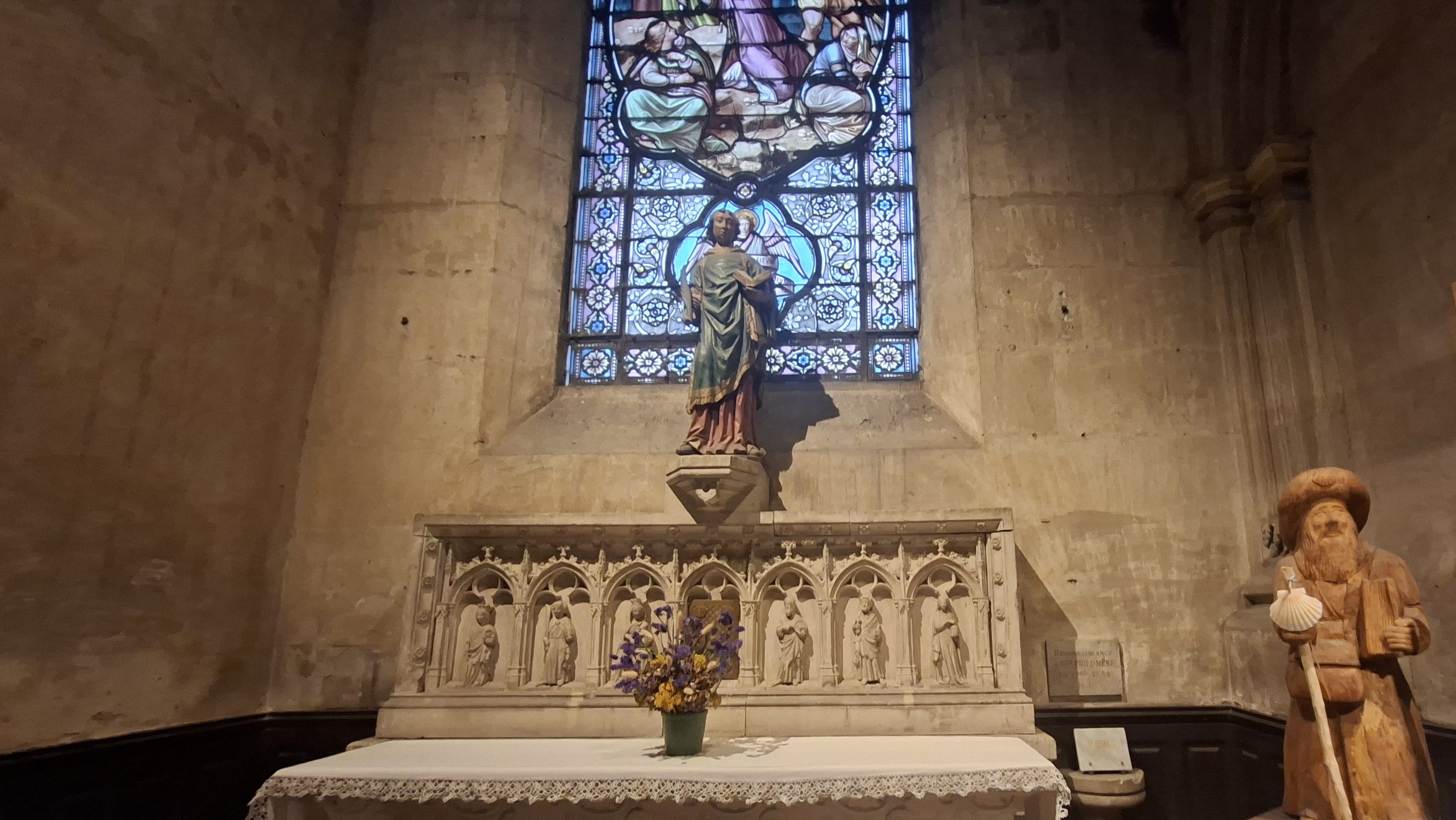
Having cleaned up, I go to do a quick tour of the sites I missed when rushing here: the cathedral, closing down, but what little I see, beautiful, dark, lit by the stained-glass windows.
A man outside asks for money, but knowing it’s close to closing time, says, “Don’t worry, on your way out.” So while I’m in there, instead of paying for a candle, I keep a couple of euros for him. I’m quite sad when I leave and he’s been moved on.
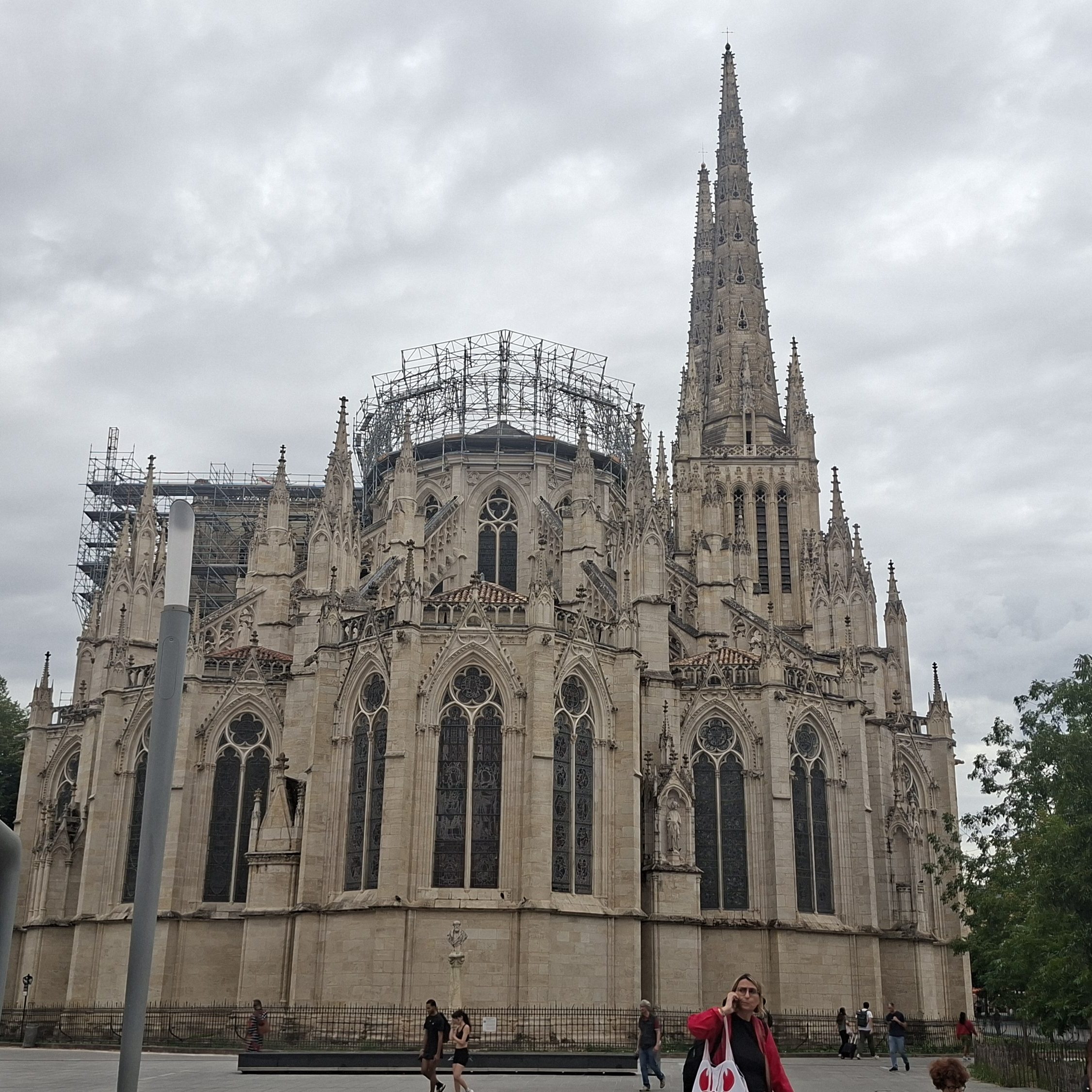
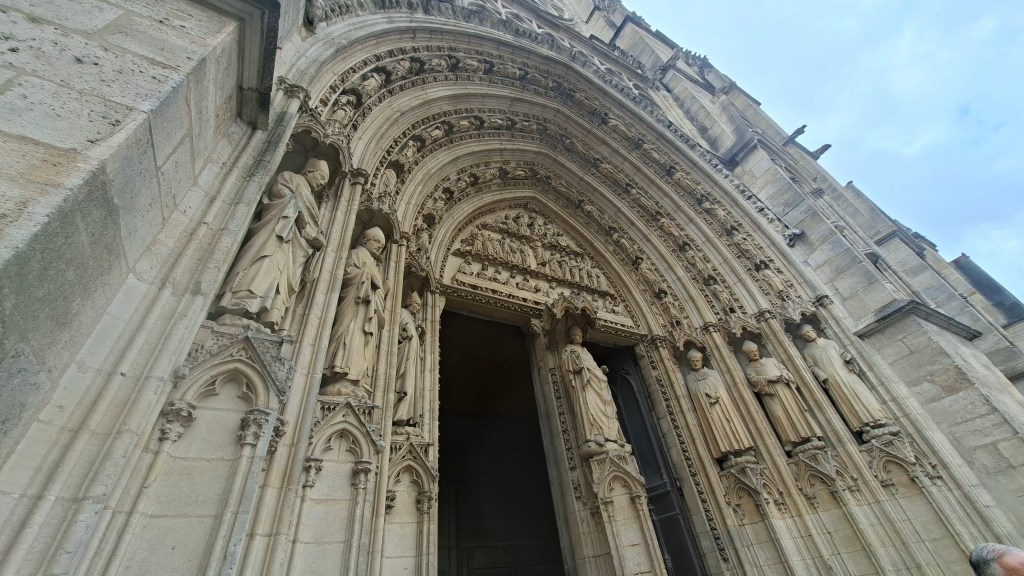
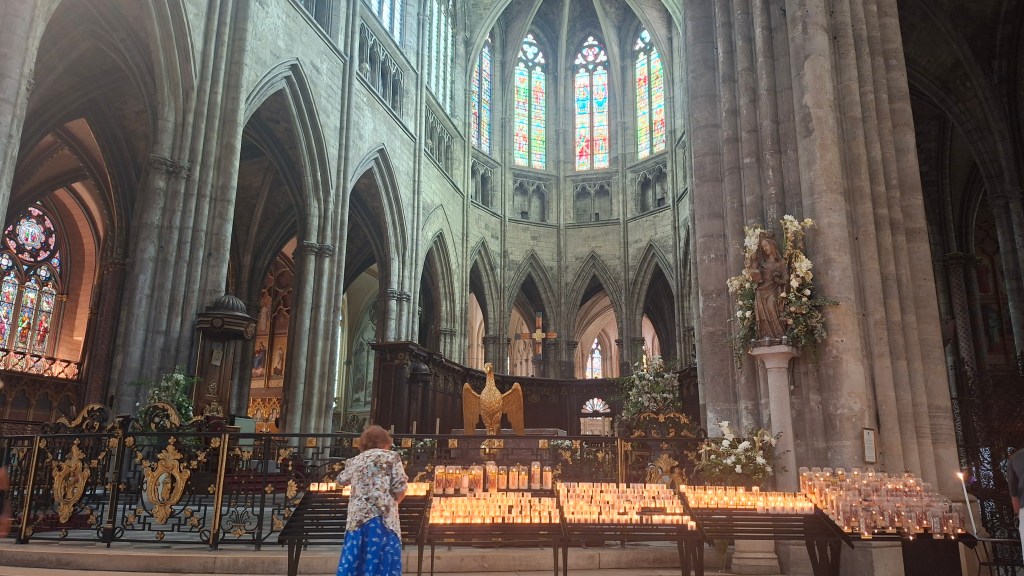
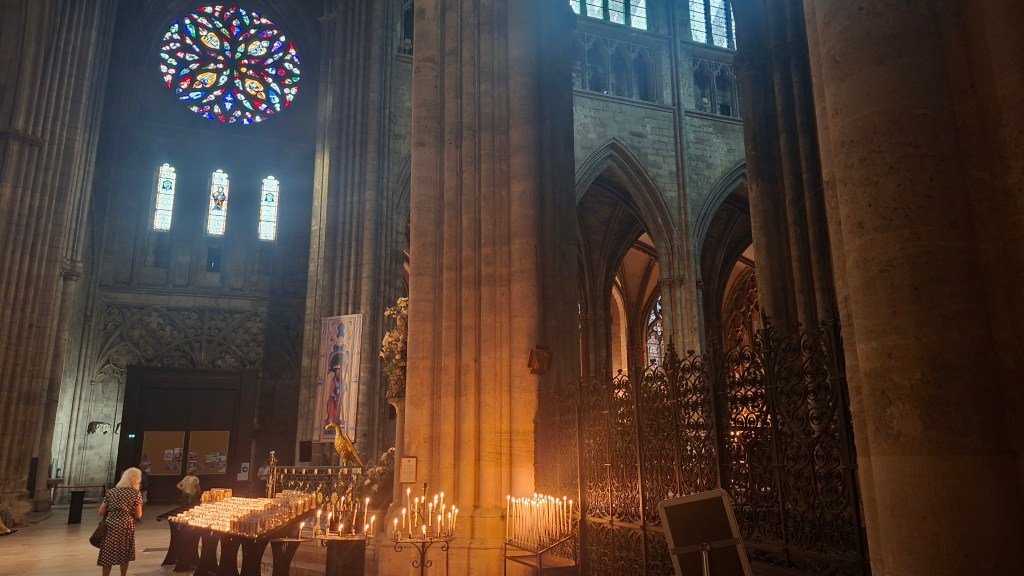
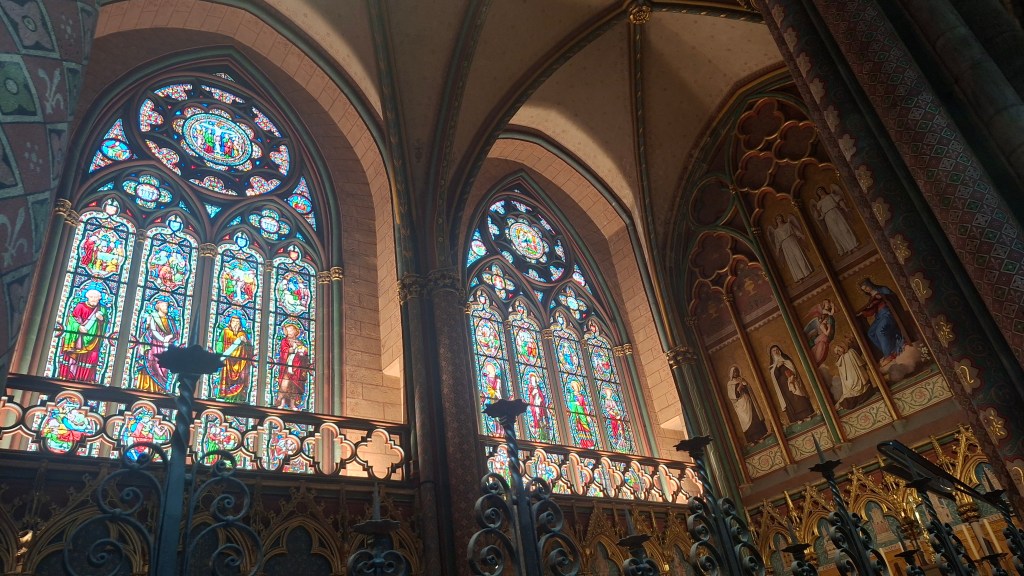
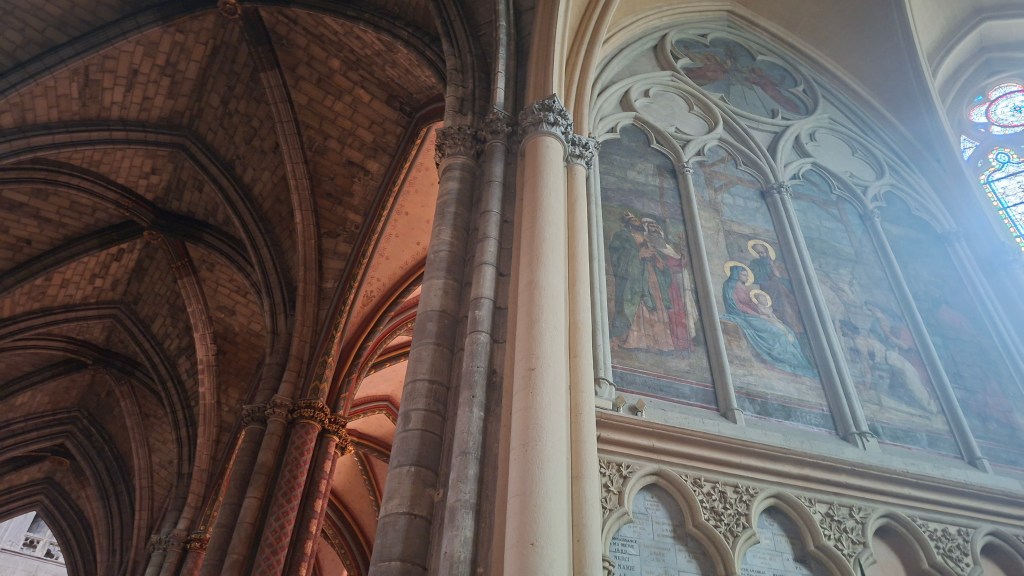
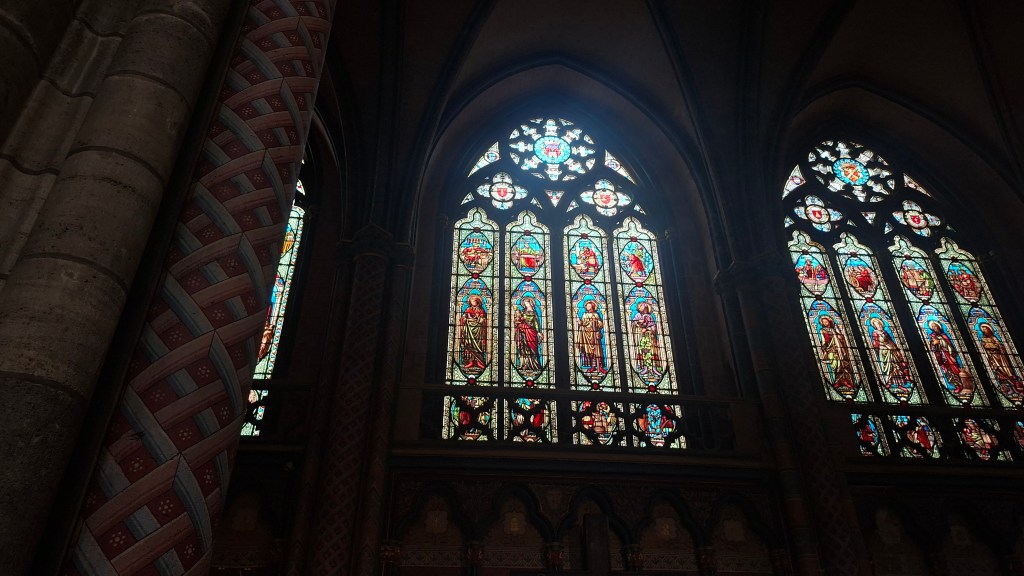
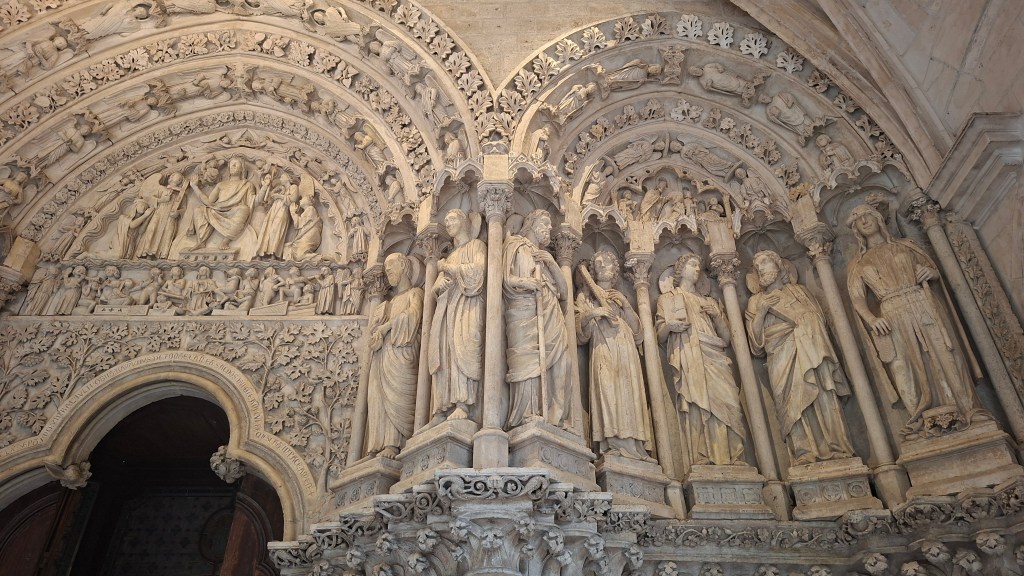
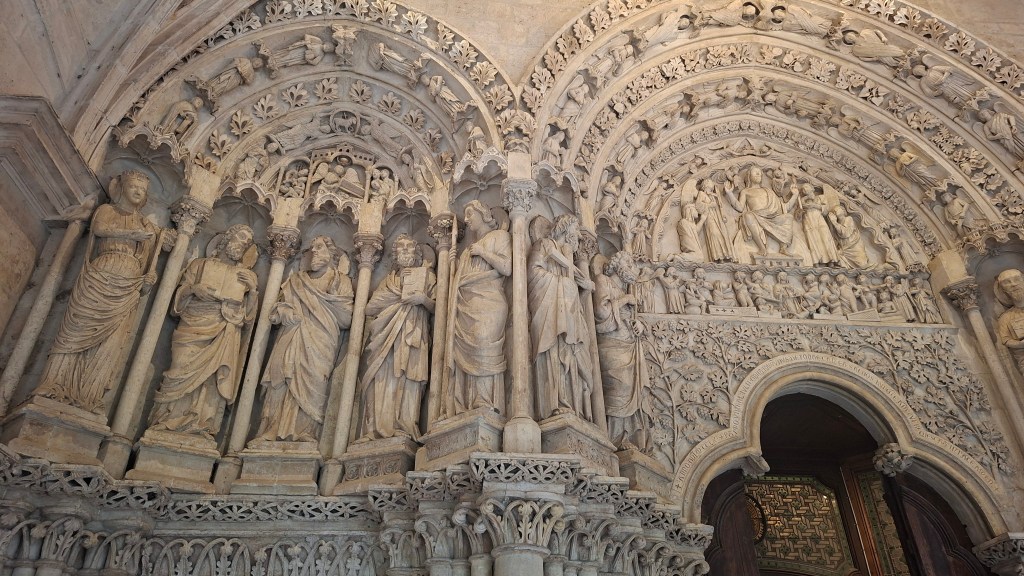
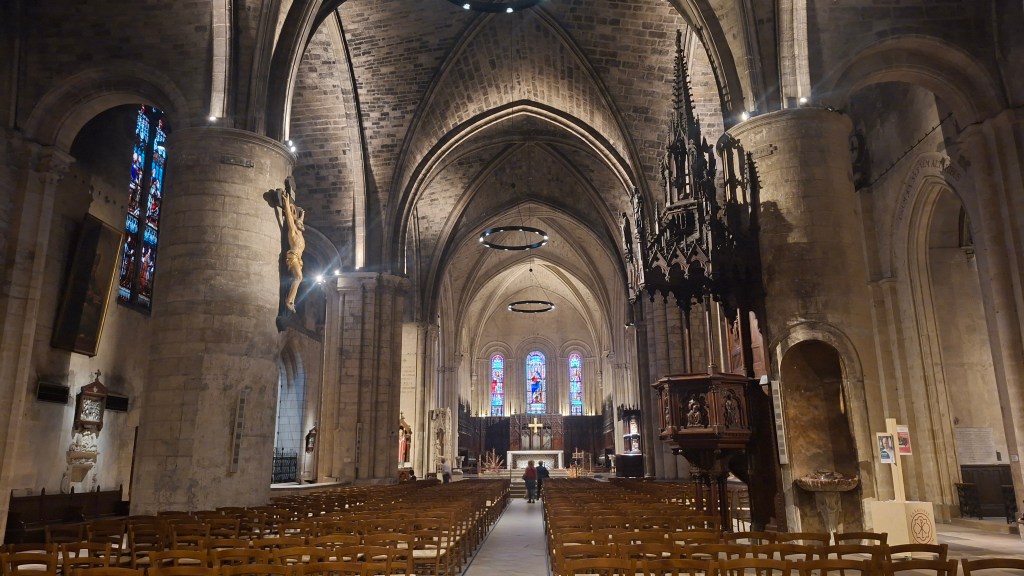
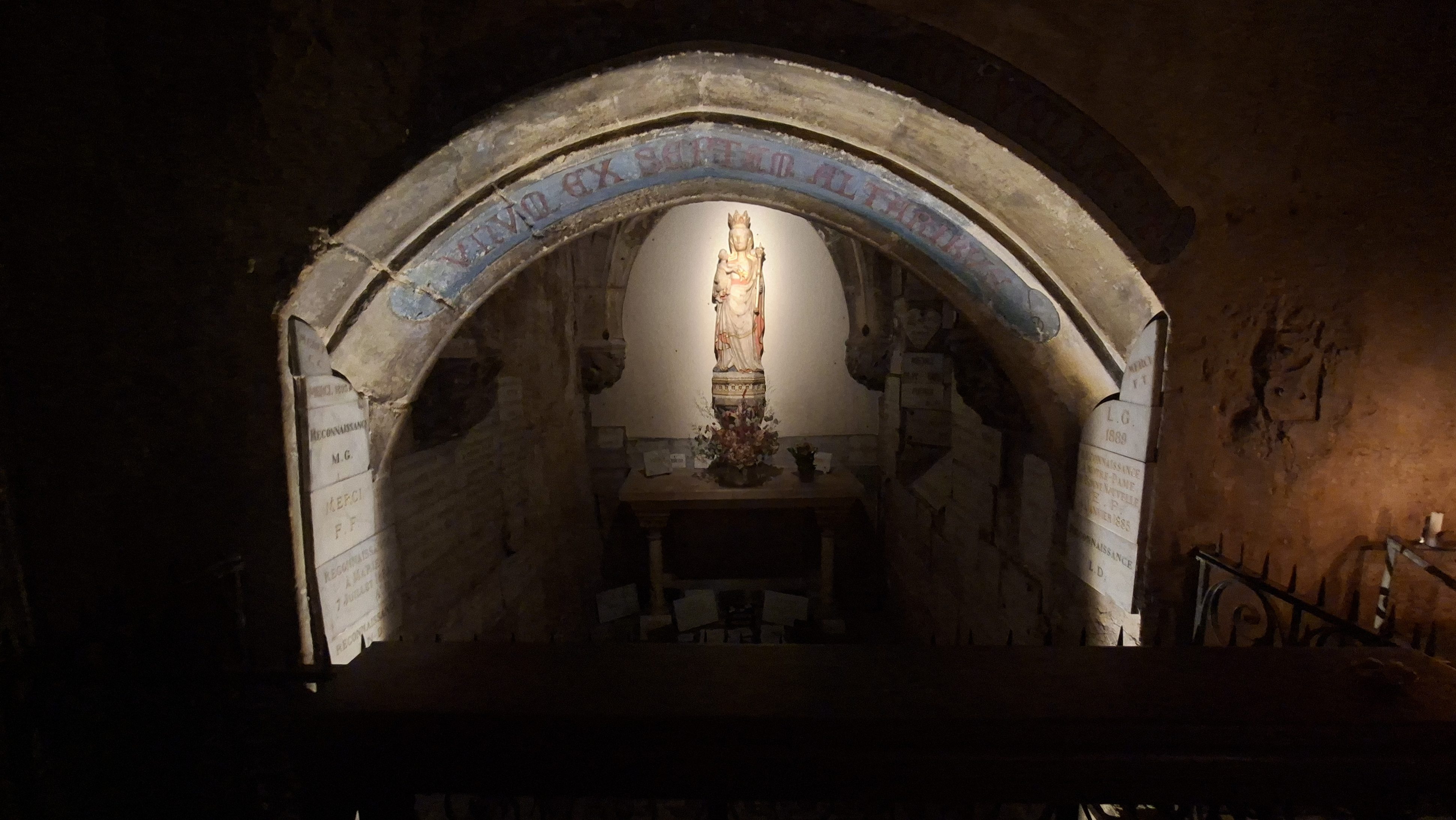
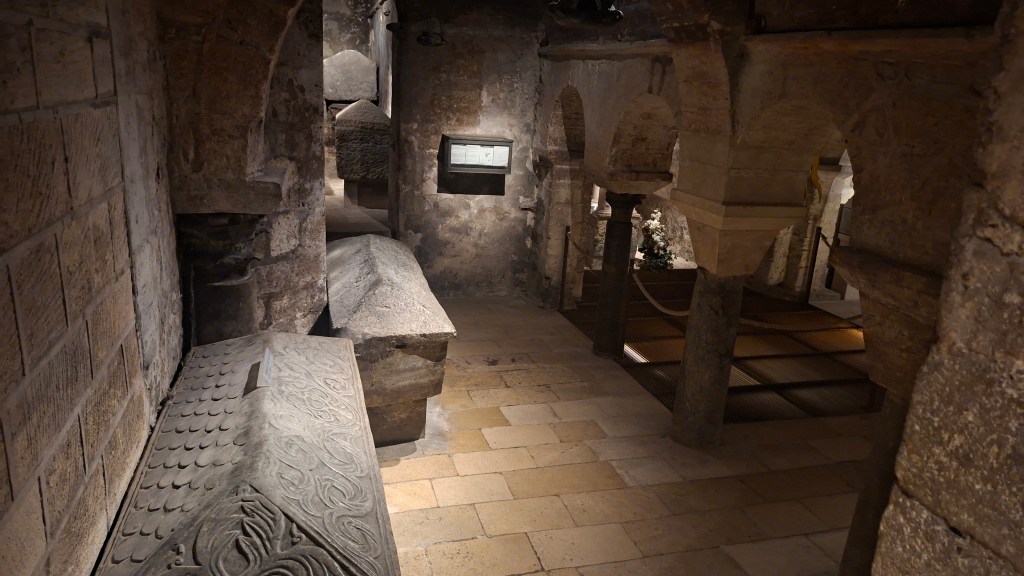
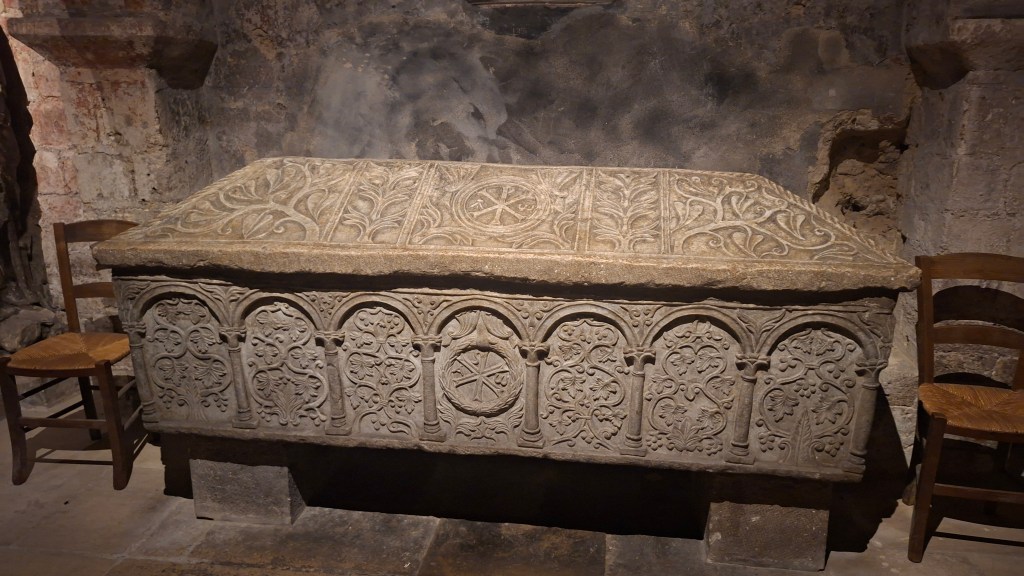
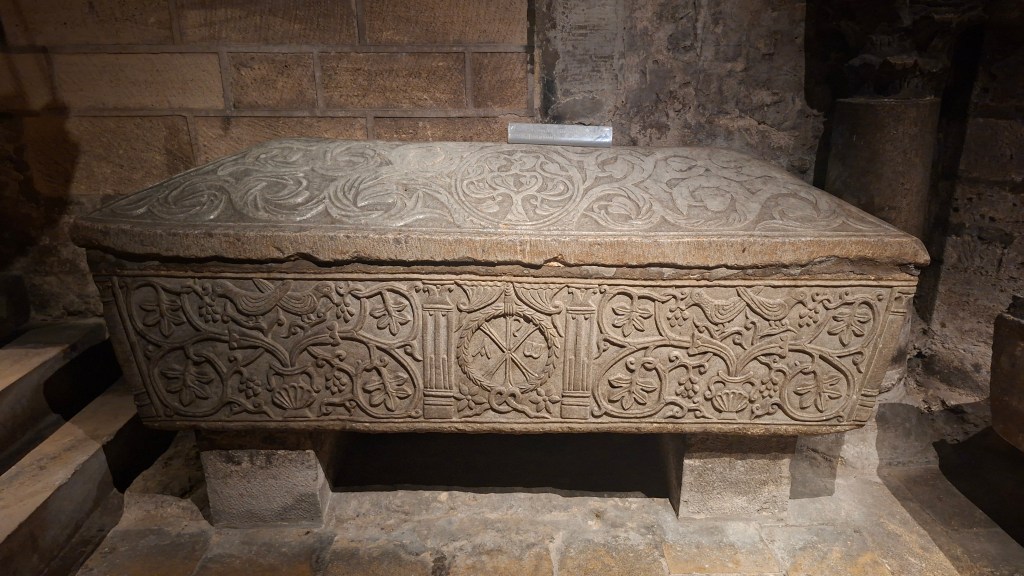
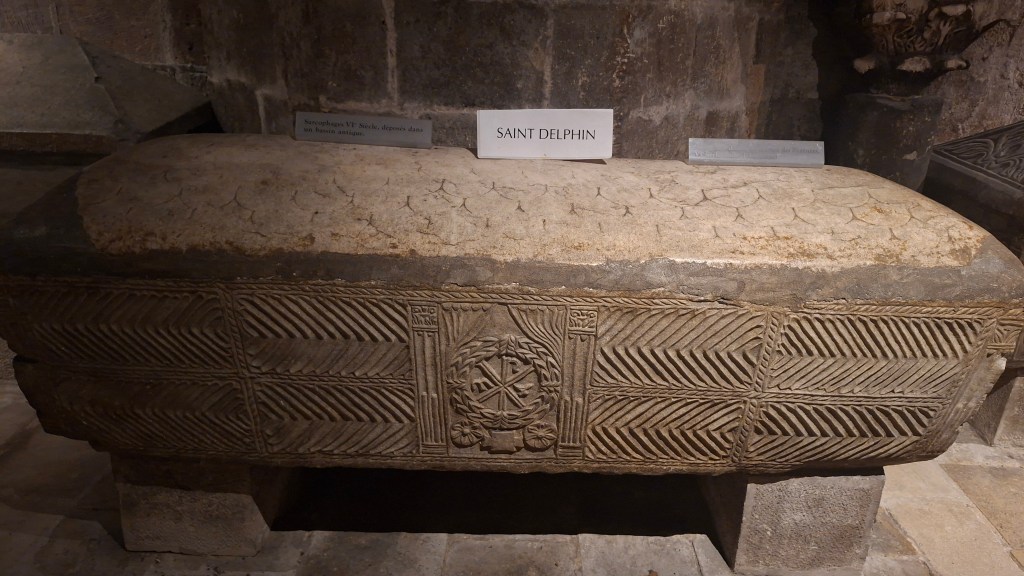
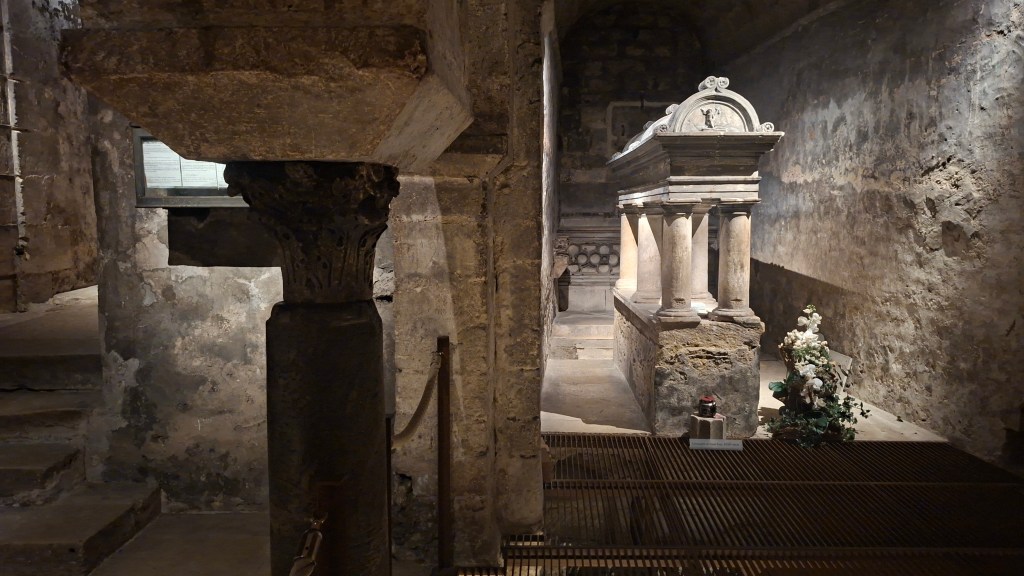
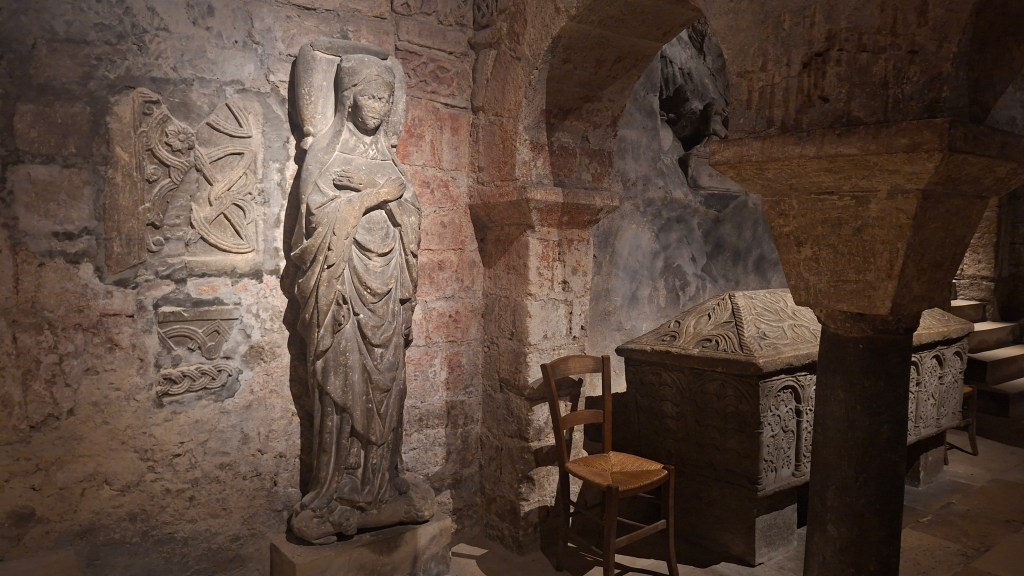
I walk towards the basilica of Saint Seurin, which closes half an hour later, and what a treat that is. It’s so ornately carved, it feels almost like Islamic art. And inside, again, kept dark. The atmosphere is eerie. There are sunken shrines, and most extraordinary of all, the huge crypt full of ancient sarcophagi from the fourth century onwards. The relics of actual saints, they say.
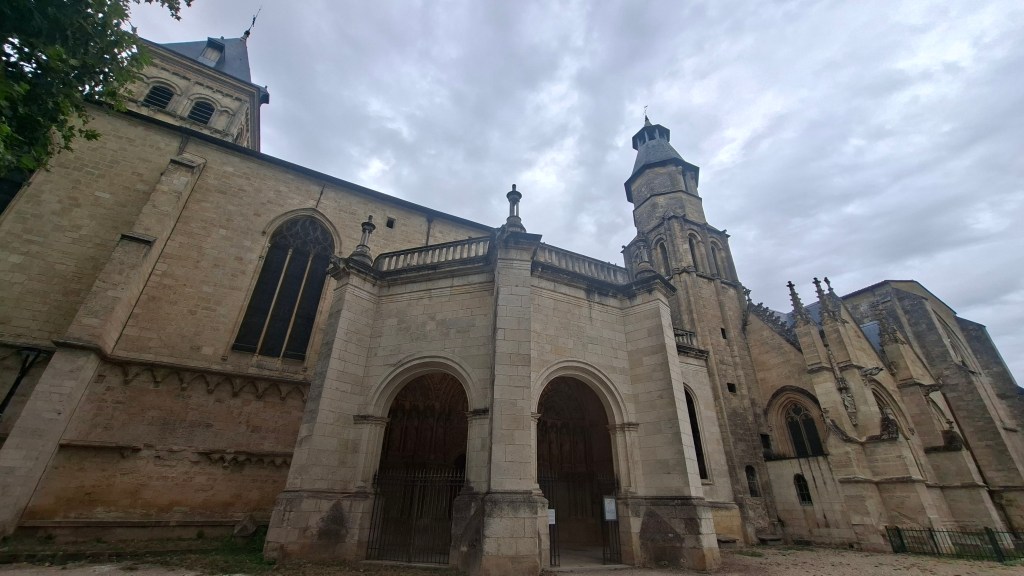
I return to the Maison des Pèlerins, where two other pilgrims are staying the night, both of them just passing through on completion of their walks, only me continuing.


Leave a Reply