Home to Santiago – Day 32
Cartelègue to Arsac: 23km (plus ferry)
Leaving Cartelègue, I’m entering wine country proper. The villages feel more functional, the fields dedicated to grapes. But this is all good for making progress, as are lower temperatures and a grey sky, which I’ve now learned to love.
After a month of walking, I have yet to find the right morning croissant. As I enter a slightly larger village and see the very reassuring sight of a man walking out of it with two baguettes under his arm, I prepare to try once more. The boulangerie is large, the woman serving is unsmiling, and the queue is reassuring. I notice they have croissant maison for 20 cents more than the regular croissants and I think maybe this is it. It is warm. It is buttery. It is gorgeous. I need search no more. But I will.
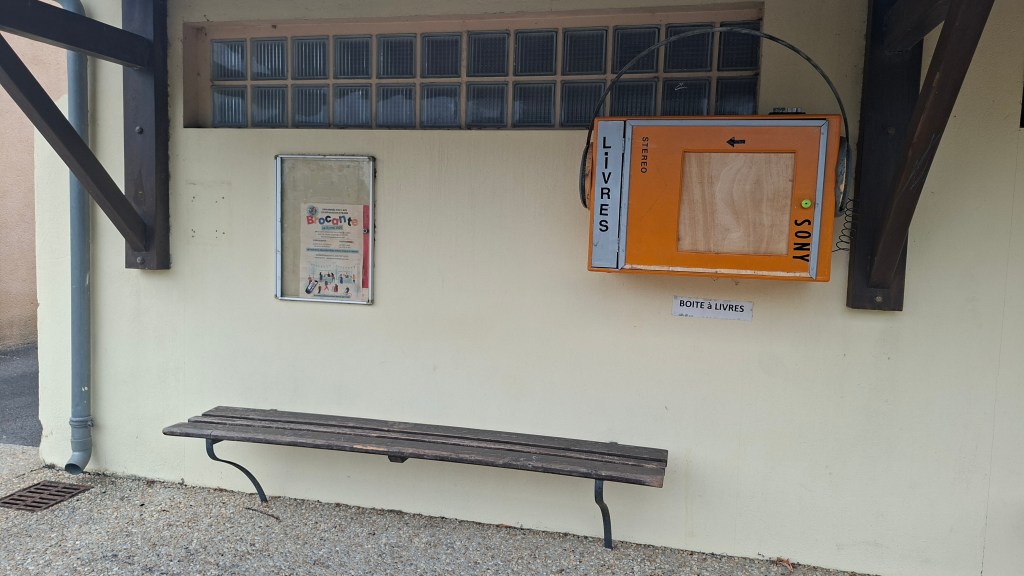
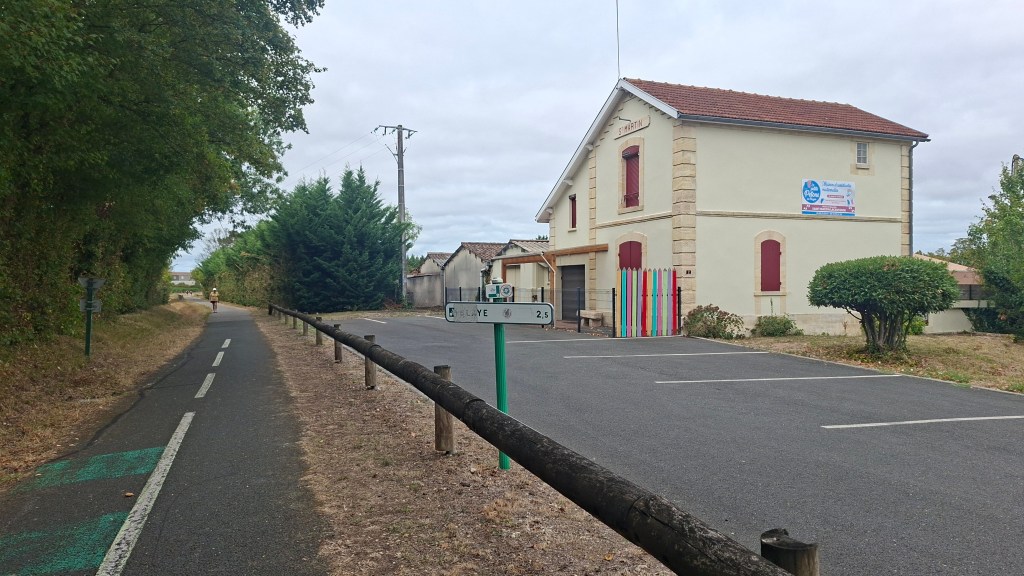
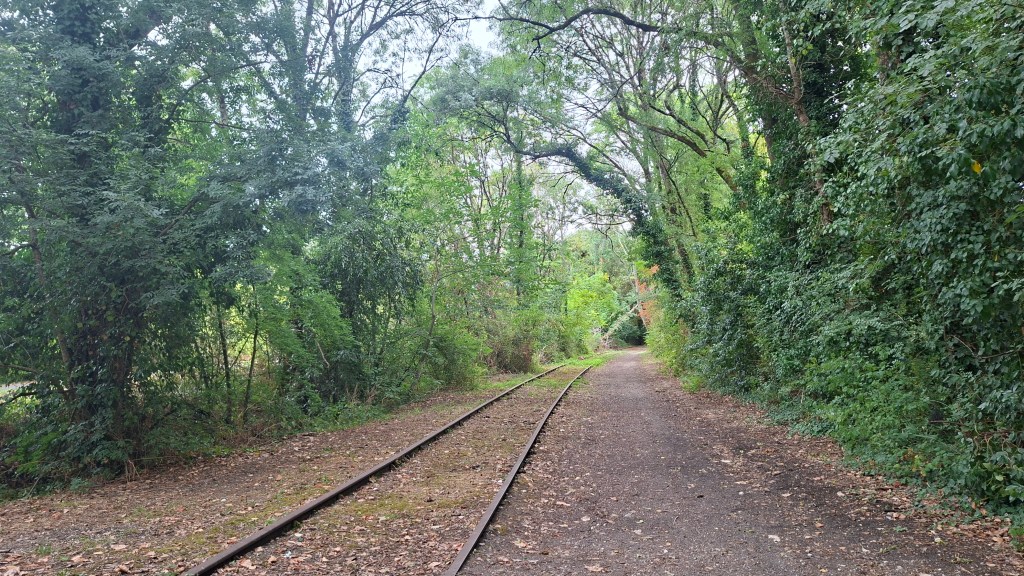
I feel like a bit of a fraud walking into Blaye along the long railway cycle path, only touching on the historic village or historic church-containing village of Saint-Martin de Lacosse. And when I get to Blaye, I feel obliged to visit the citadel, which Mathias enthused about. “It’s a city within a city!”
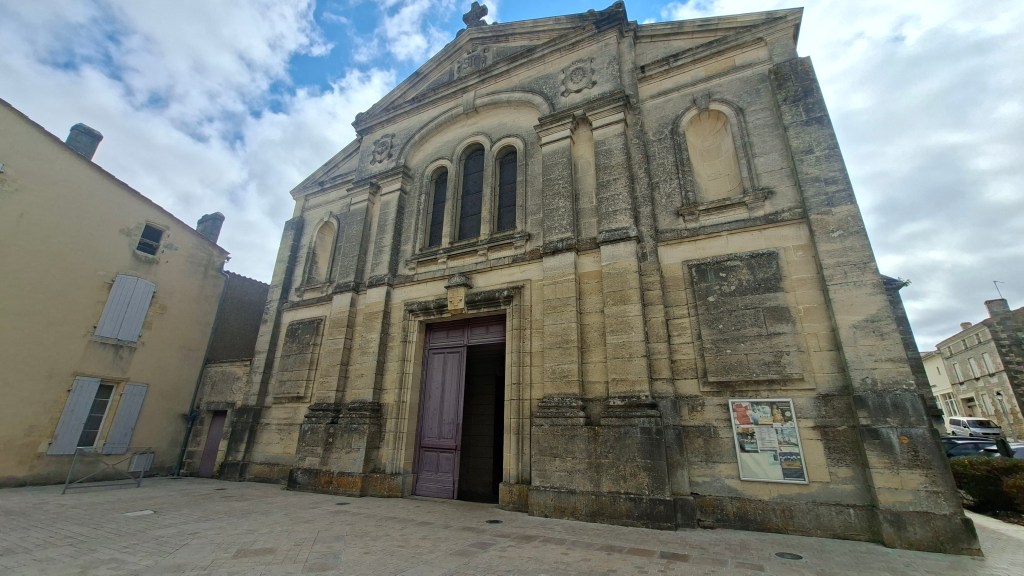
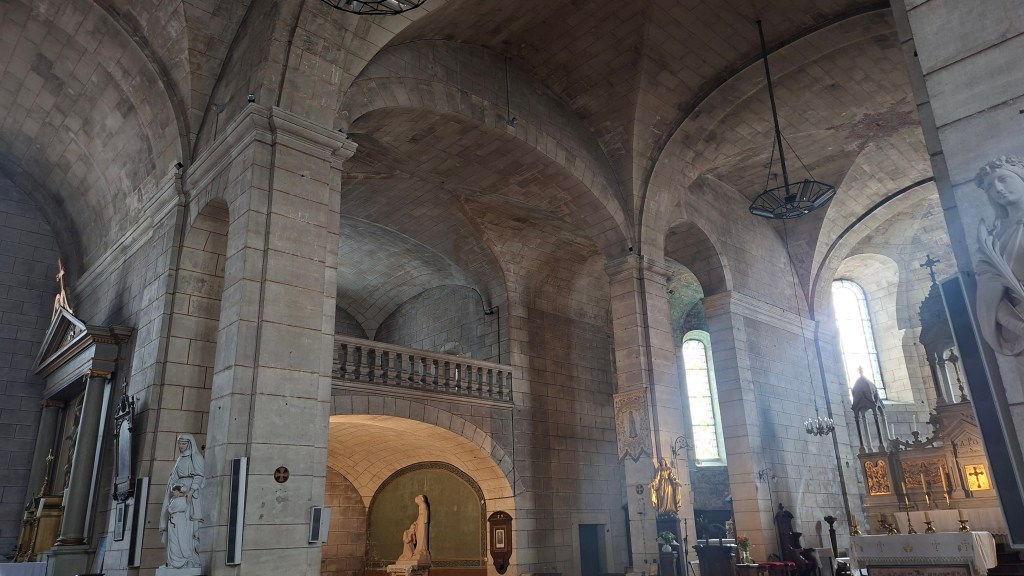
And yet I have no inclination to climb the hill now the sun’s come out. I wander around the lower town, look at the church and try and find somewhere normal to sit down for lunch. And after a slightly disconsolate wander around the back streets, I happen upon the perfect place, Chez Katie. Not listed on Google Maps, a hand-painted sign over the door. A homely place of a woman my age playing music from my era and serving exactly what I want, ham and cheese sandwiches.
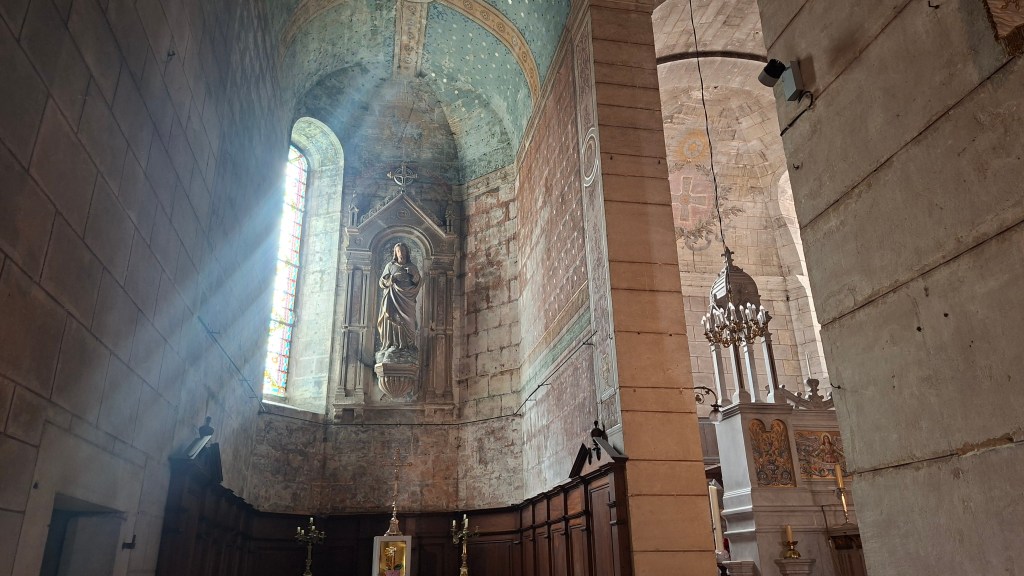
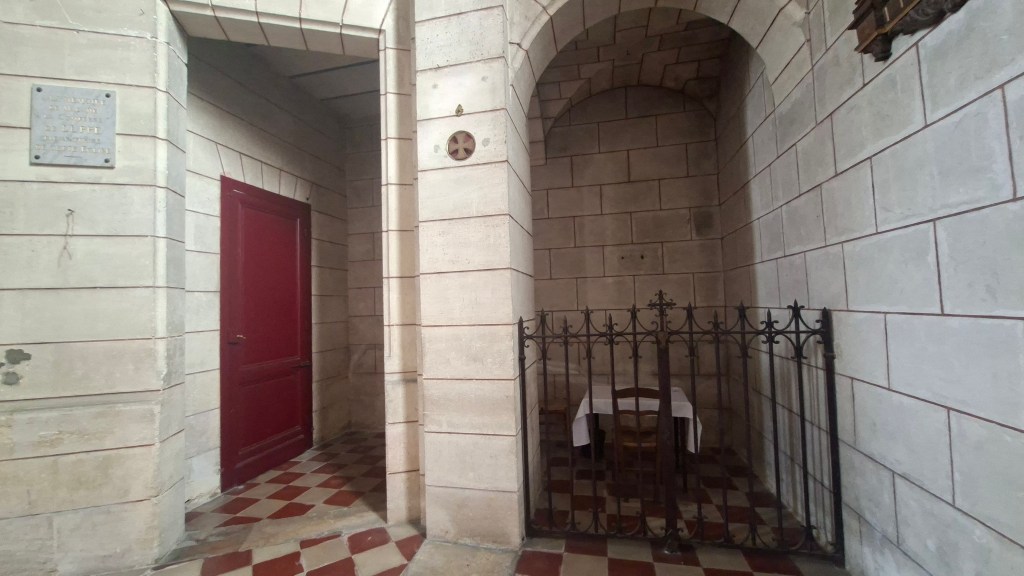
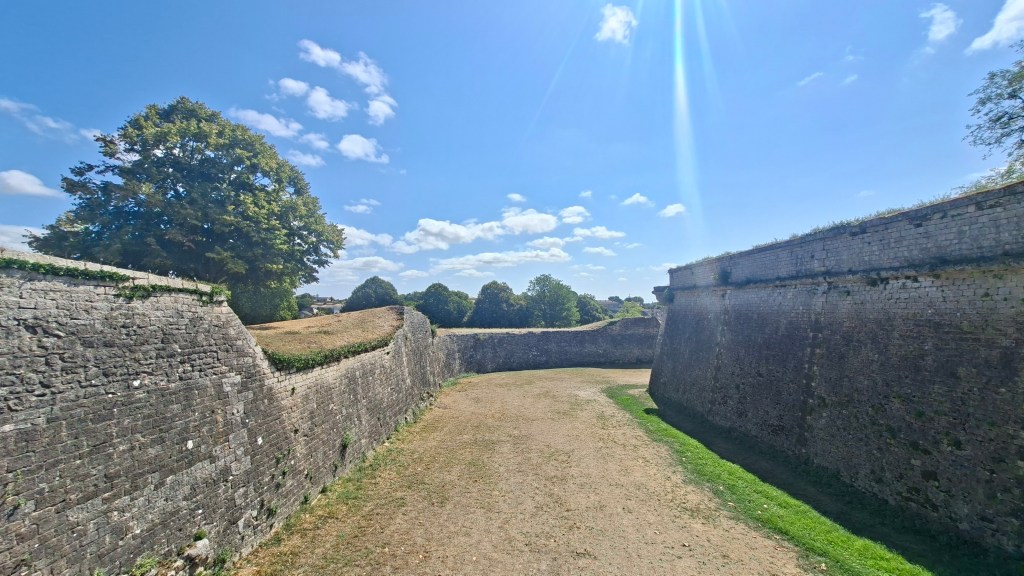
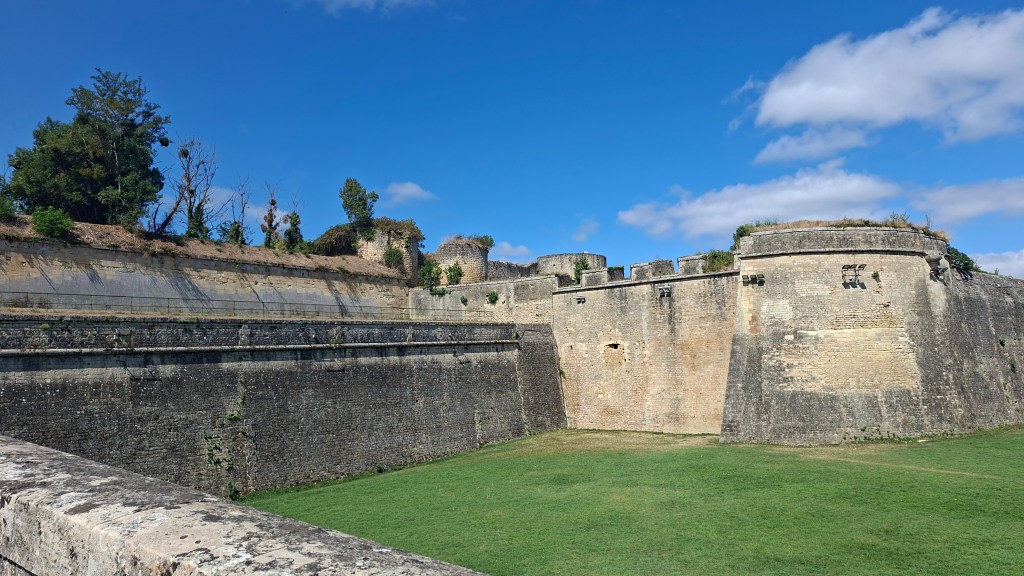
And now, refreshed by the lunch and the place, I shall attack the citadel of Blaye. Although I’m almost immediately mown down by its first defence, the dotto train.
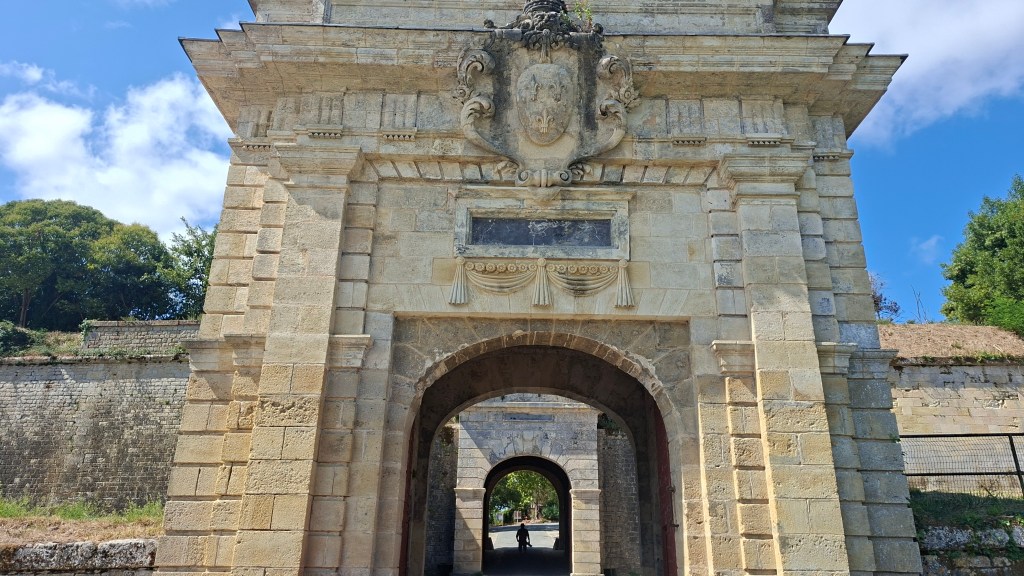
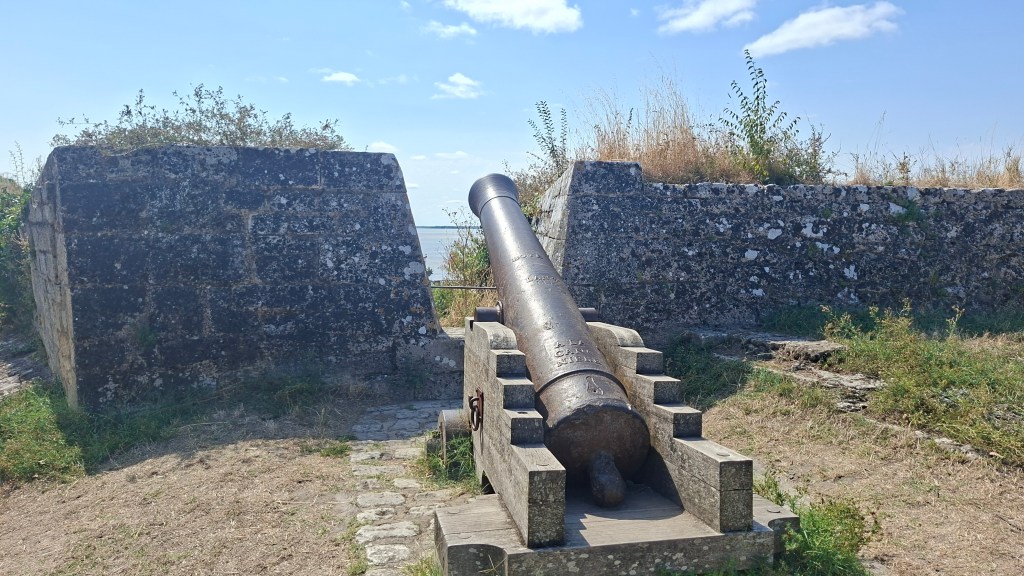
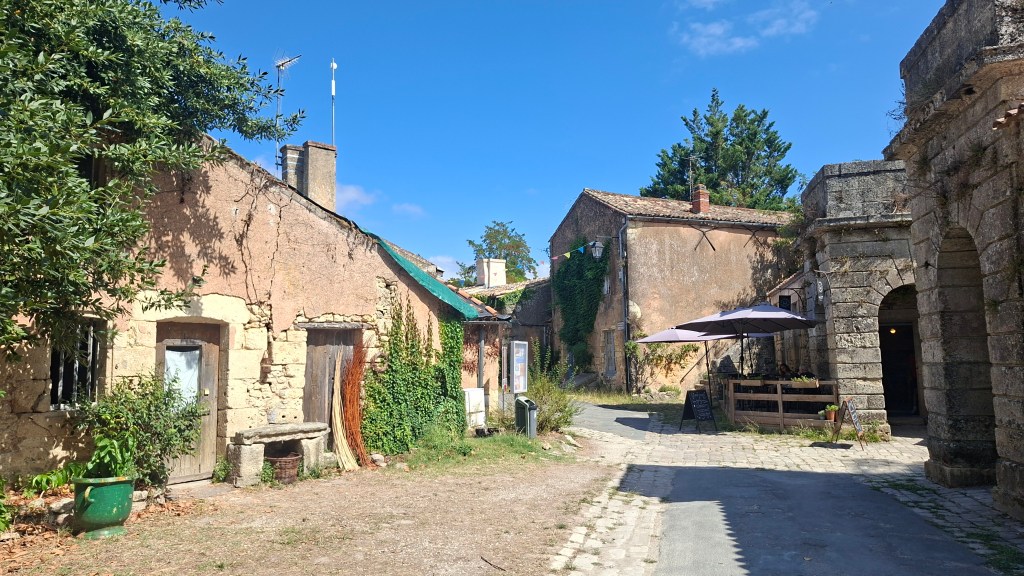
I “do” the citadel and it is a magnificent structure, but it is rather too full of people and restaurants for me to appreciate it fully. This would be a good place to visit out of hours, and when I see the campsite inside the citadel itself, I think what an opportunity camping here would provide to explore it in the dusk or dawn. In the meantime, I have a ferry to catch.
On the ferry every time there is a slight jostle from the current, one car alarm or another goes off, and the drivers stand up on the deck, pointing and clicking their keys at the lower car deck, in case the car alarm is theirs. It felt odd being part of that world, and for 25 minutes I was just as much a part of it as anyone else. I walk around the deck, watching Blaye disappear and the unknown Médoc get closer, and fascinated by the idea on living on one of those huge, uninhabited river islands.
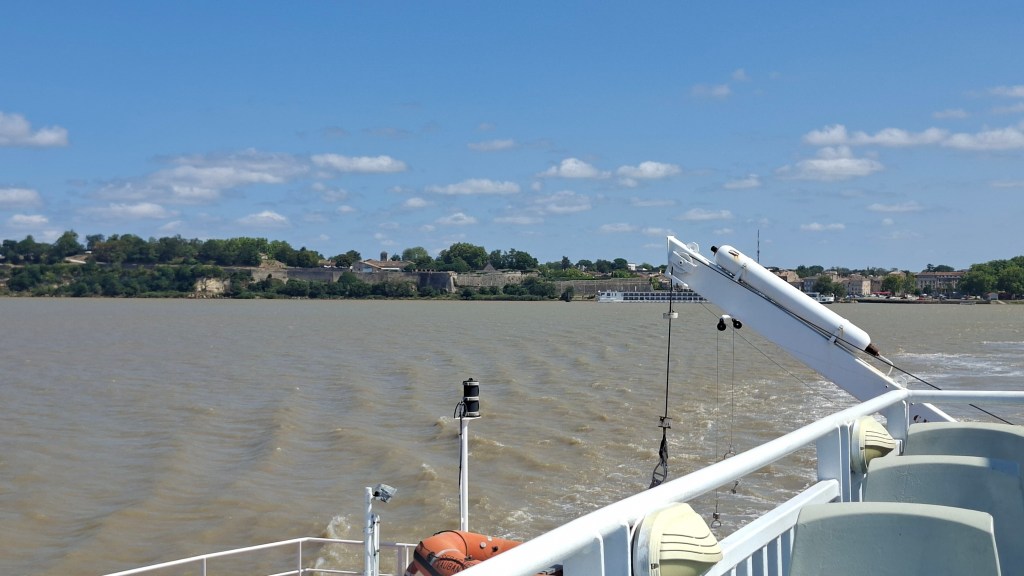
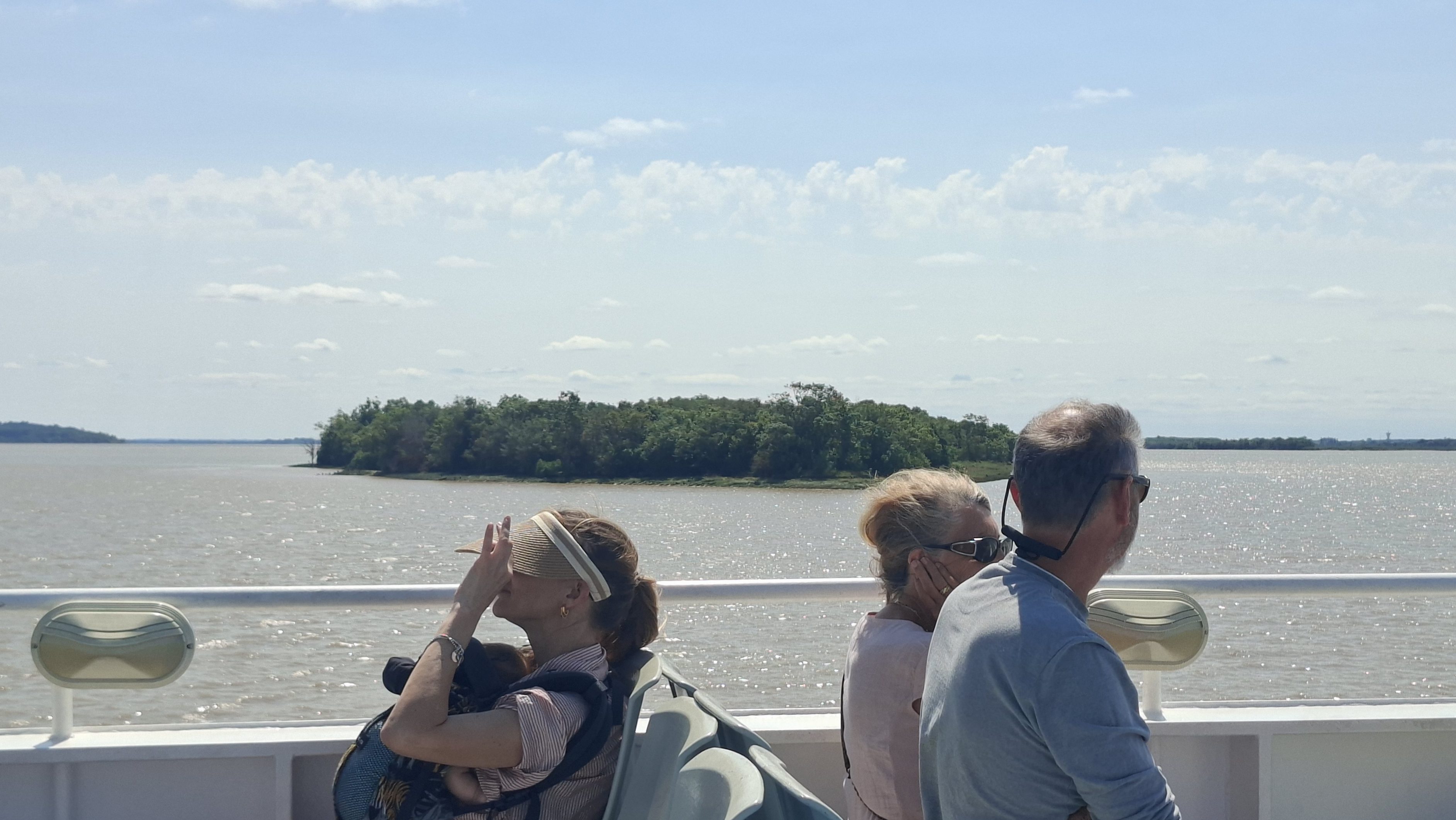
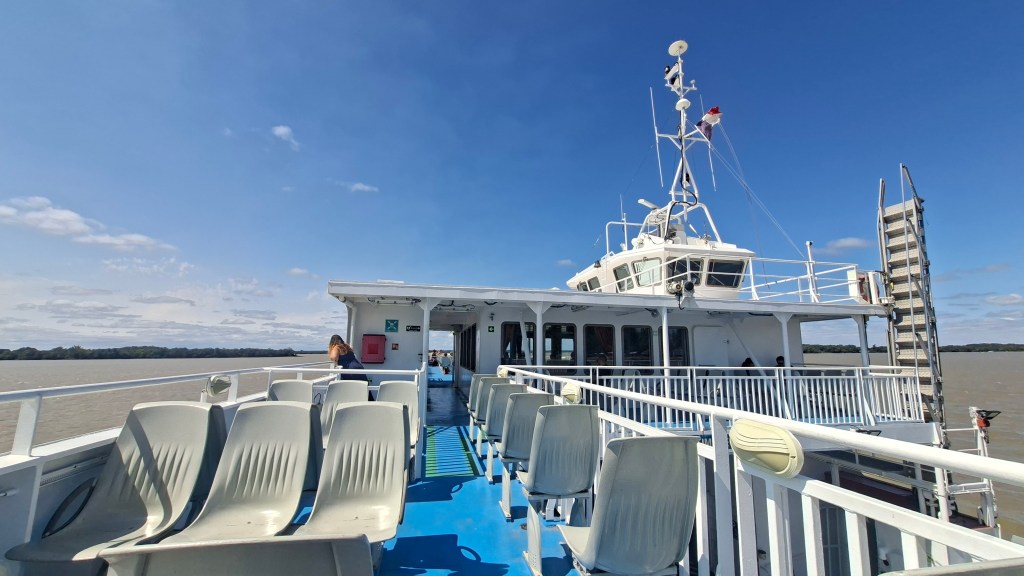
But now here I am, on the far side. Everyone drove off to somewhere, and I have to work out where I am after this sudden interruption of the continuous walk from Dieppe. Rather than walking and slowly seeing the countryside change, I’ve been transplanted into a whole new area. Of course, they grow wine on both sides of the river. It’s all Côte de Bordeaux, but it feels different.
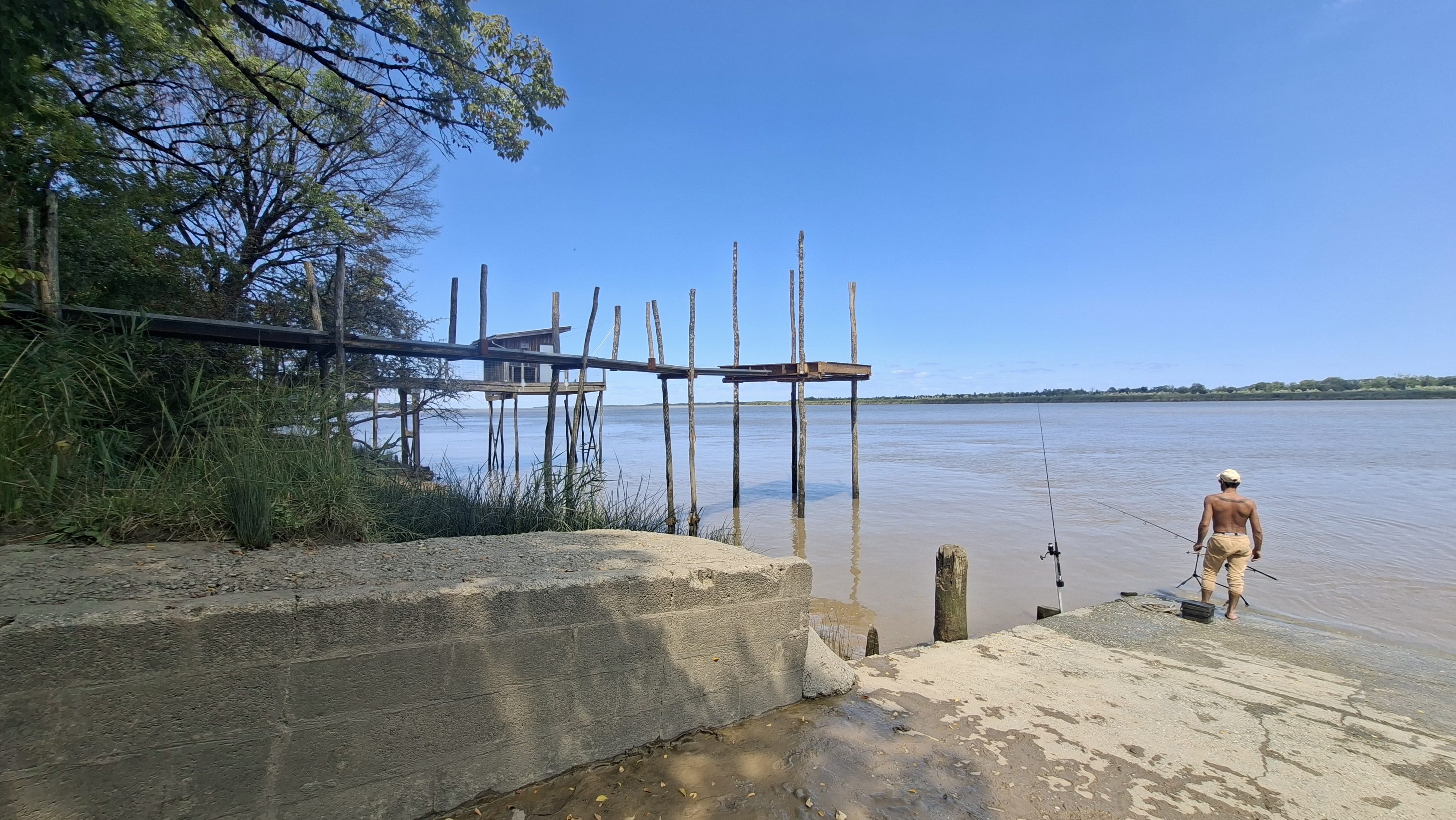
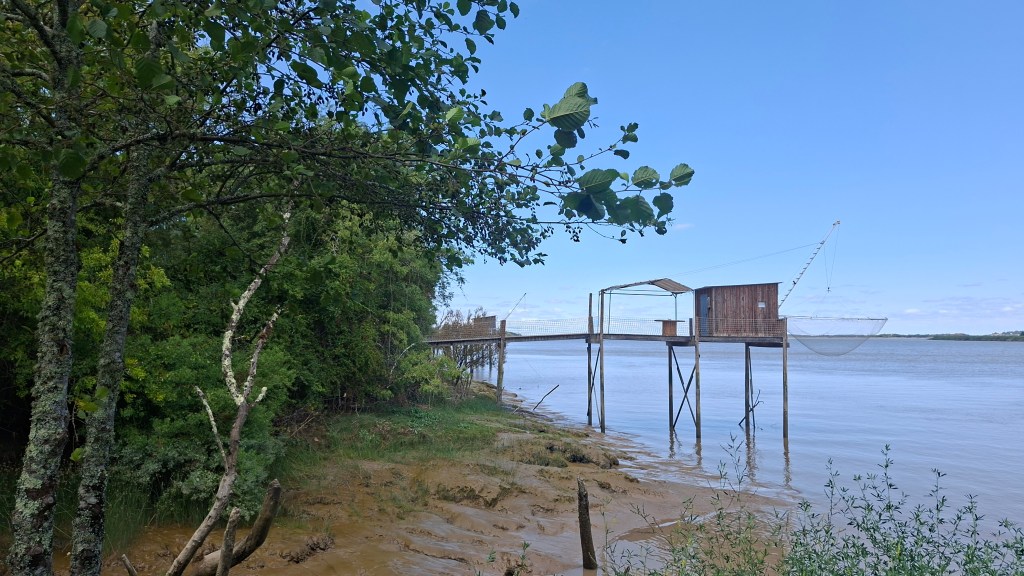
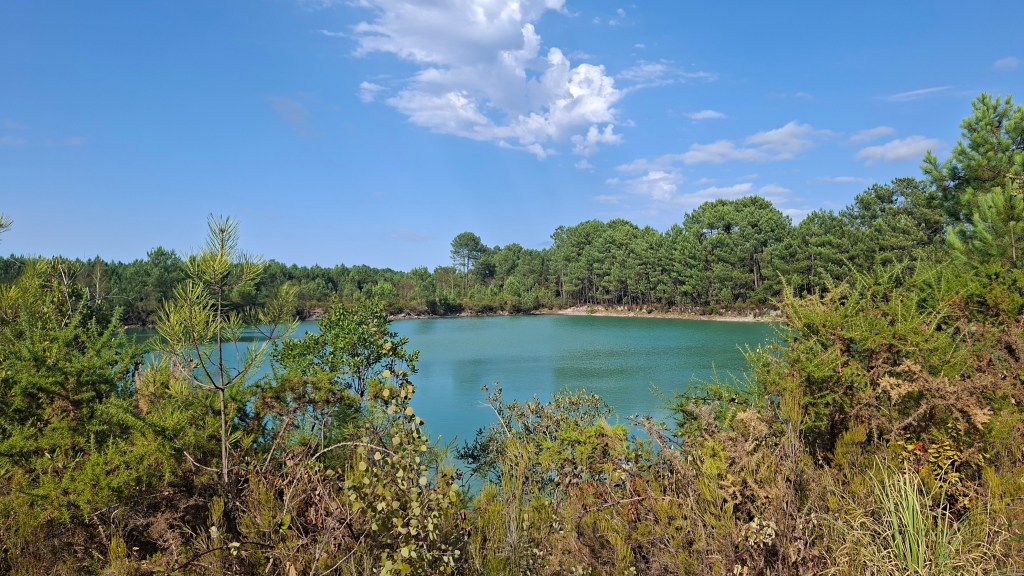
The path follows the river for a while, with occasional access to muddy river beaches and fishing jetties. Otherwise just woods and bushes. Then suddenly I am stopped in my tracks as a family of wild boars runs across the path in front of me. A couple of little ones, then the mother, who turns, looks at me, grunts loudly, and runs on, followed by about eight others. I feel strangely shocked. Wild boars seem like a safari-level animal to me.
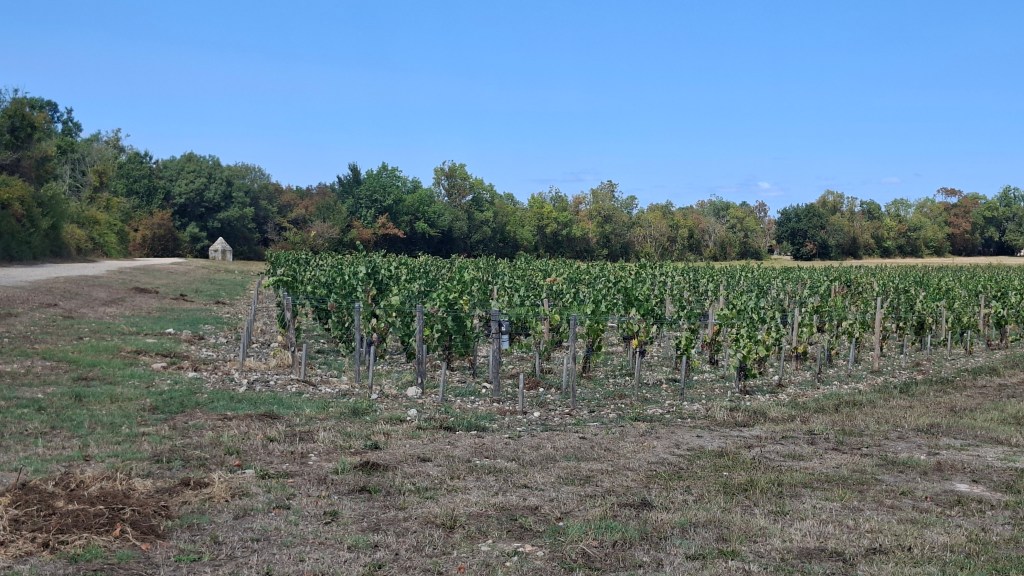
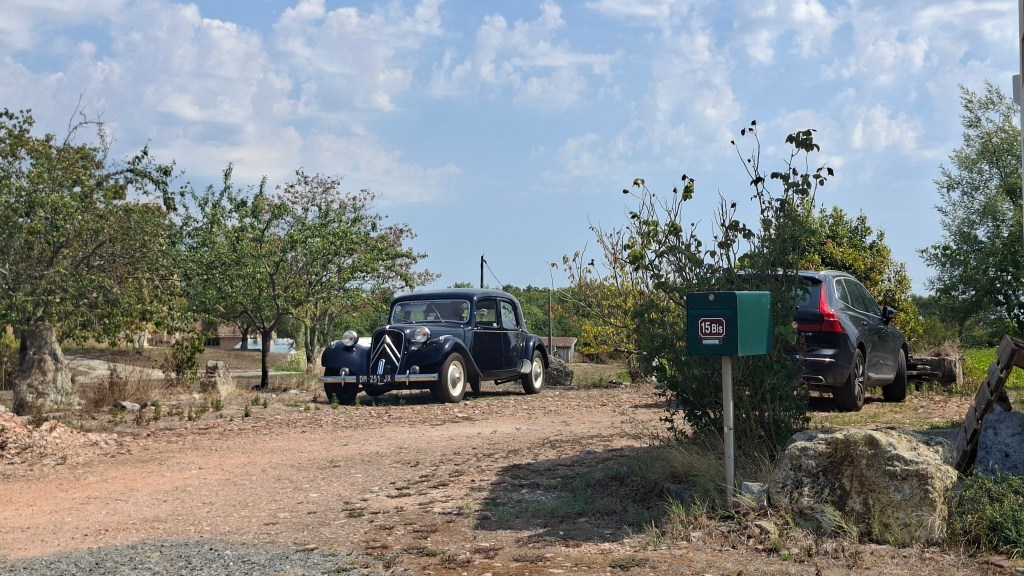
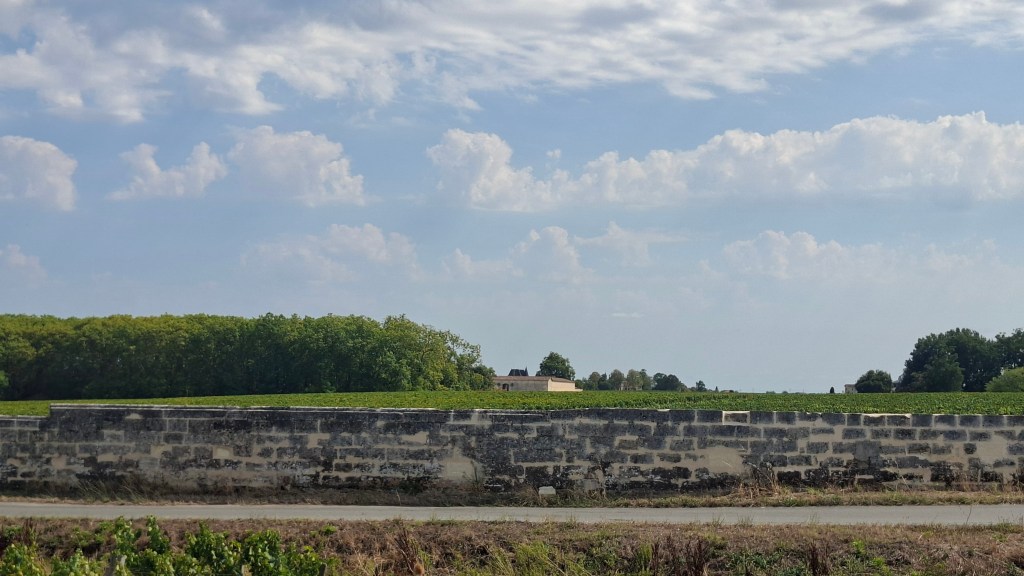
When I reach Margaux, the famous wine village, I take against it. Maybe it’s the discombobulation caused by taking a ferry, but I’m feeling a bit out of sorts today. The problem is, I tell myself, it’s a bit too posh, too many fancy chateaus behind gates, with gravelled drives, too much money going on.
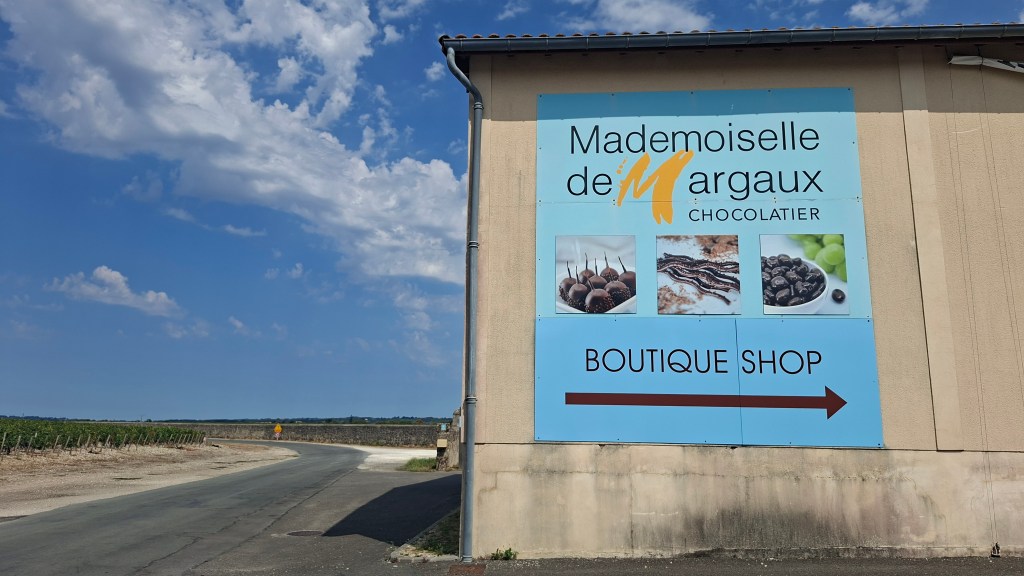
However, I think the real root of the problem lies with all of these information sheets I’ve been seeing since Petit Niort for the alternative route along the other bank of the river. I hate having to make choices. My uncle told us how when they were children, my dad would cut a cake in half and let him choose, and somehow always make him feel he’d chosen badly. This is what my brain does to me. I think Robert Frost also had something to say on the matter, but I prefer the cake analogy.
So I sit down in a bus stop just outside Margaux, symbolically eat a couple of Isles Flottantes, and do a bit of research on the route I have chosen. I am comforted by the fact the ferry crossing is attested to in all the medieval documentation. I guess the real point is you just need to get where you’re going one way or another, and don’t read the leaflets.
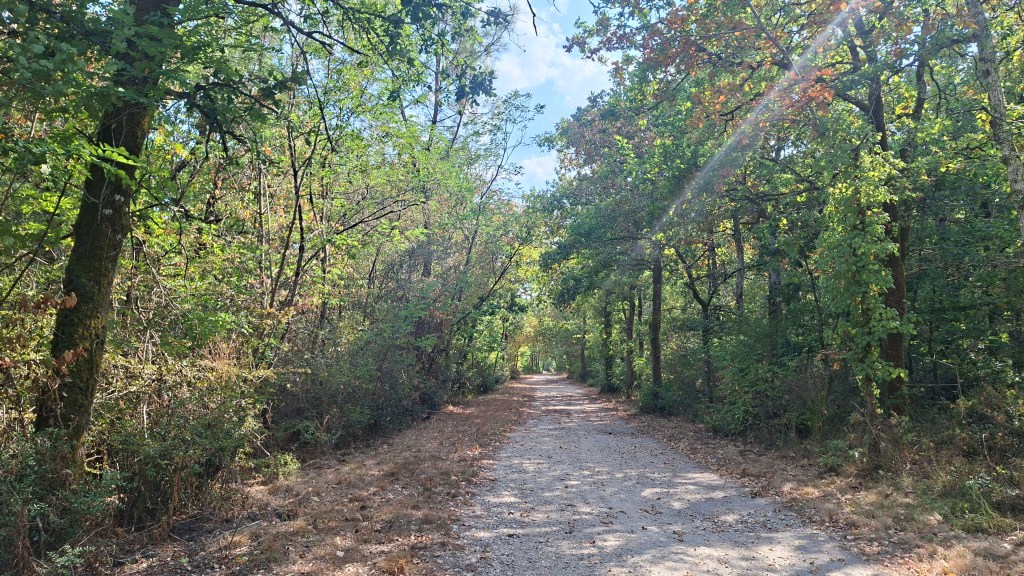
From this point on, the walk is rather pleasant. It’s a sun-dappled forest, although the trees, standing amongst a thick layer of dry brown bracken, do look like a bonfire, ready to be lit.
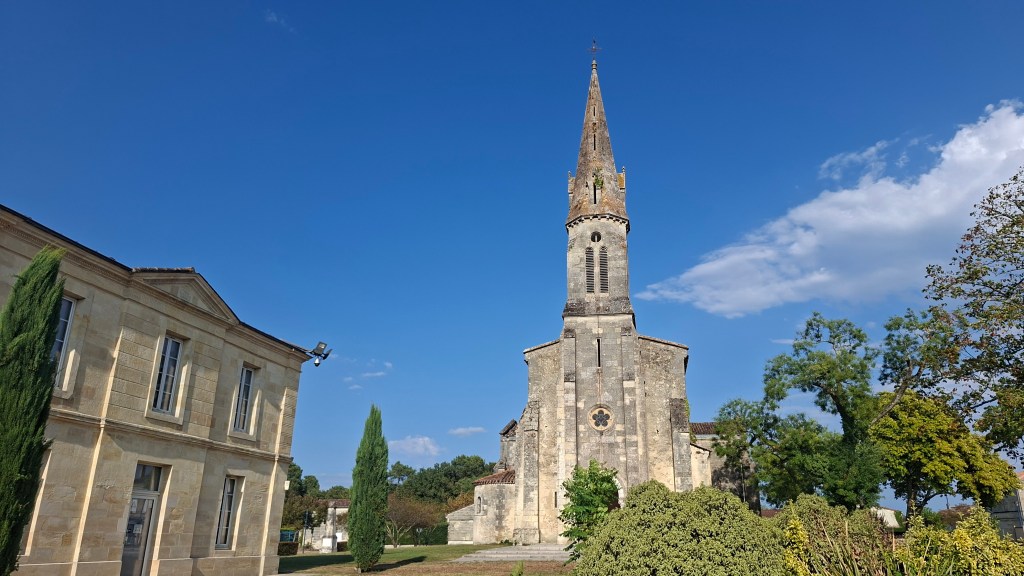
When I get to Arsac, there is indeed a bench in the shade in front of the church, just as I had been promused, and I sit down and wait for my hosts to come. They walk across the green towards me. I have to wait to make sure I don’t wave at strangers, but yes, it’s lovely Brigitte and her husband. His name starts with R, but it’s a name from Brittany, and I will never remember it.
She asks him to get me installed in the car while she goes and gets some cheese, unsuccessfully. And I can see the look of slight horror on his face, or maybe I imagine it. But we drive fifteen minutes to their house in neighbouring Macau, where I’m shown to my room and the study with my bed in it, and I’m left to relax and become human.
Dinner in the kitchen with the family is the usual struggle at first, but as always, rather lovely by the end. The two sons are there, also with Breton names, which I cannot catch. The one son, a scientist like his father, but chatty like his mum. The other, an artist, but very much quiet like his father.
The scientist son talks about his studies, which he’s just finished. He’s looking for a job in the world of environmental protection. I ask him if it’s easy to find work in that area around here. He tells me, “well, I may have to diversify, but what I find I’m really good at is measuring things, and I don’t think it really matters what I measure”. This is an excellent answer, partly because I understand it.
For dinner we have cheese and membrillo. Brigitte is half Spanish and a Spanish teacher, which will come in useful later. This is followed by vegetables, chicken and potatoes sarladaise. It’s all delicious, but the potatoes I have to get a picture of in the cookbook, as I need to find someone who cooks to reproduce this some day. And for dessert, a peach and nectarine pie, all homemade.
I’m full and happy by the time I retire, and now I realise there really was no choice of path. The path was the one that led me here.


Leave a Reply