Shikoku 88 Temples -Day 21
Katsuura to Byodo-ji (Temples 20-22): 19km
This morning Google Translate does its worst.
At breakfast there is a huge plate with no breakfast fish on it. Sausage, egg, all the nice Japanese stuff, natto, of course. I do my usual trick of eating all the healthy things I don’t like so much first, saving a bit of sausage and egg and a beautiful yoghurt for the end.
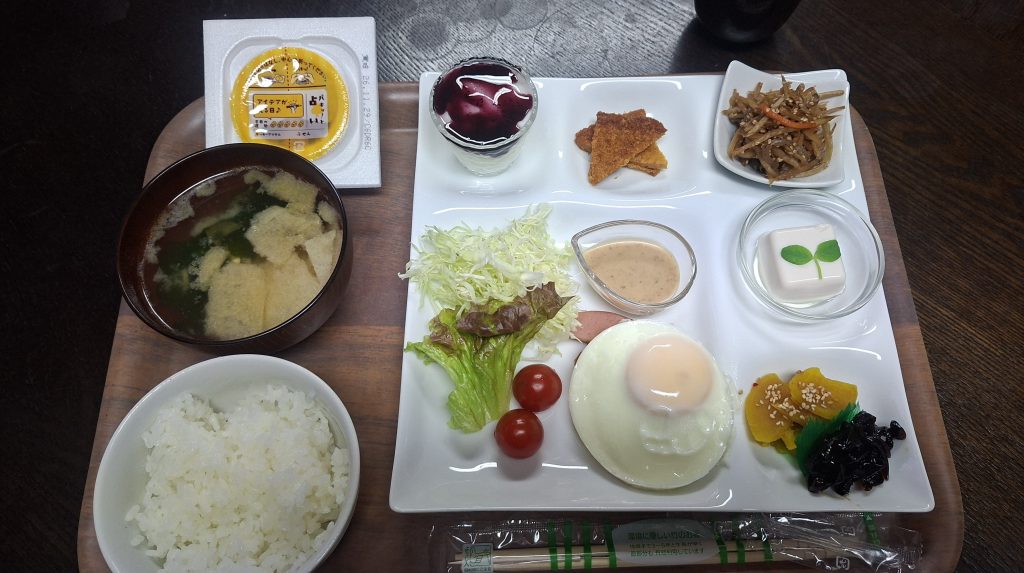
When Hiroshi asks for and gets a cup of coffee, our hostess sees my face light up. Do you want coffee too? It is a dream breakfast.
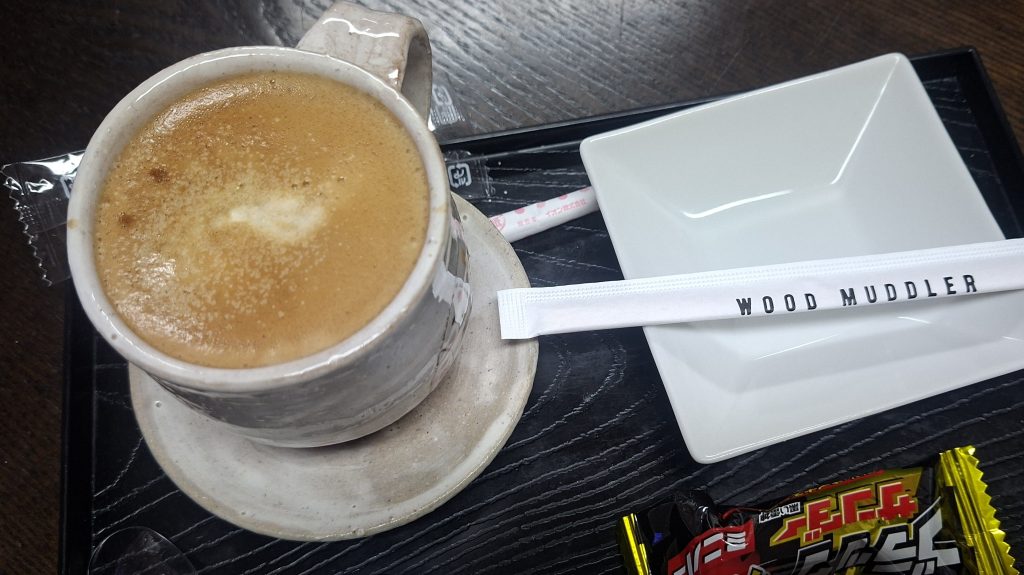
But as she brings my coffee, she whisks away my remaining breakfast. In vain I try to stop her. All my favourite things are disappearing in front of me. There are no shops in the hills today. I shall starve! In desperation, I quickly dictate to Google Translate and show her my plea to keep the food. She reads it, laughs, and my the sausage and egg are gone forever. I can only imagine what Google Translate told her. I feel it has turned against me.
She does at least bring back the lovely yoghurt, horrified that I could waste such a thing. She’s not half as horrified as I am.
I tell her about my washing still being unwashed in the machine. I realise too late that Google Translate was unable to cope with the Japanese sentences not including the person doing the action, if it is generally understood. It had translated her instructions: “Leave washing in machine. Will do it for you. Just press button” as “Leave your washing in the machine. I will do it for you. I just press a button”.
Next she tries very hard to explain about baggage delivery. I just give in and let her arrange to send my backpack ahead. I need the rest of the day to be easy.
I go to repack and she tells me to take my time. She has to do something. She speaks into her phone to explain, and leaves me with the message:
“Okay, now I go play hide and seek.”
Google Translate is a false friend.
It’s a delicious walk up to Temple 20 without a backpack. I’d better not get a taste for it. Perhaps I already have. After having my breakfast stolen, I need some recompense.
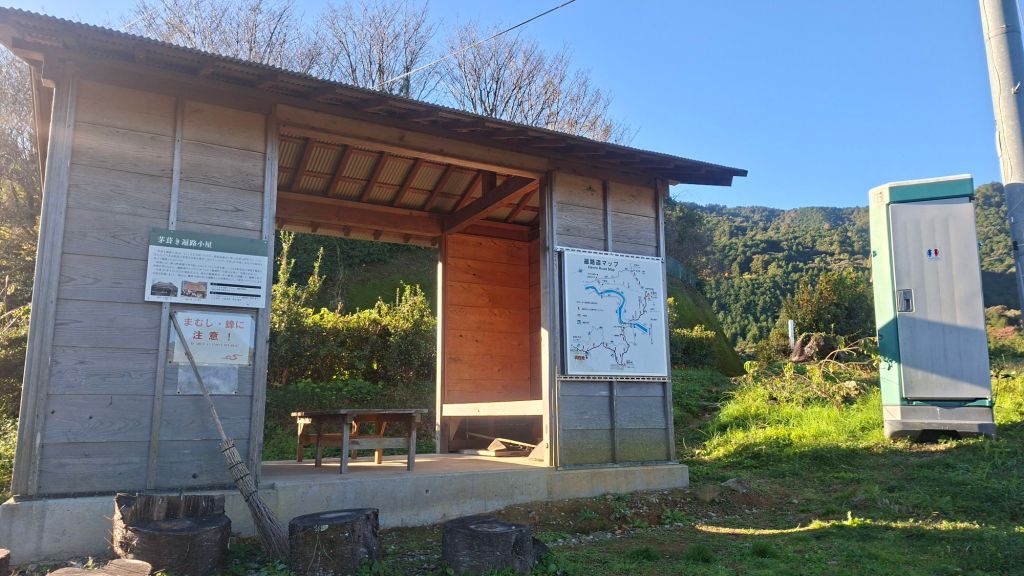
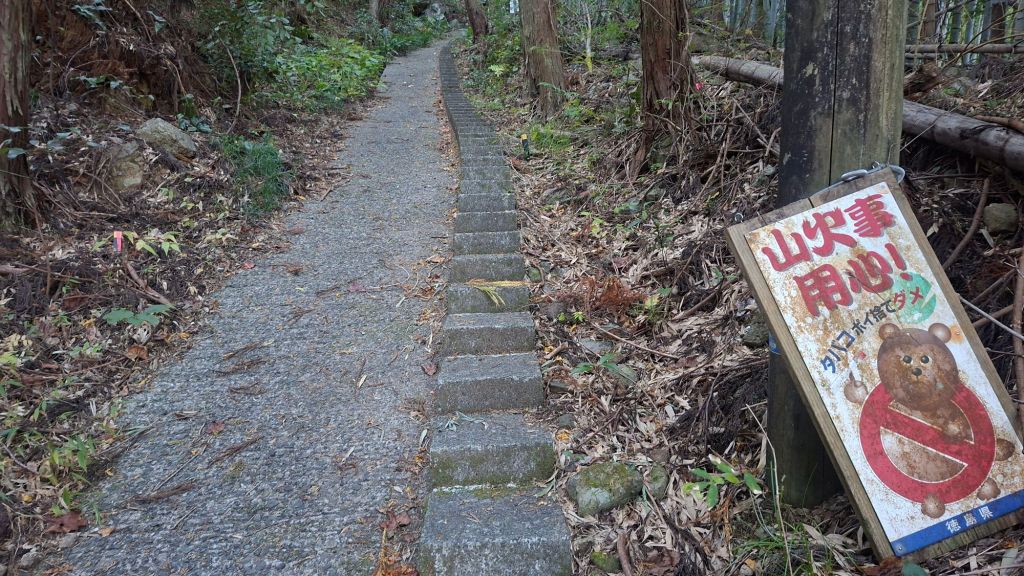
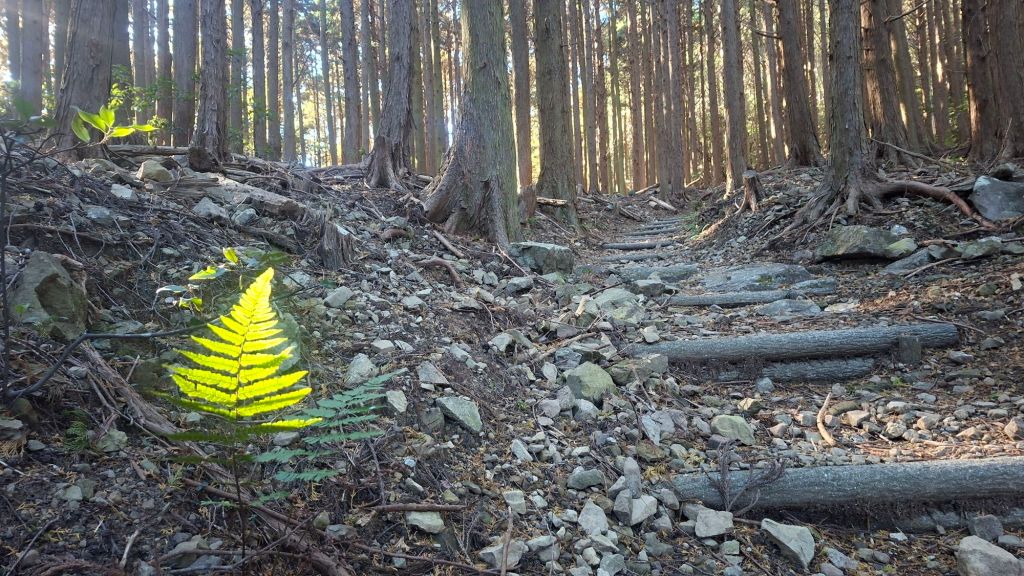
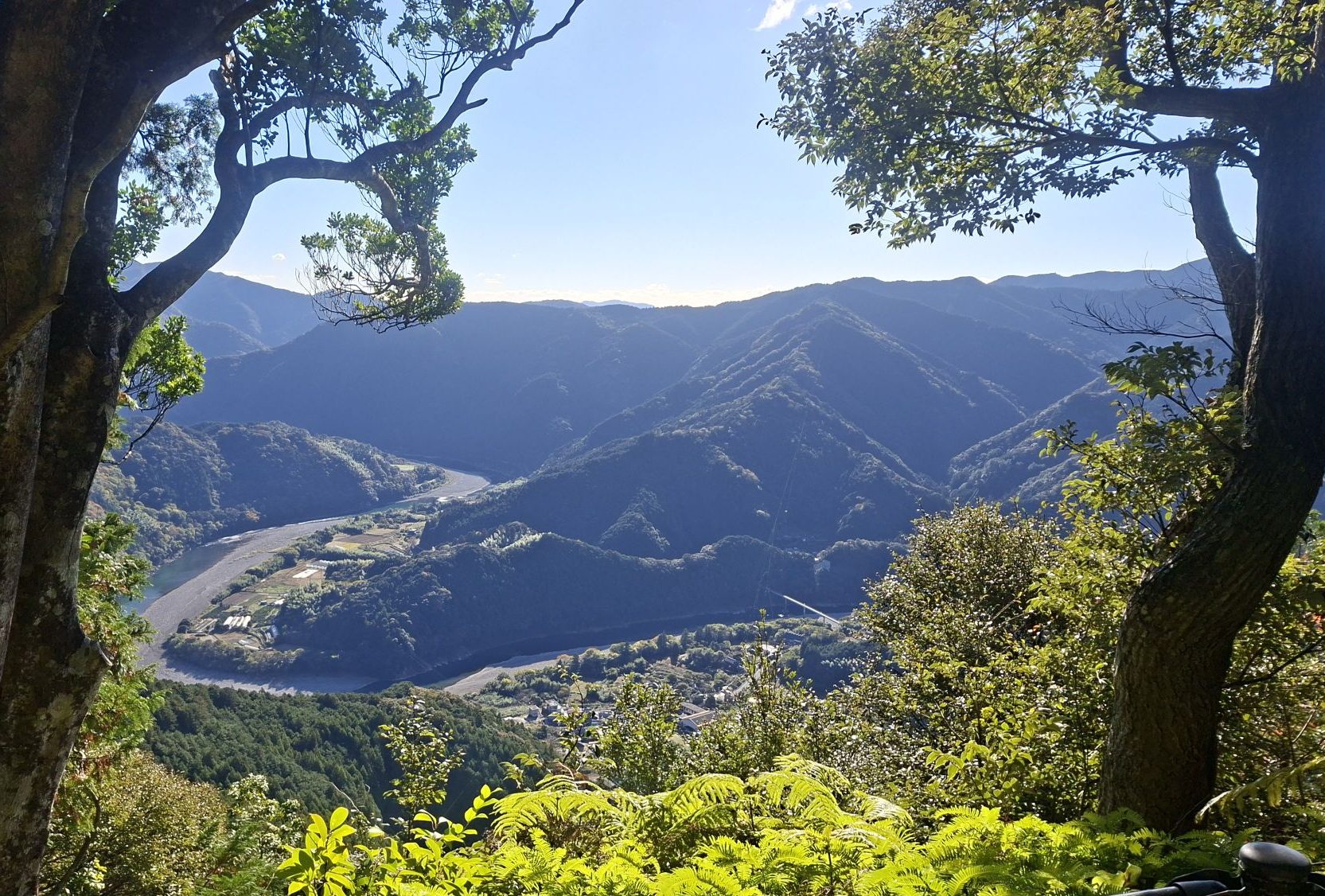
At the top of the first mountain, by the gates to the temple, I meet Eva and Agne outside the loo. They have walked up with their rucksacks. Aren’t you cold? they say, as I am, at this point, in my T-shirt. It is freezing cold, but how they manage to walk up in all their gear and not get warm, I do not know. They must have a completely different body cooling system to me.
I meet some Taiwanese visitors as I go through the temple gate. Temple 20 is quite full of people of all different nationalities. It’s strange that these most difficult-to-reach temples, up in the mountains, are the ones which get the most visitors nowadays, as there’s usually a car park a short walk away. It’s the little temple complexes on the edges of busy cities that tend to be the ones where you are more likely to be completely alone, with the feeling you are entering a different world.
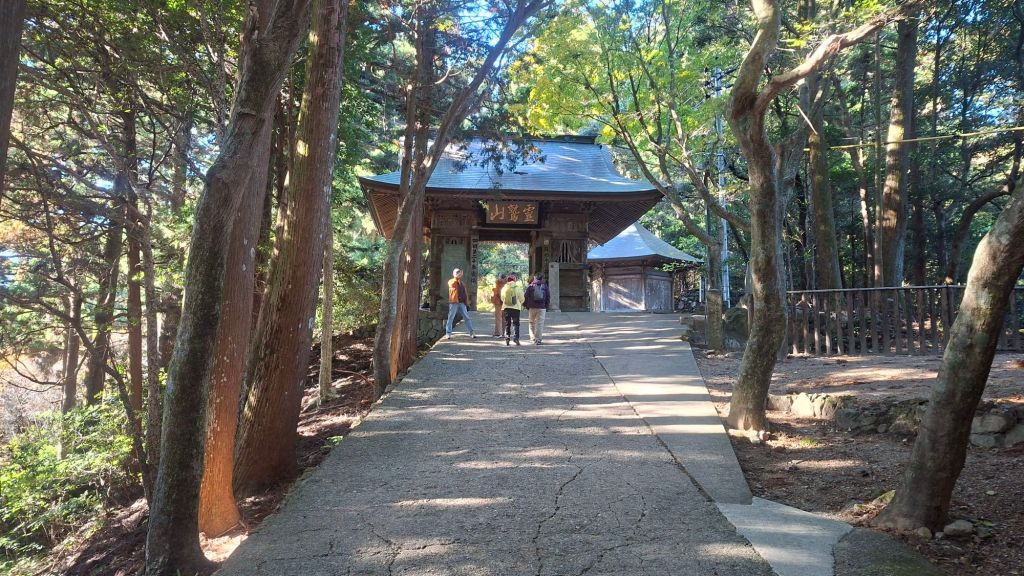
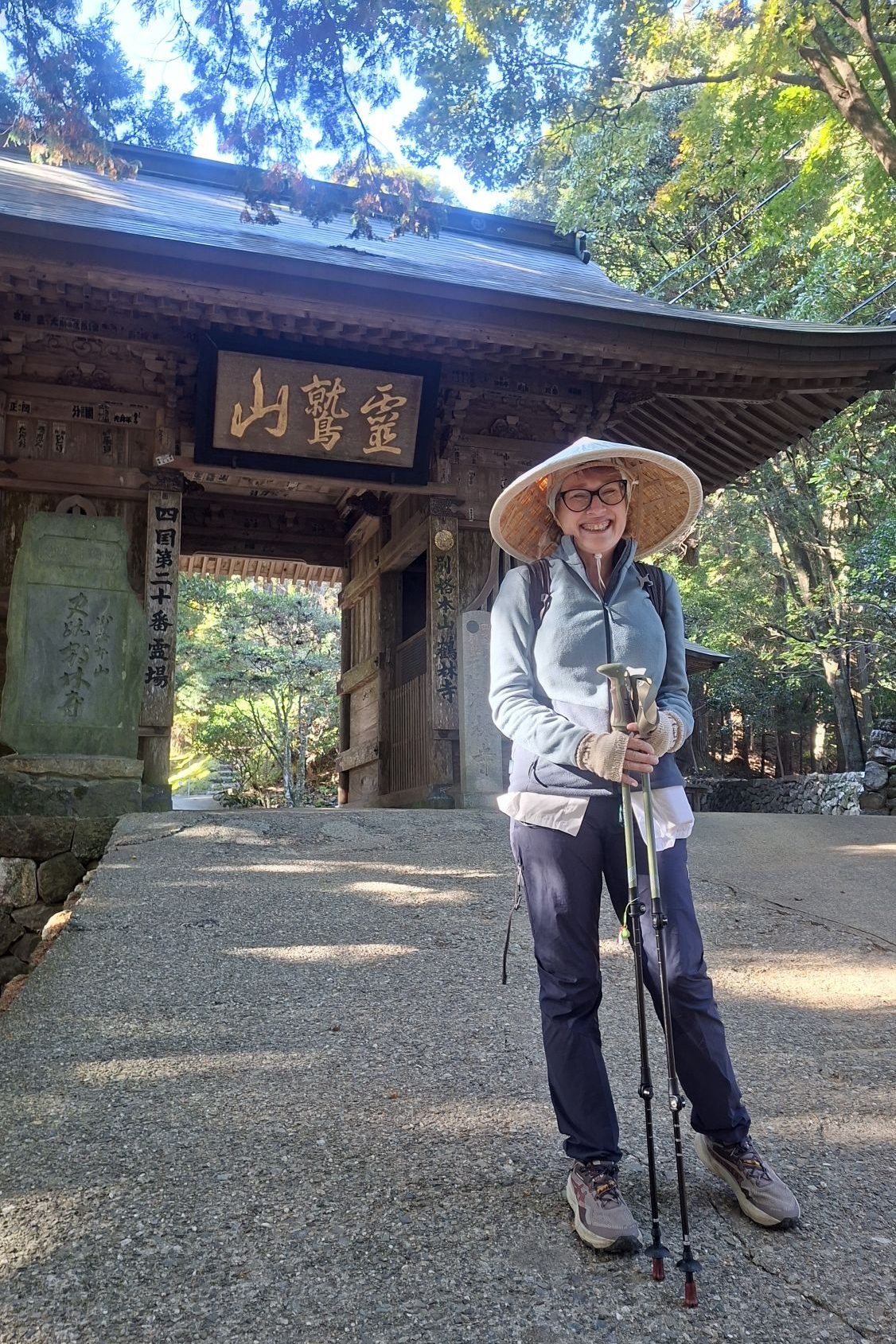
That said, Temple 20 is an absolute beauty of red leaves and mountain landscapes. Worth the hike up and worth the sacrifice of my knees on the way down, I’m sure.
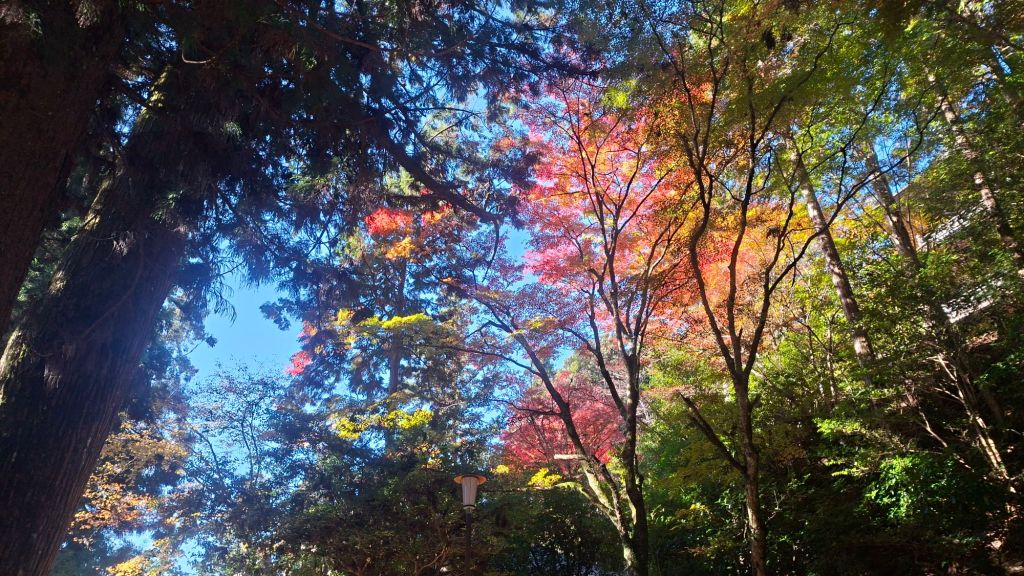
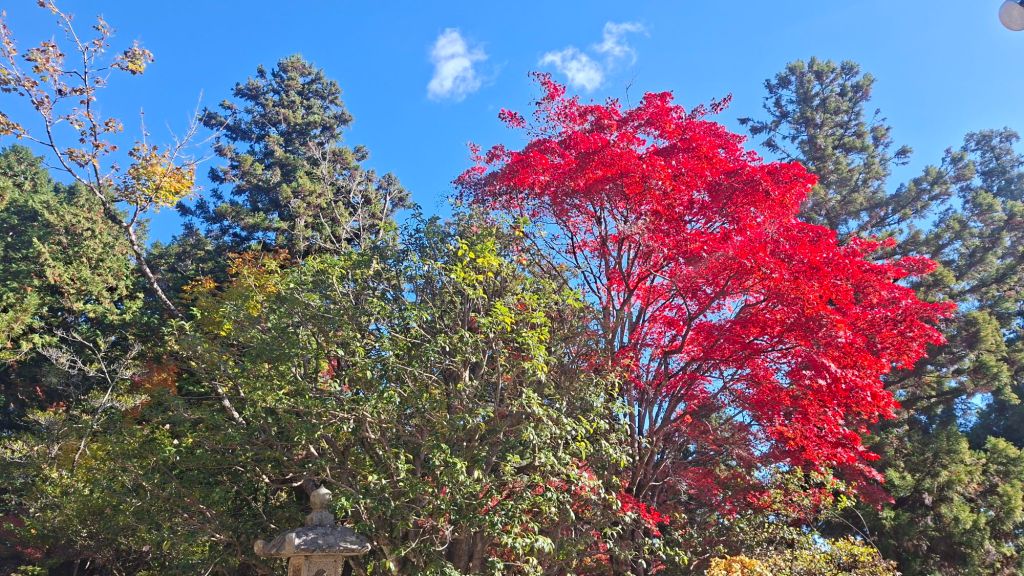
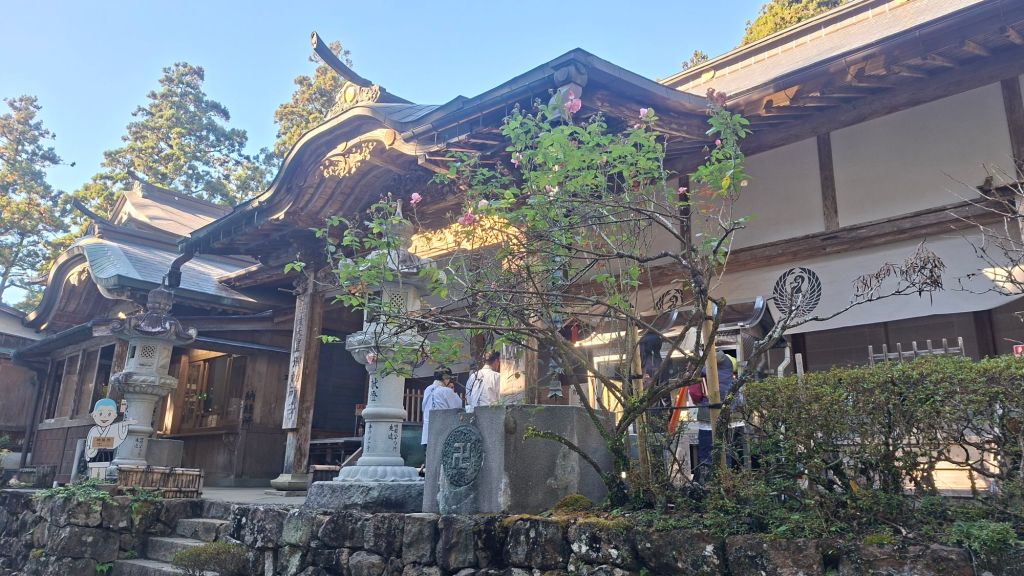
It’s a frustrating all the way down and all the way up to Temple 21. I wonder why they don’t build ropeways between mountaintops.
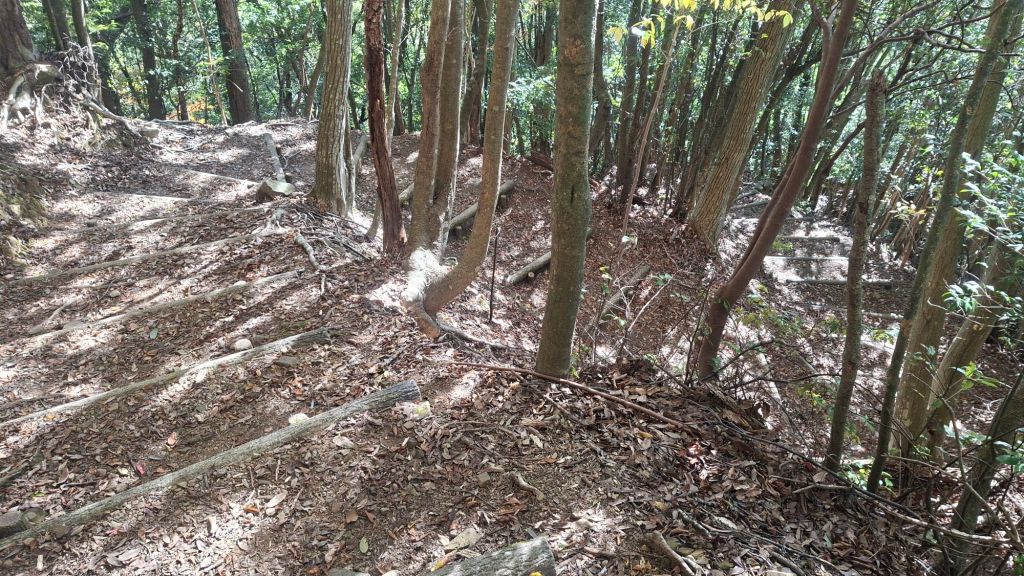
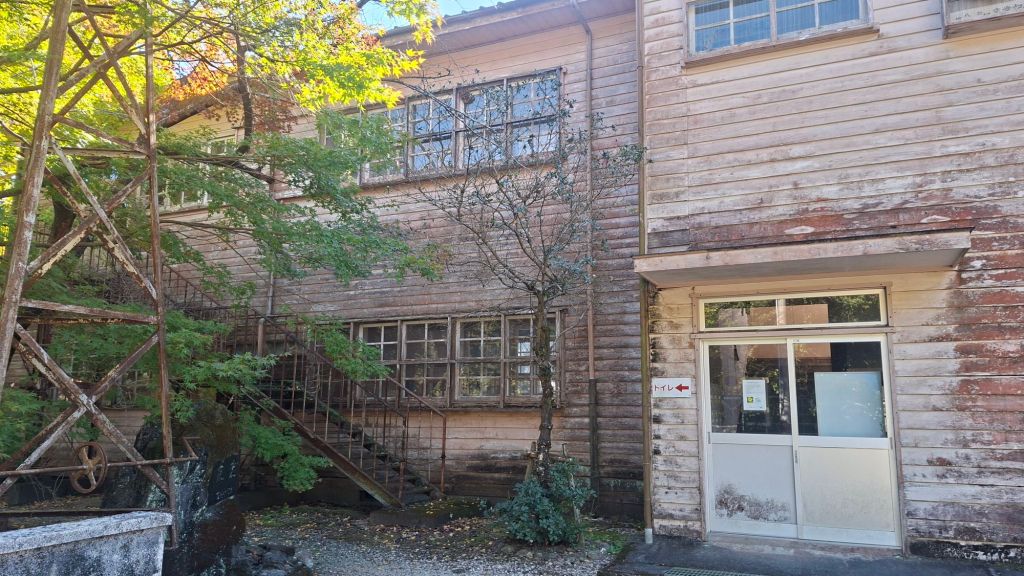
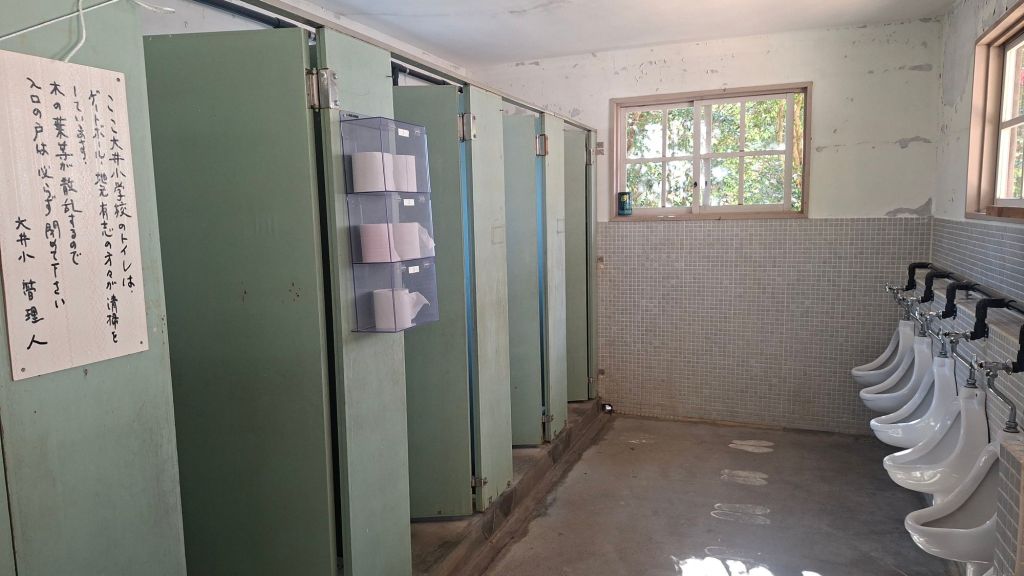
At the very bottom of the steep path down, there are toilets in what appears to be an old abandoned school. (It is pointed out to me later that it is not abandoned, it’s Saturday). For the first time, I see a picture sign saying to take your temple neckpiece off as this is an unclean place. Luckily, I already knew this rule due to my meticulous Japanese toilet research, but I worry about all those foreign pilgrims who may be defiling their neckpieces daily for want of a picture sign like this.
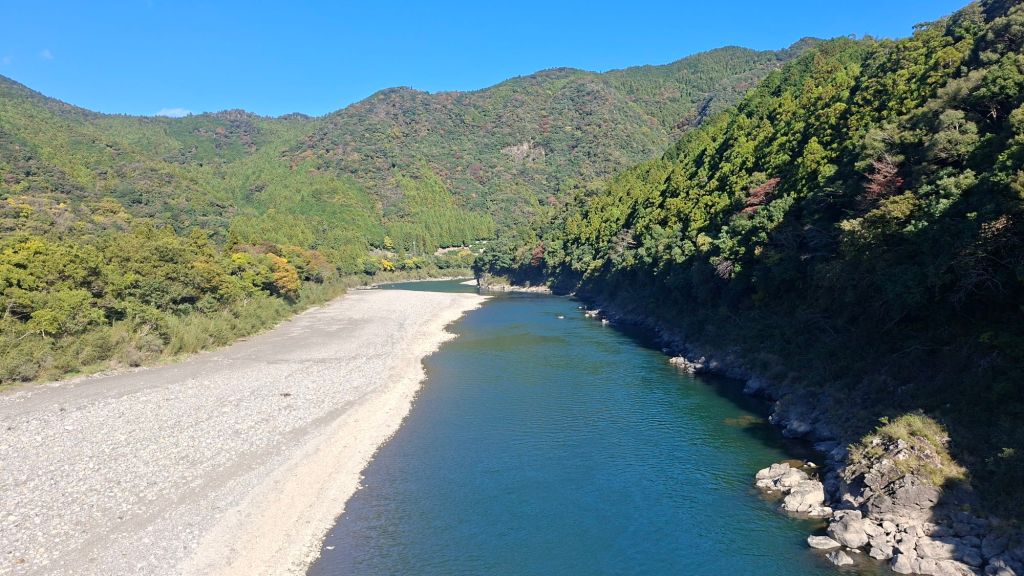
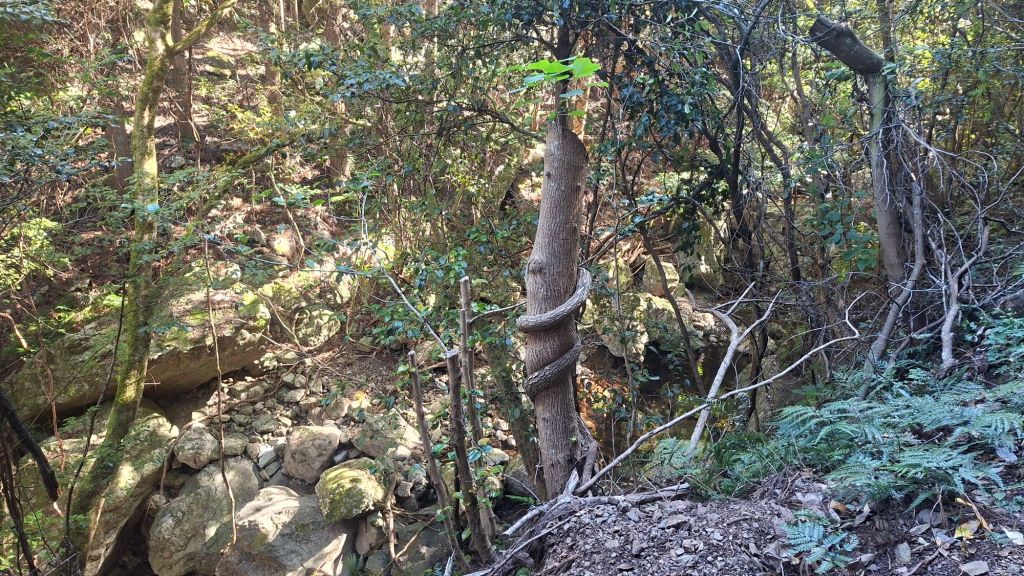
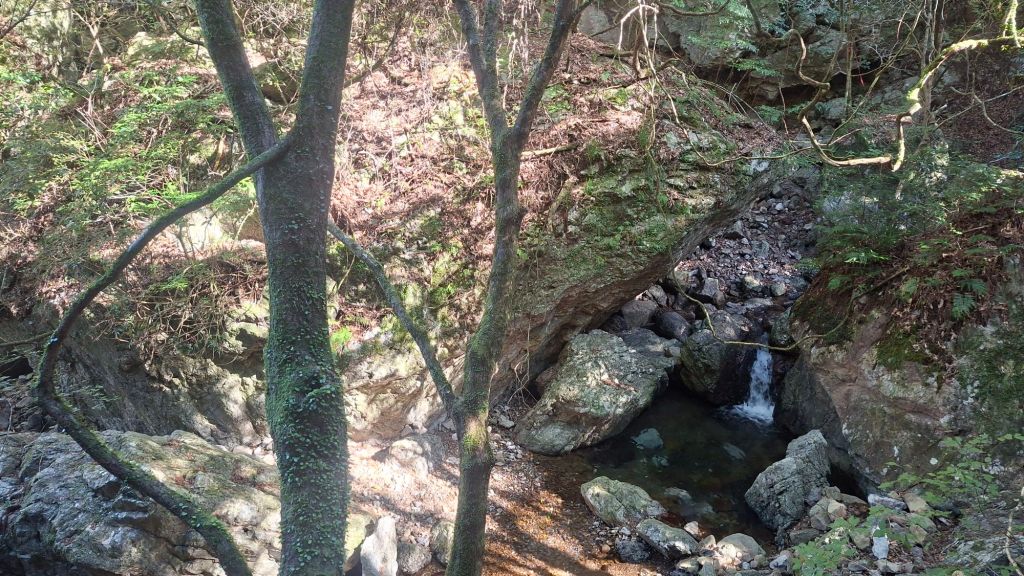
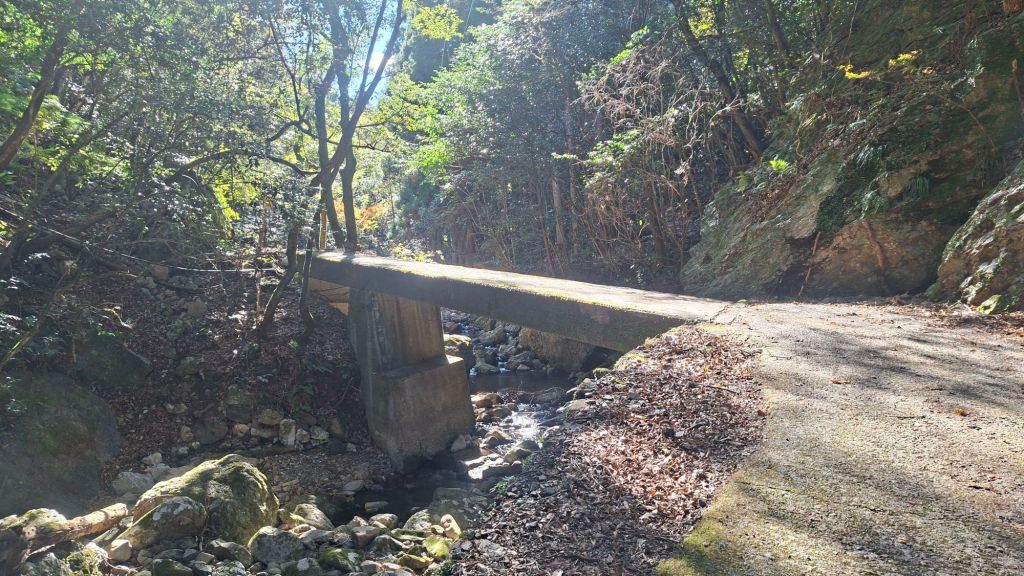
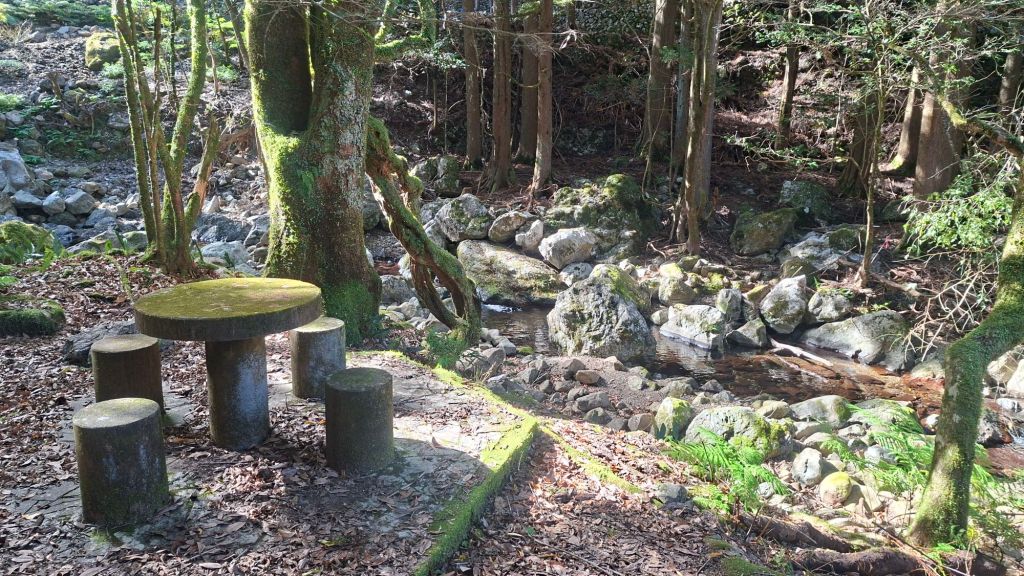
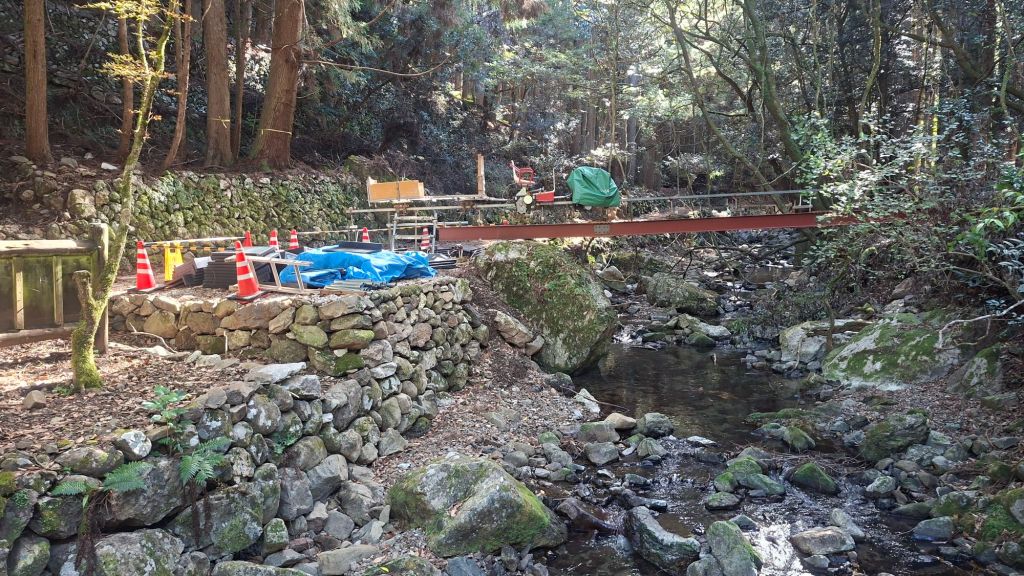
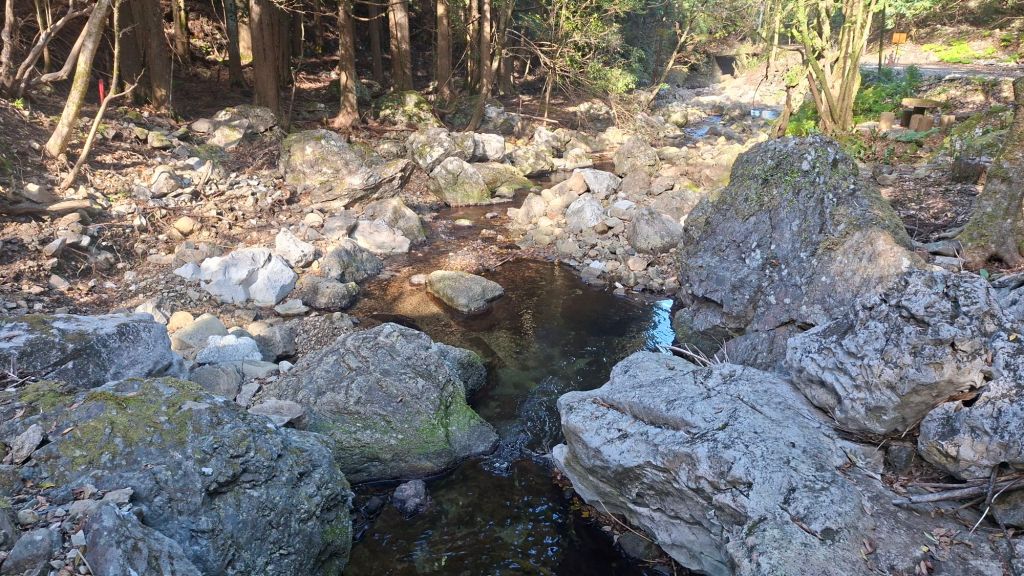
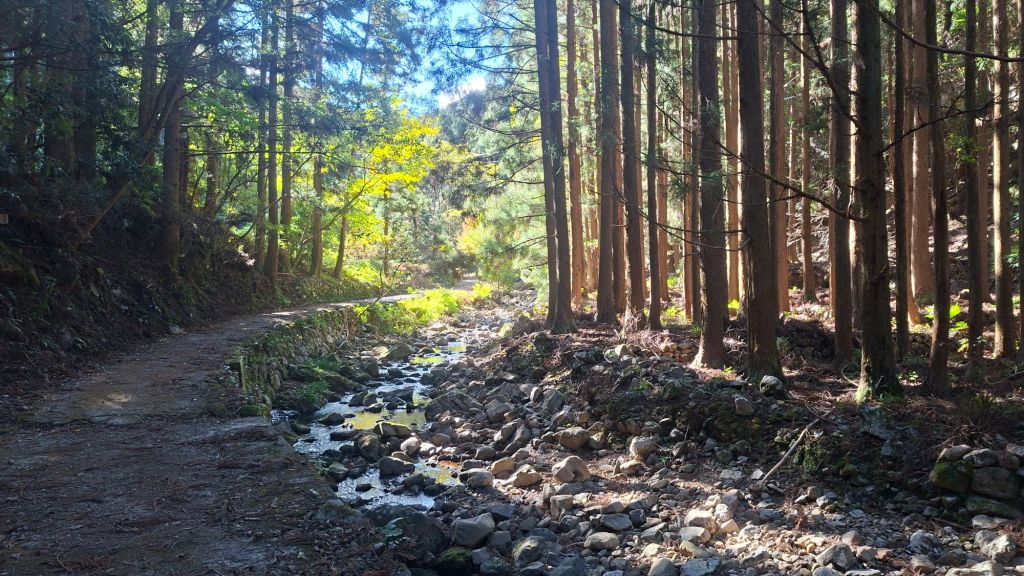
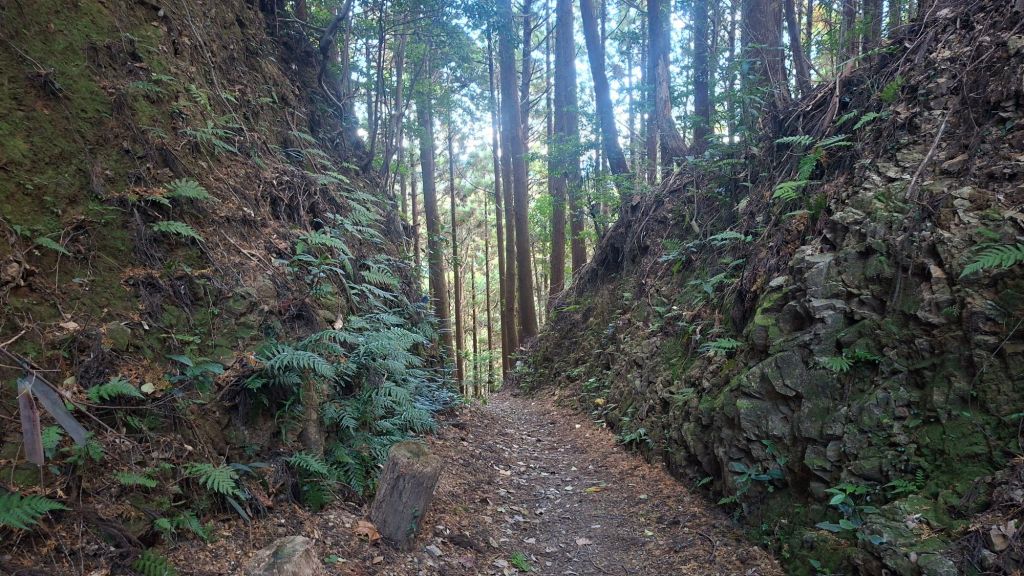
The walk up to Temple 21 is a stunning valley walk for the first part, on a path which could almost be a small road, following the river, the waterfalls and the clear rock pools below. I realise this path is actually wheelchair accessible to someone with fit arms or a motor, something that always makes me happy. Accessible as far as the 2,000-year-old cinnabar mines, at , which are closed for restoration. wonder if they had a reason for the extreme redness of the trees in this stretch
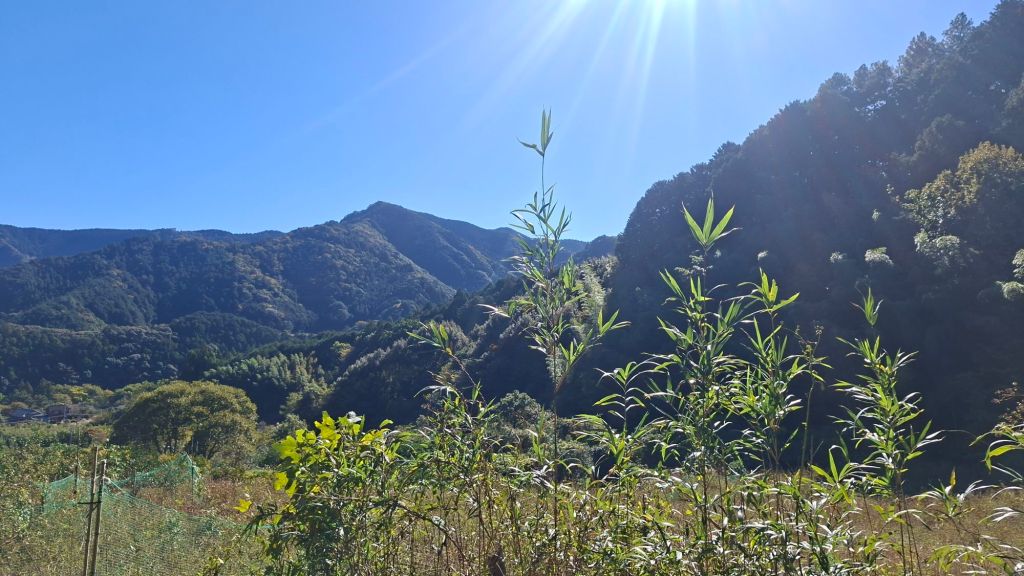
The mountain gets steeper once it leaves the river valley. Up, up to the temple. Behind me, a Western couple who really don’t want to communicate, so I leave them to it.
However, coming down, I recognise a Japanese couple from Temple 20. They must have taken the rope lift . They recognise me, too. And what follows is my most successful Japanese conversation yet.
I’m only using nouns and the occasional adjective, ut with the words England, London, beautiful, knees, difficult, beautiful, wonderful, weather, rain and okay, I think I managed to communicate everything I wanted to say. Or at least I must have smiled nicely, because they smiled and nodded nicely back. And they did pull the right faces when I said knees, albeit while pointing.
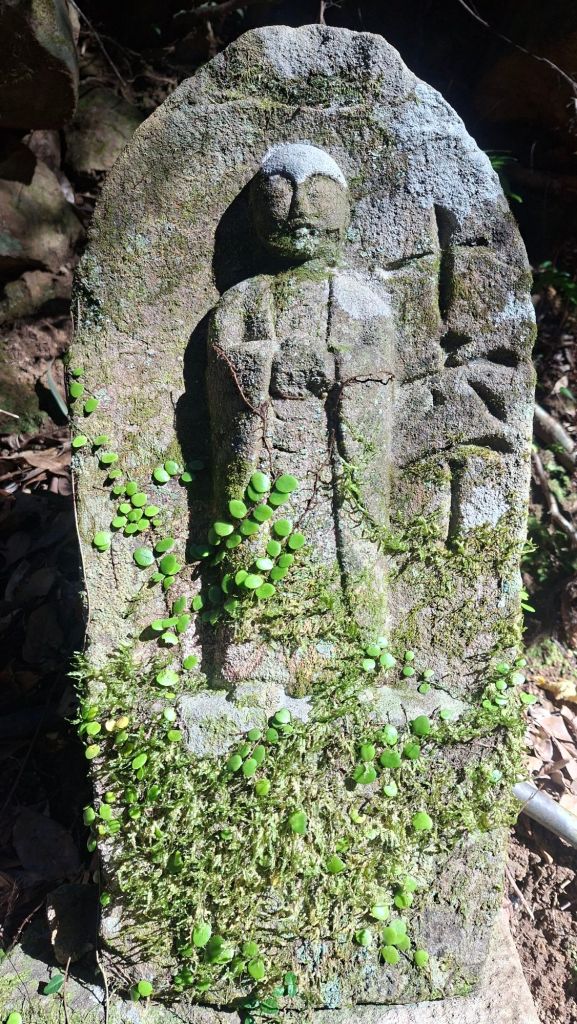
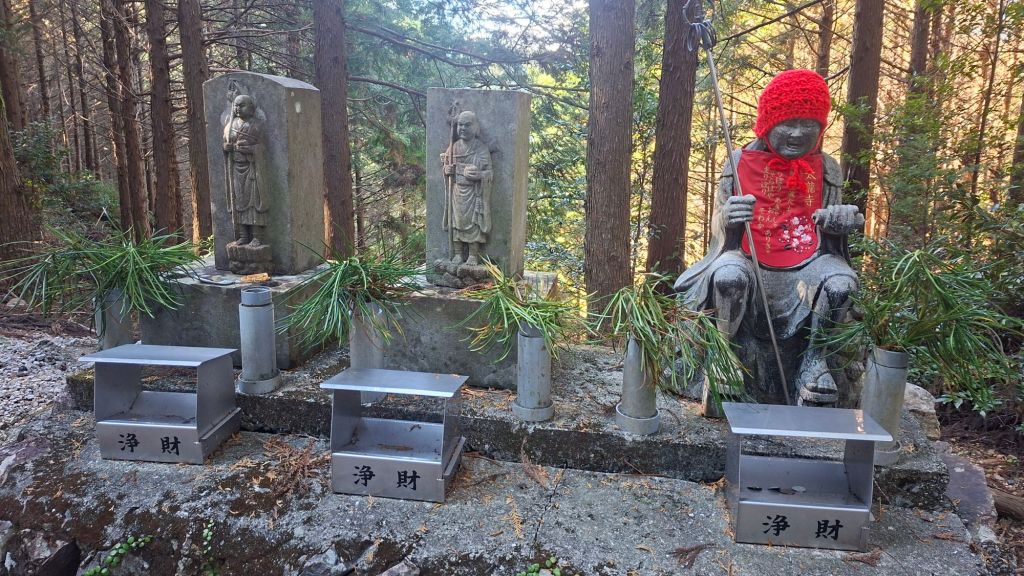
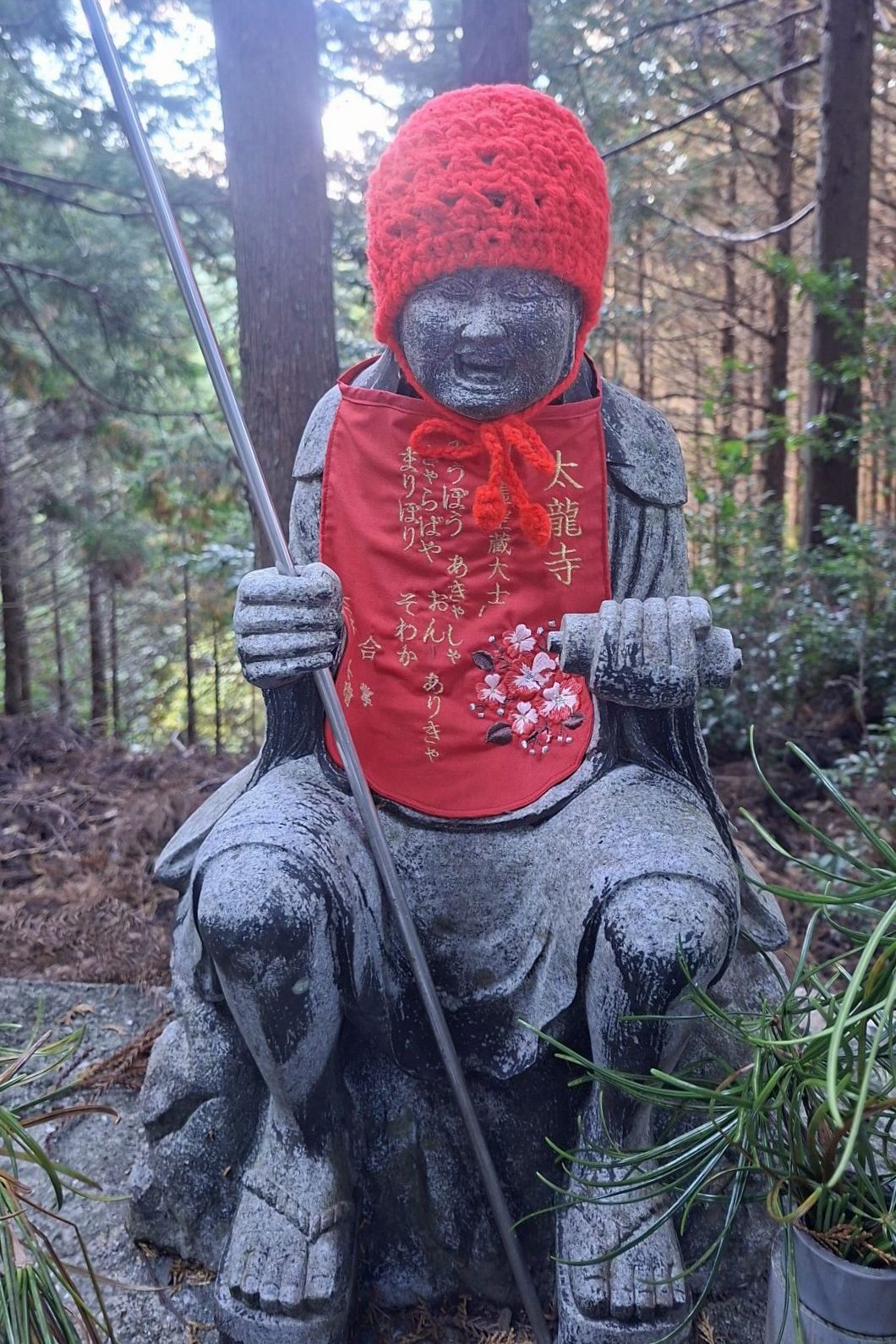
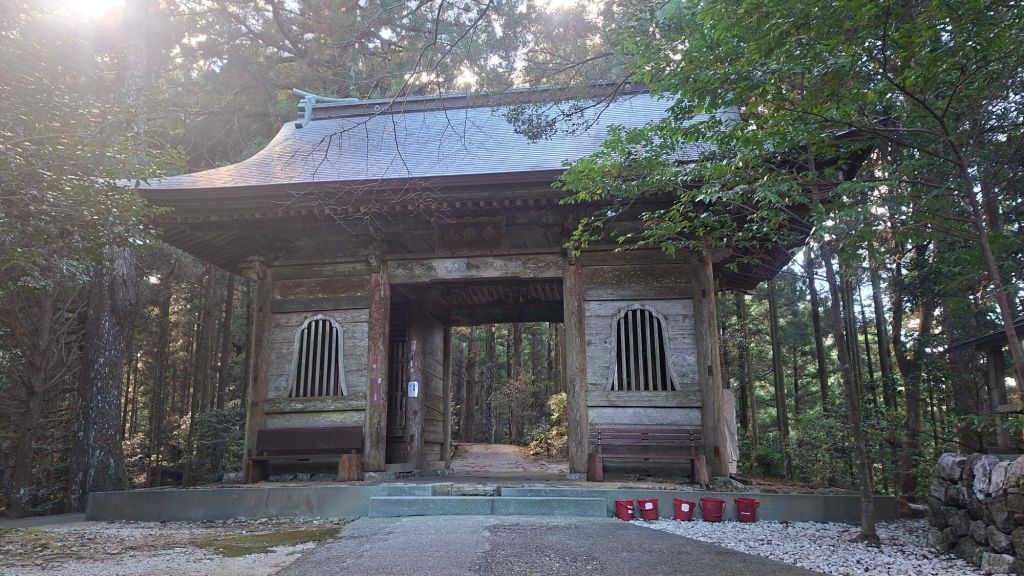
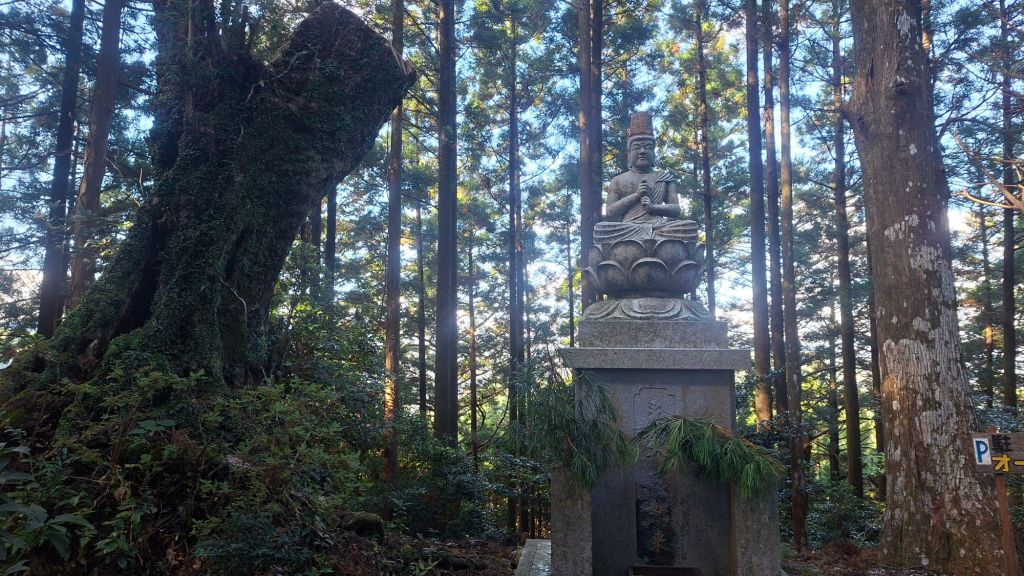
Temple 21 is another mountain beauty and another busy one, especially as it’s Saturday today. Groups of tourists appear and disappear in batches, transported by Shikoku’s longest ropeway.
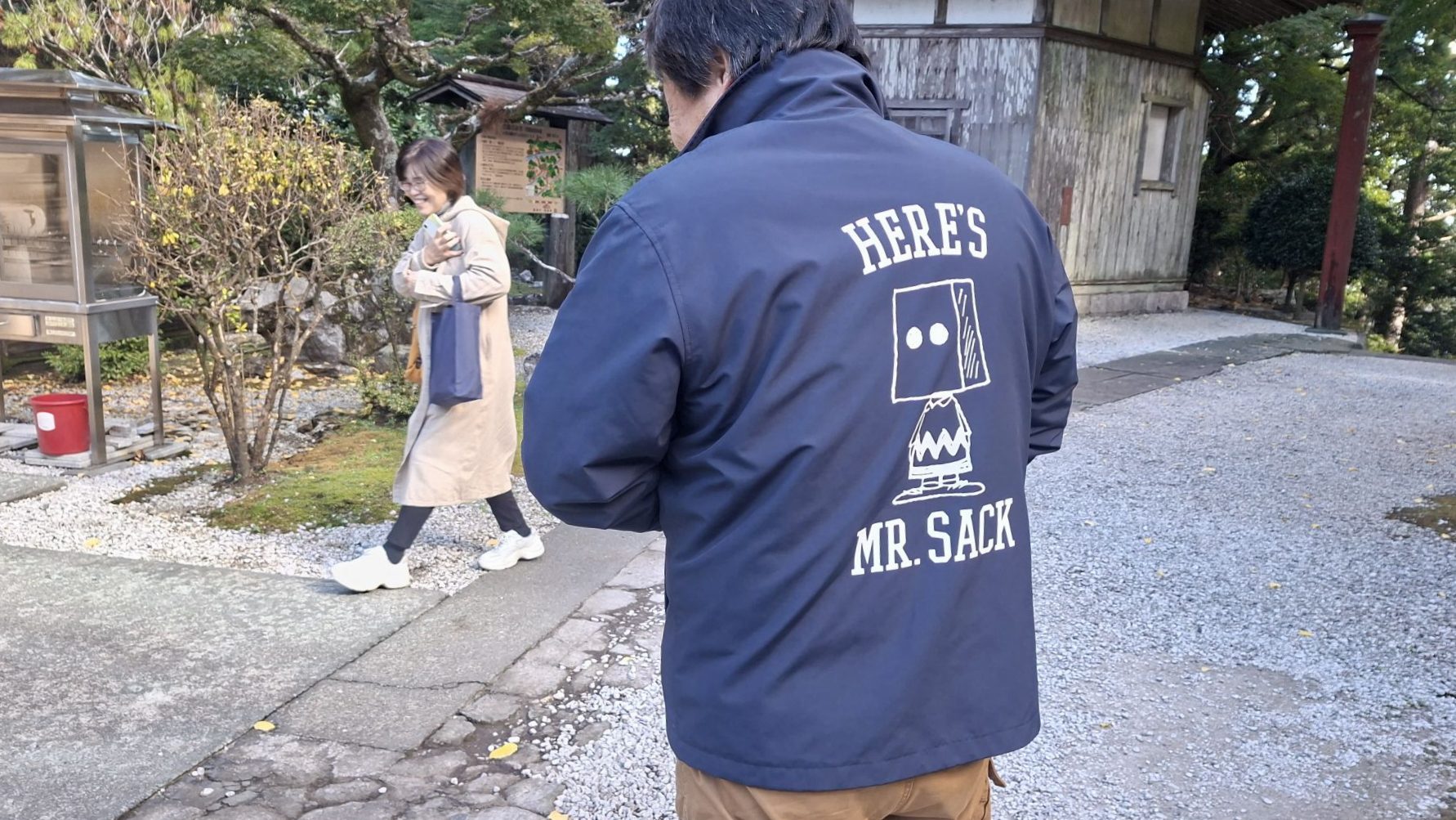
I make the most of the fresh tourist influx. I confuse a mother, father and daughter as I walk up and ask to take a photograph of the man’s back, but everyone’s too polite to say no.
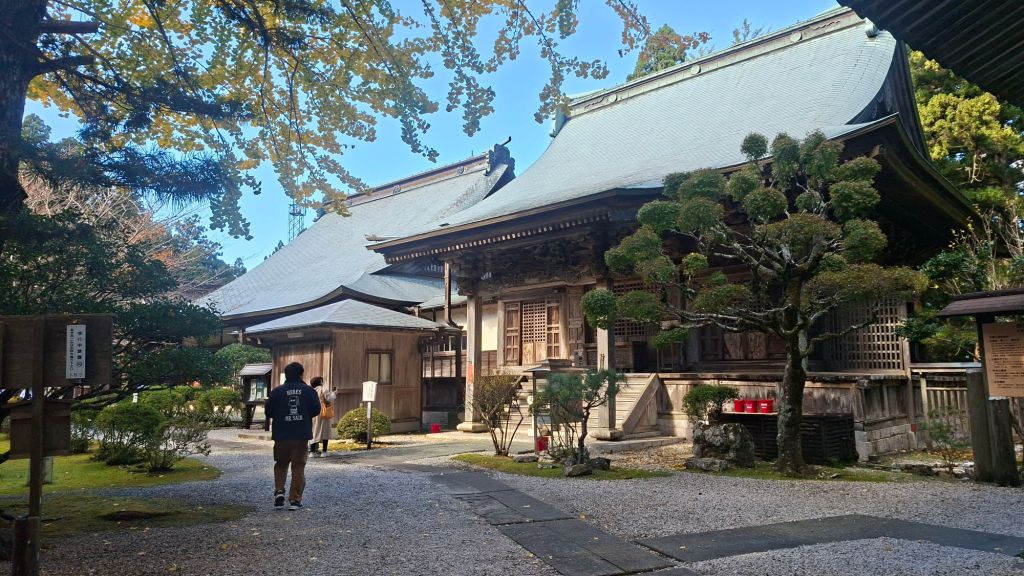
I talk to a Canadian tourist having trouble finding her way back to Tokishima for her birthday tomorrow. She tells me that everyone loves Canada because Canada has never done anything wrong. I say nothing to this.
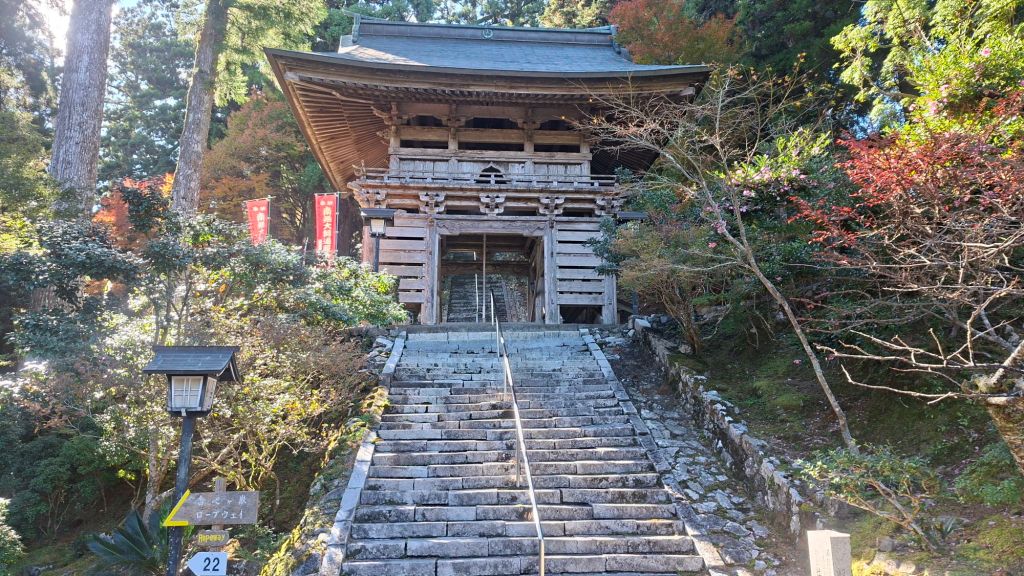
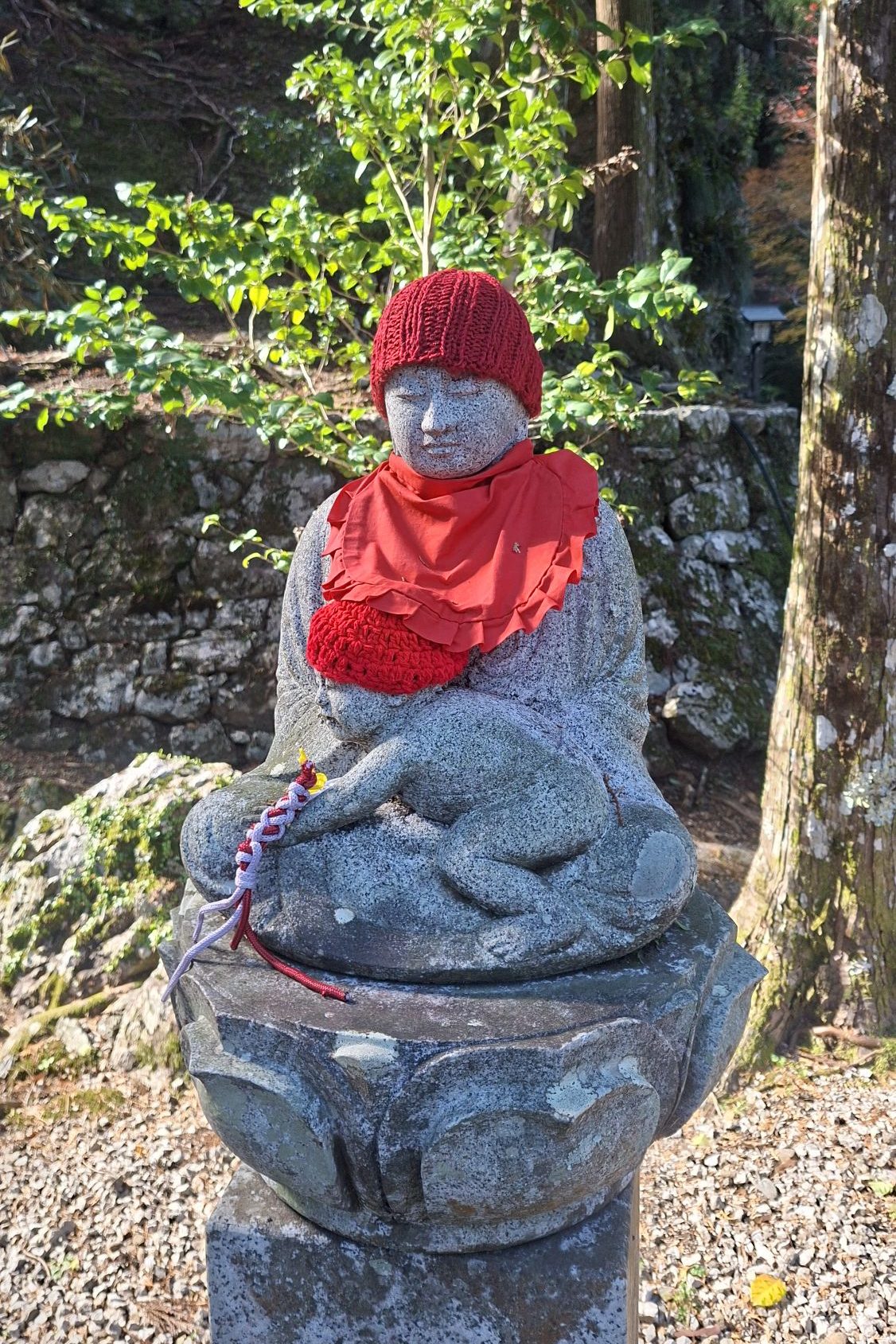
Because I blew the budget sending my luggage on ahead today, I forego the ropeway down. Besides, it would have involved a long walk on a main road at the other end and it’s a beautiful day. I sent my rucksack on for a reason.
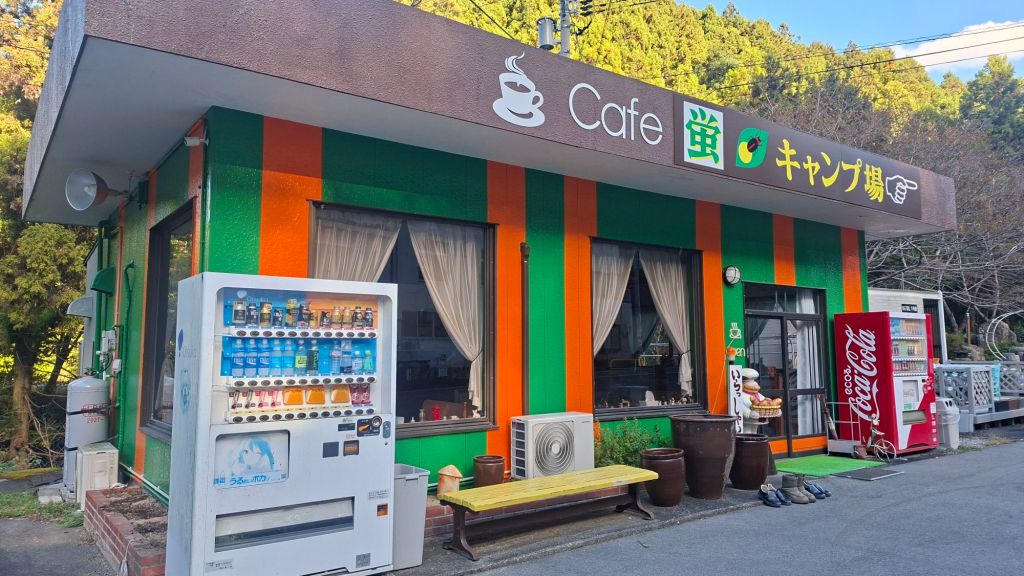
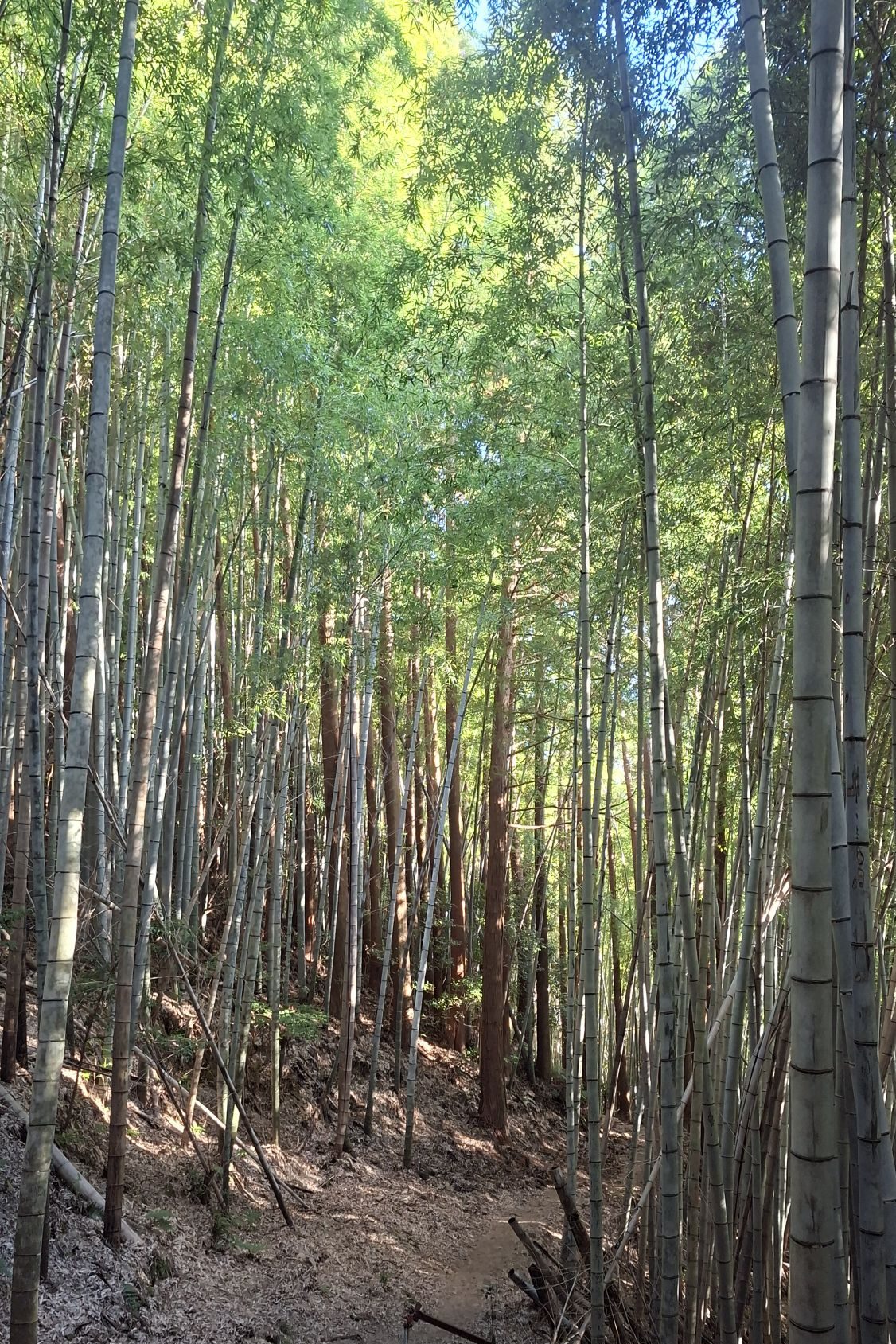
I go back down through a different river valley, crossing from time to time with Eva and Agne. Eventually, on the home run, after one last little killer mountain, I catch up with Hiroshi-san and Kiri-san, the two gentlemen from the inn before last. I decide, despite my lack of Japanese and in the face of all discomfort, there’s more than mine, I will walk the last ten minutes to the next temple with them. Somehow, we manage.
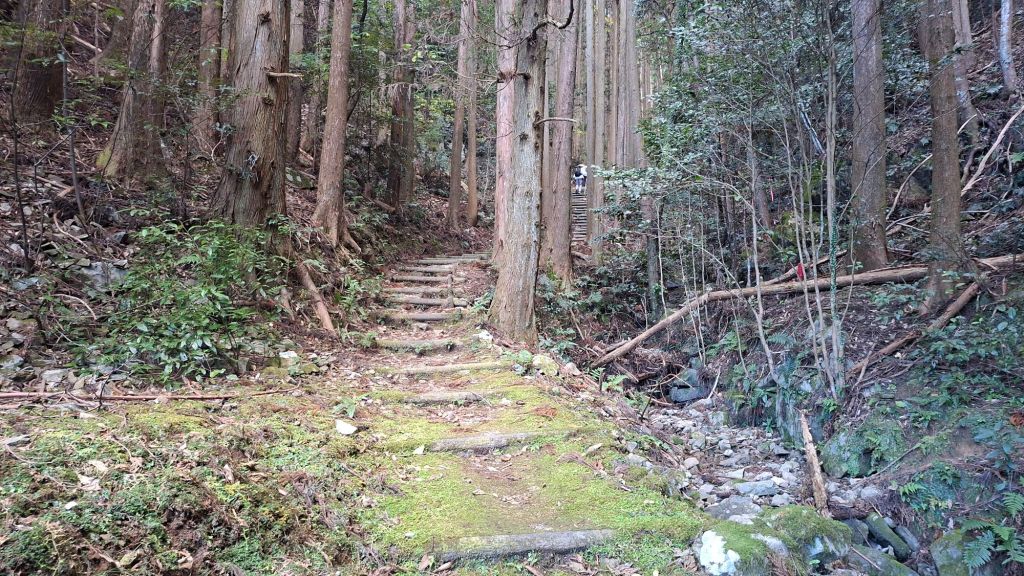
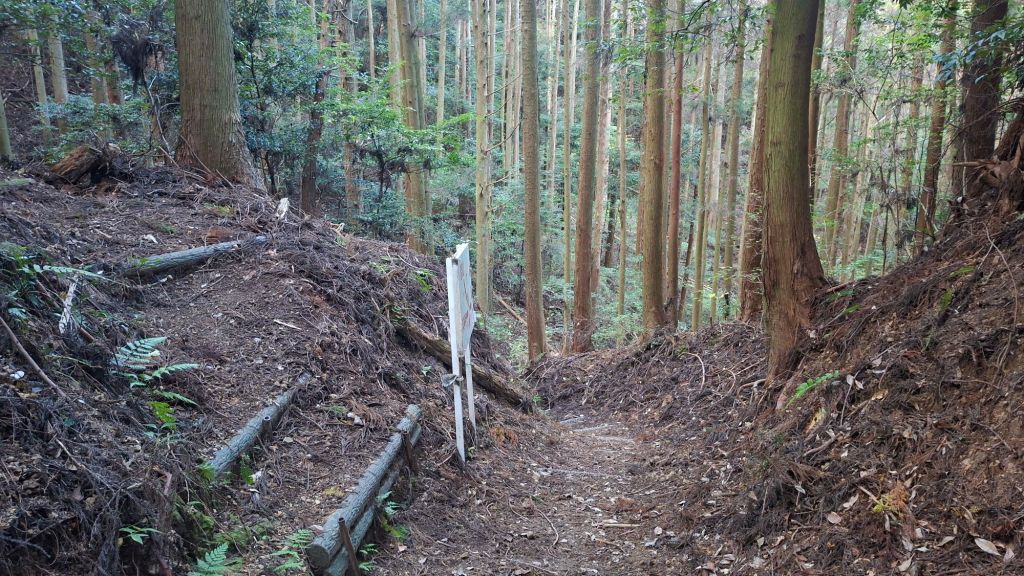
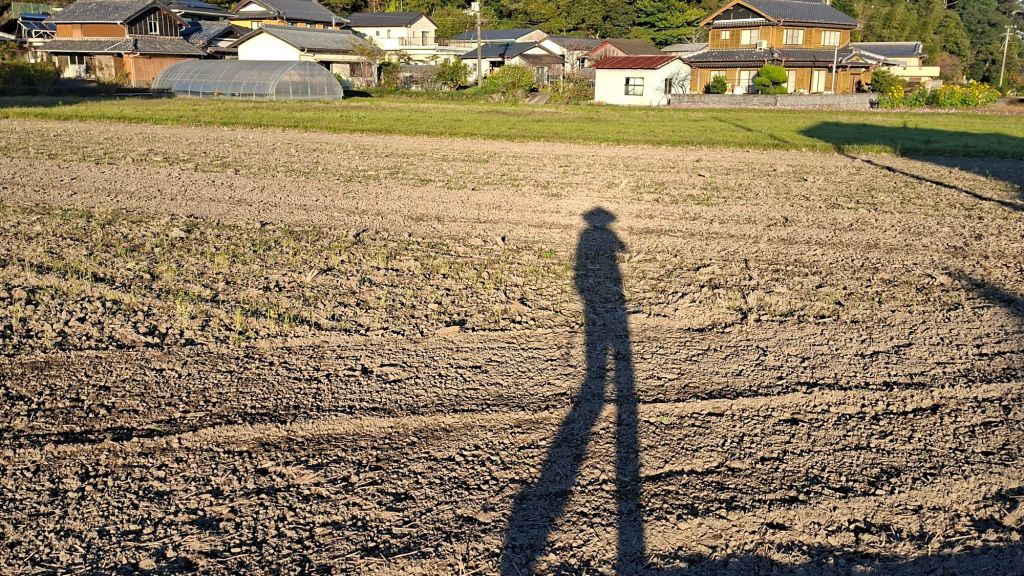
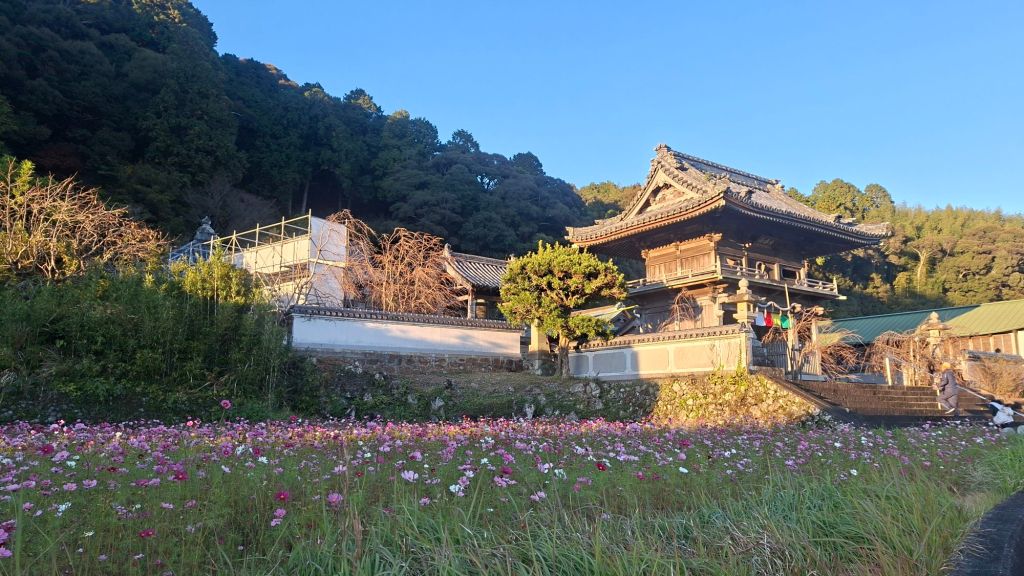
There’s a big do going on at the temple and I find out that every other bed in my inn tonight is taken up by priests who’ve come for the festival at the temple.
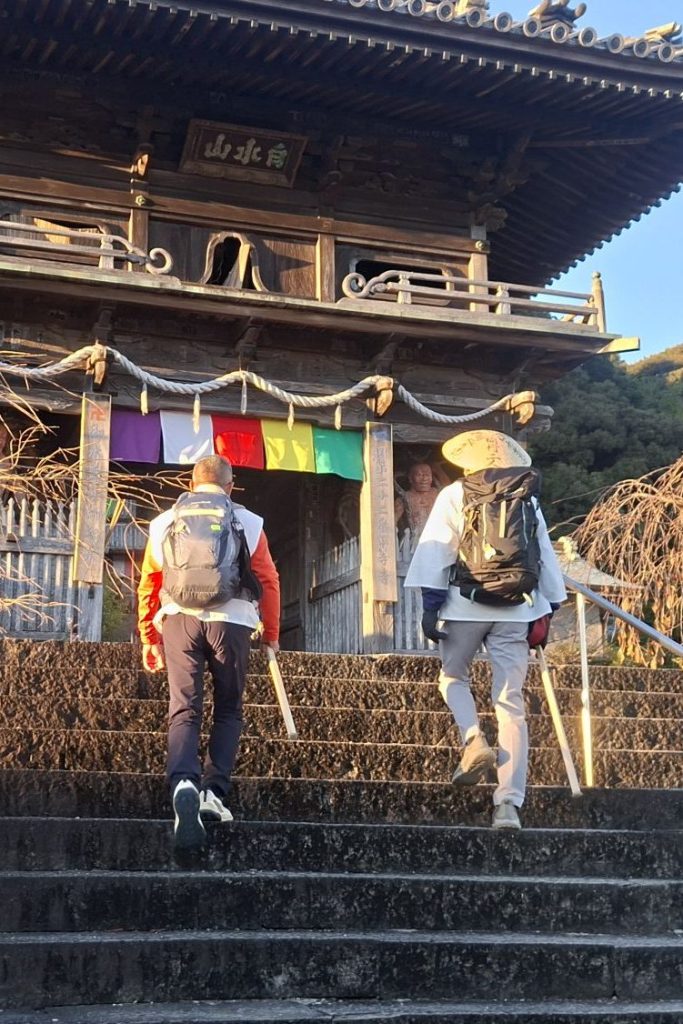
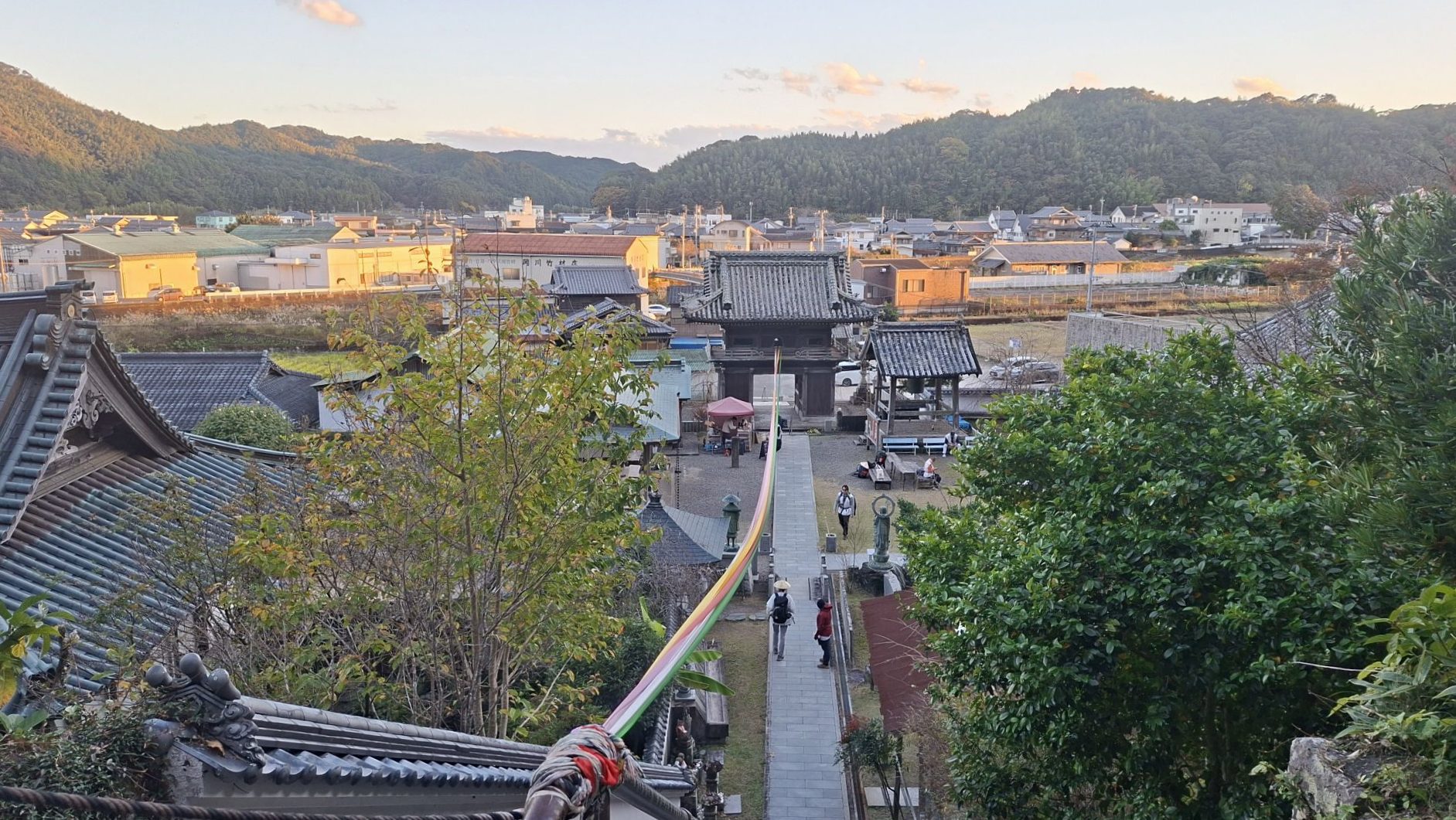
I find this out from Mr Sazanka himself. His bookshop is next to the inn, and it’s very unclear which door is the shop and which door is the accommodation. I think this is done on purpose so Mr Sazanka gets first dibs on anyone coming in. I walk into the bookshop by .
He comes out from behind his big pile of books, pulls a pair of trousers on over his long johns, talks with infectious enthusiasm about temples, equality, democracy, Japan and the Ukraine, before taking me into the inn to introduce me to the landlady.
For a short while before dinner, I am left to enjoy my green room, my green bathroom. It’s a very green place. The bath is the best yet, made of giant stones, perfectly sized to lie down with your feet up, and almost forget about dinner.
Dinner is served, and it urns out I love eel, or at least I love what Mama-san has done with this eel. I even pour the juice over my rice at the end.
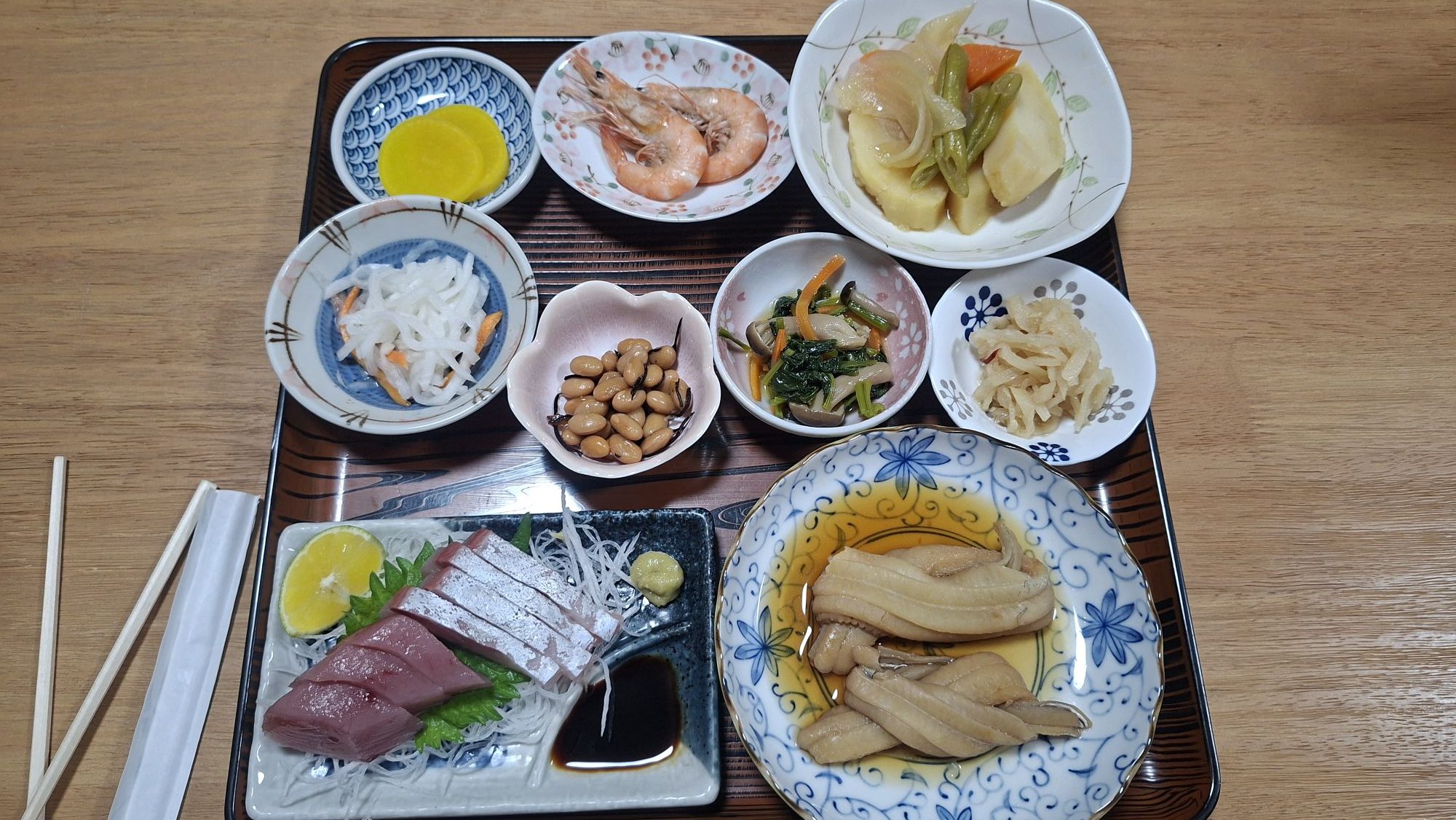
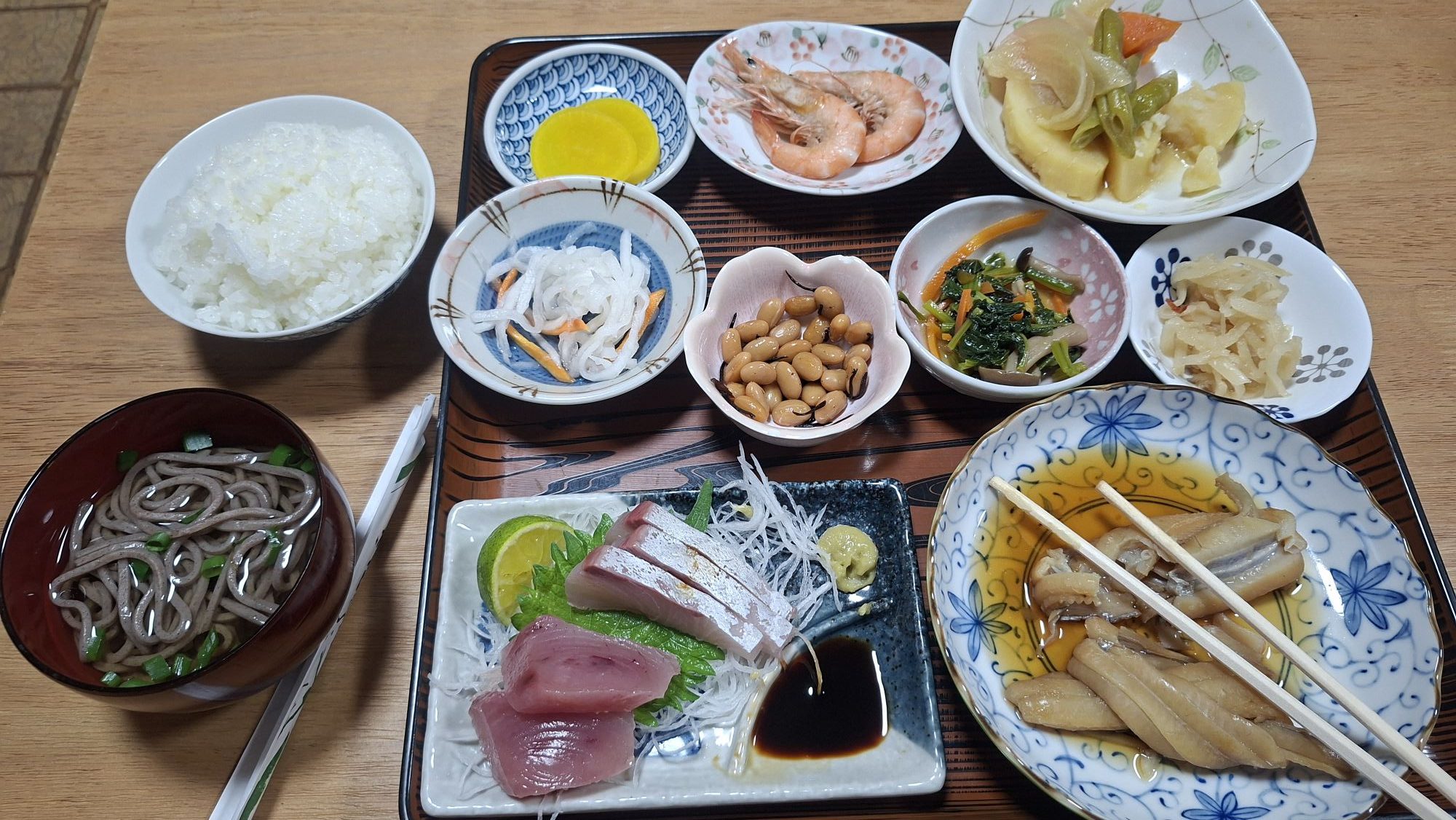
While I eat, Mr Sazanka explains that the longevity of the Japanese is due to natto, tofu and fish. At the moment, he says, life expectancy in England is 89. If you move to Japan now, he says with great authority, you will live to be 108 years old. The precision is very convincing.
Mr Sazanka starts telling me about the history of the temples I’ve seen. This will continue for most of the evening.
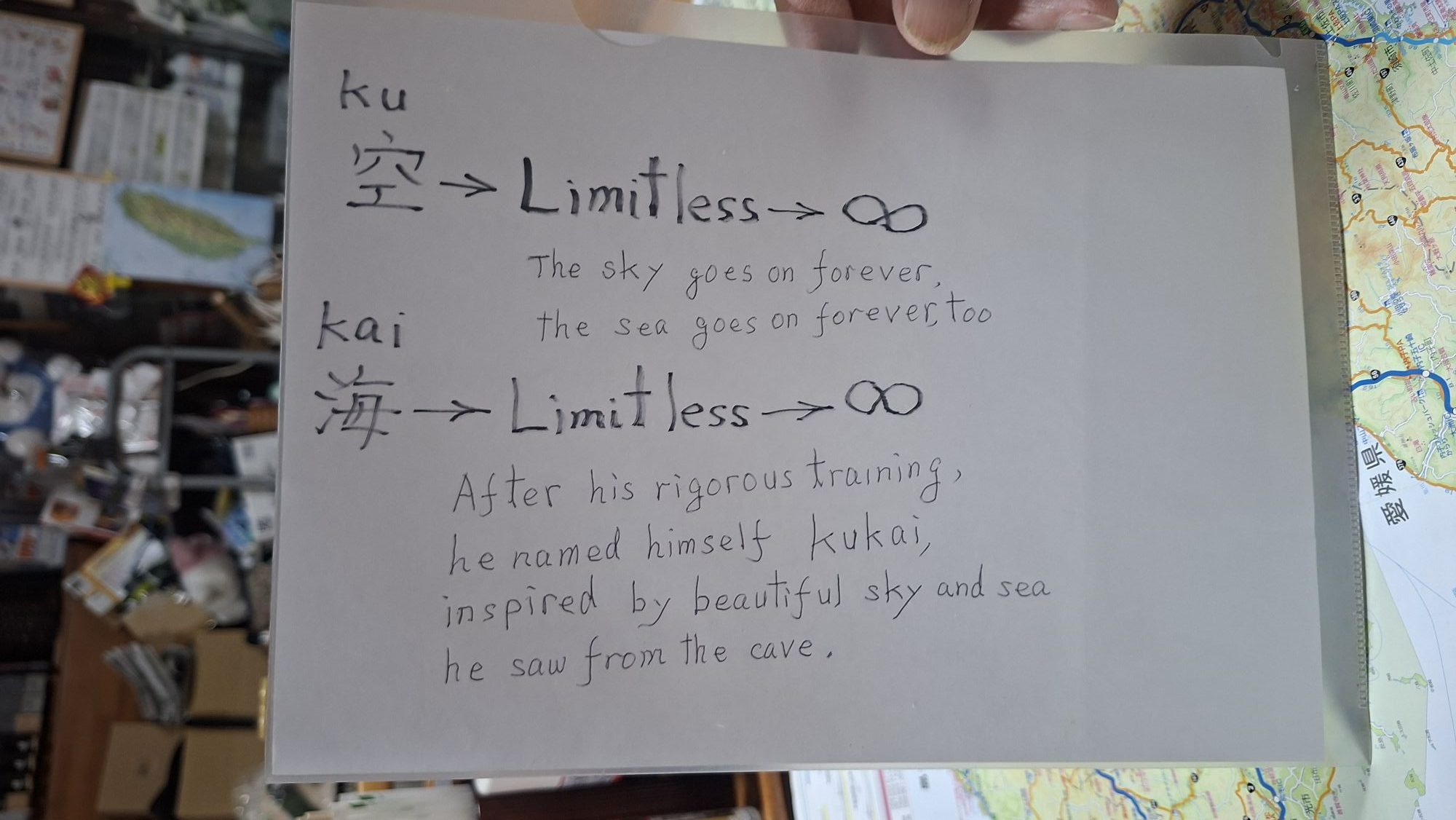
He tells me everything I need to visit, not just in Shikoku but in Hiroshima Prefecture. The tour is developed for me: over the bridge across the many beautiful islands to Hiroshima, a beautiful temple and the site of the A-bomb. “Not something we’re proud of,” he says. Then along to the largest castle in Japan, just outside Osaka, before doing a triangle tour of Osaka, Kyoto and Nara. It’s a lot for four days, but now I sense challenge coming on. Nara is the oldest capital, he says. The deer understand the traffic lights and eat from your hand. This rather sells it to me.
Despite an earlyish arrival, I find myself getting back to my room just as late as usual, with all the usual things to do. As for the Buddhist priests, they are still out making a night of it


Leave a Reply