Shikoku 88 Temples – Day 9
Komatsu to Shikokucho (Temples 63, 64): 25km (+10km bus)
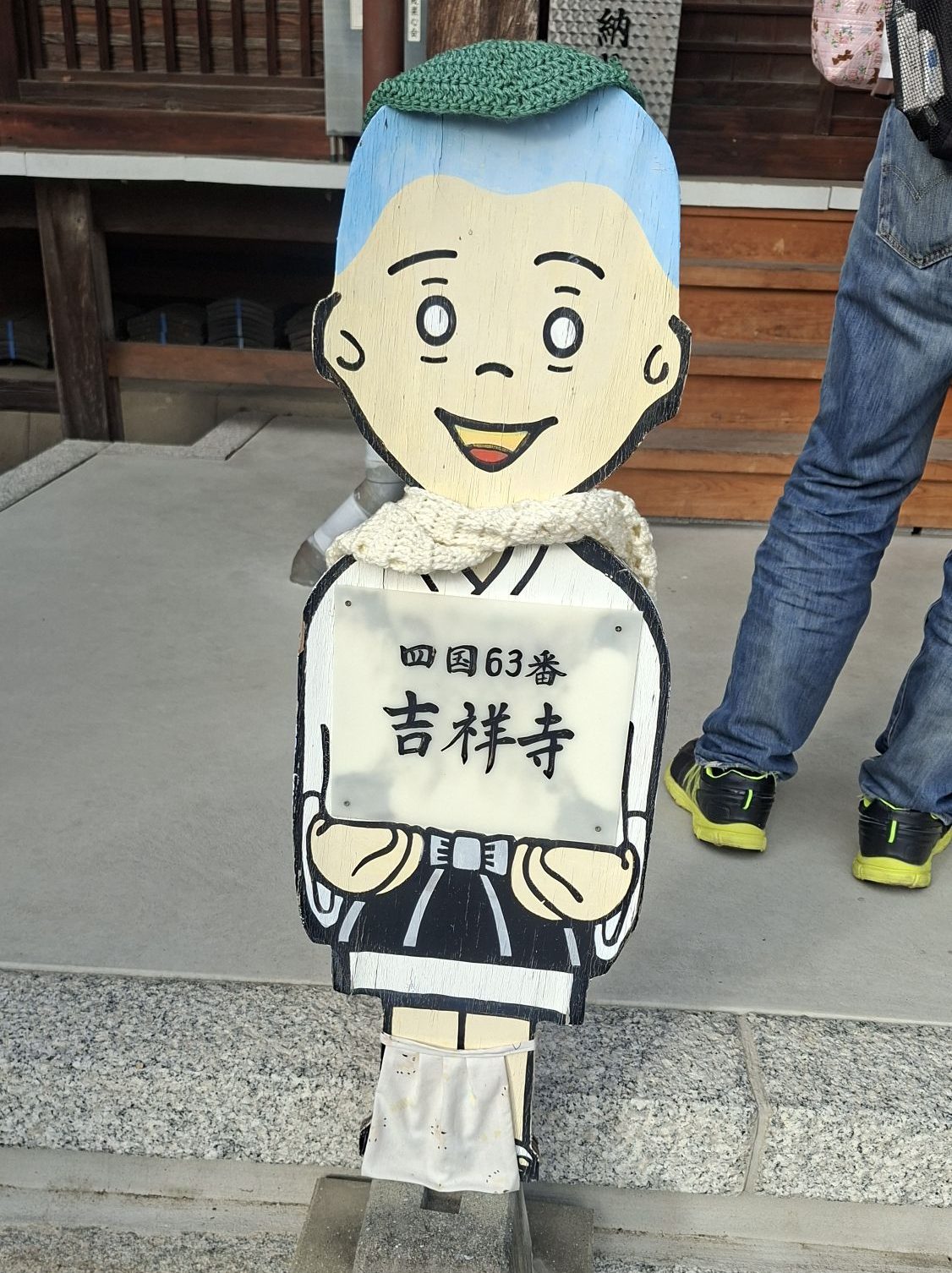
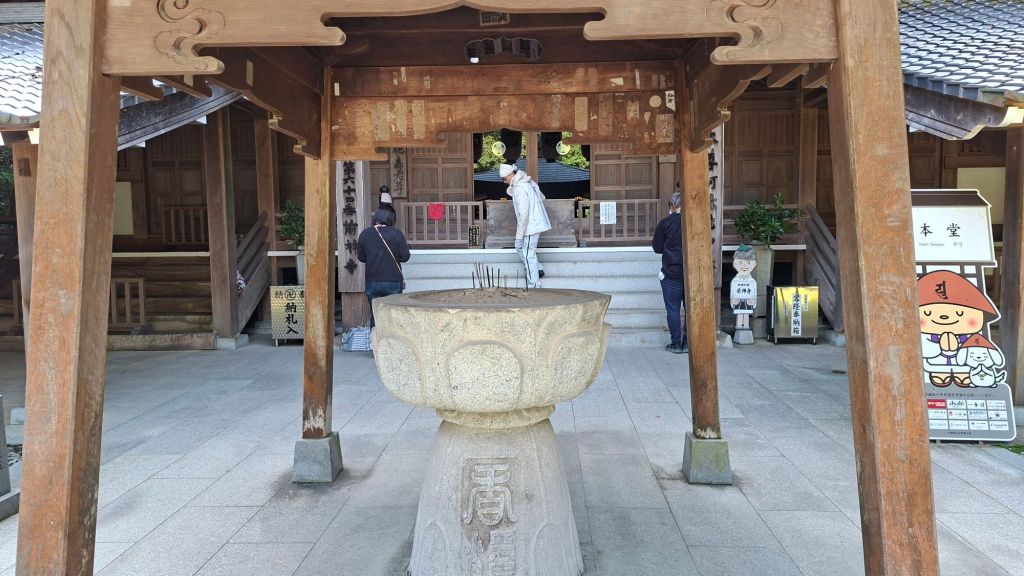
Outside Temple 63, my first temple of the day, I meet Jessie. “Hi,” he says. “Have you seen Jin? I think he stopped at the 7-Eleven”.
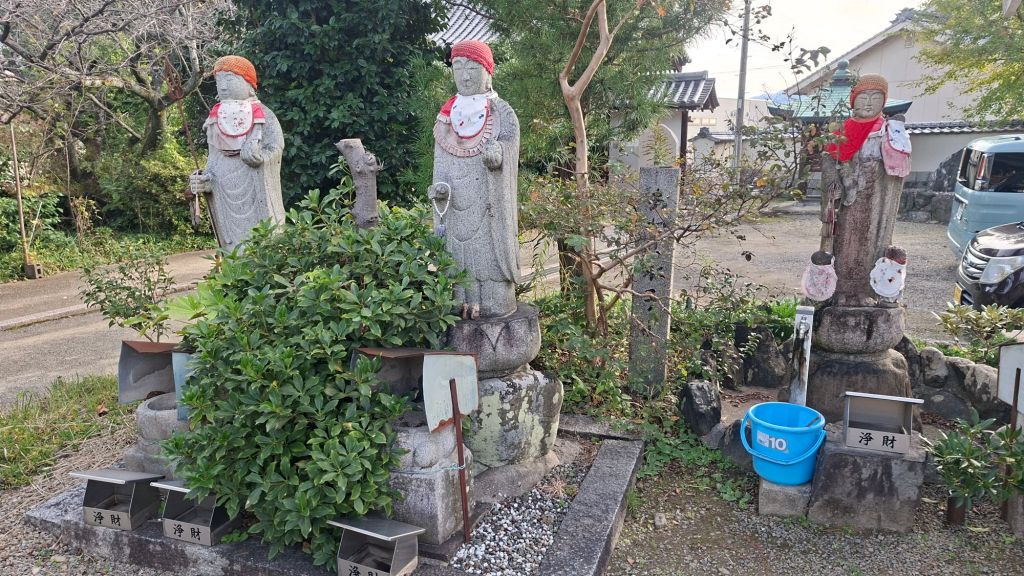
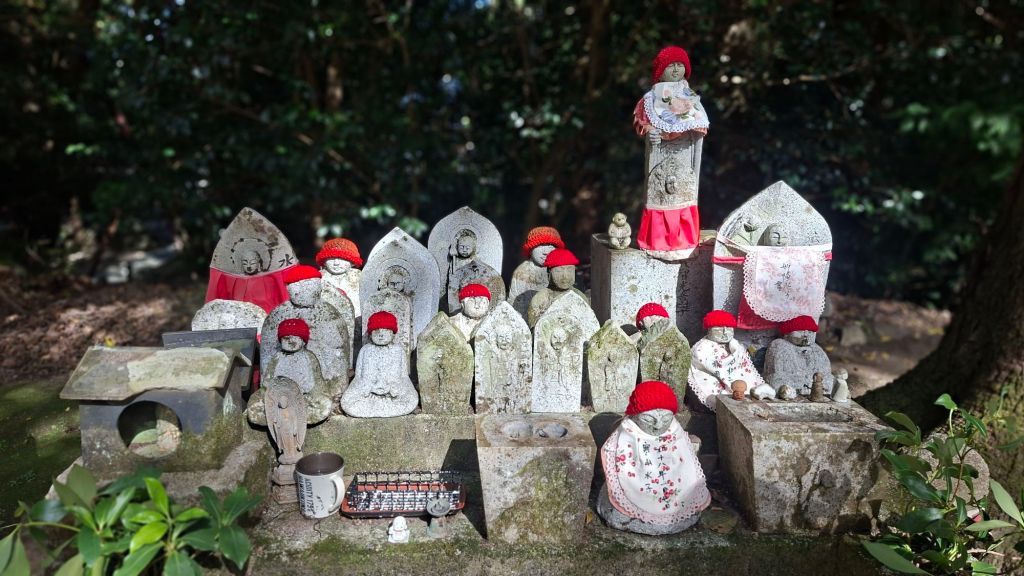
I find myself pottering around the temple when an older, bearded pilgrim arrives. I guess him to be Stephen from Adelaide, whom Jessie had mentioned earlier. He is a very affable and knowledgeable pilgrim who tells me a lot about the various traditions and prayers, mainly done by mothers. The stones on the Shinto gateways are to help children who have gone too soon to build a bridge across the Japanese Styx. Ladles with holes in them are taken and returned to temple wells in thanks for a child’s safe and easy delivery.
At Temple 64 we have the good luck to be joined by another coach party of chanting pilgrims. While they chant, we’re approached by two Japanese schoolgirls practising their English and doing a school project. I wonder, maybe the bad teenagers all stay at home on their computers.
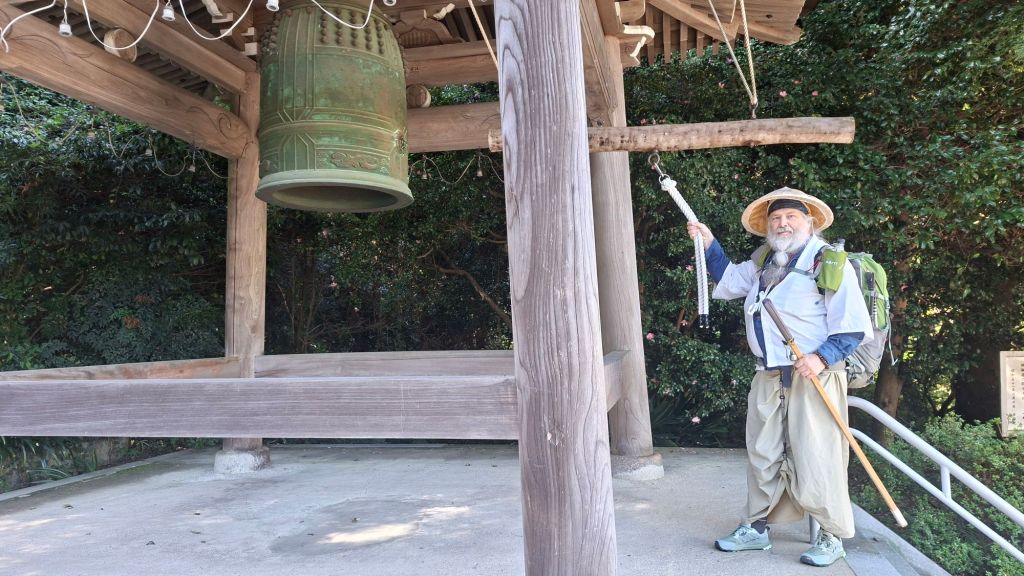
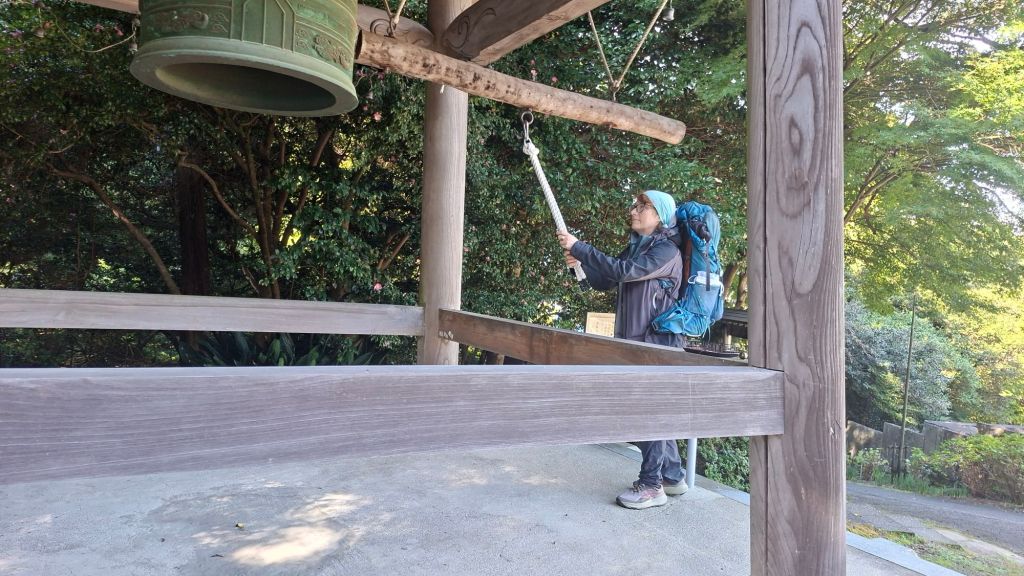
As I am set to leave Temple 64, I bump into Beda from Finland, whom I’ve been seeing pretty much every day, but with whom I’ve only exchanged a few words. Either she or I is feeling a lot more chatty now. It’s good to get a name and a bit of background. She is walking for two months on the island, heading inland and visiting places off the route, all on her own. Good girl.
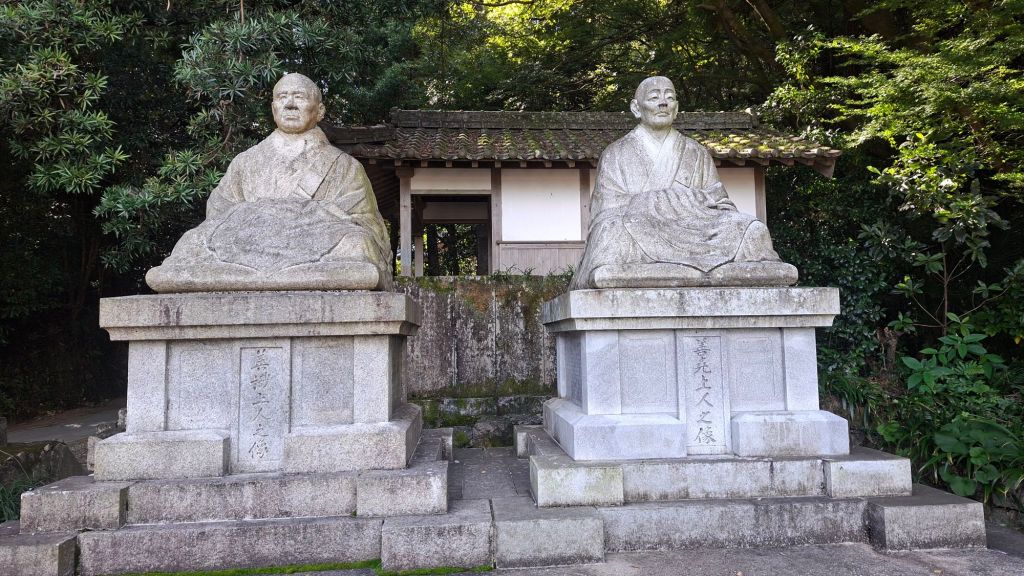
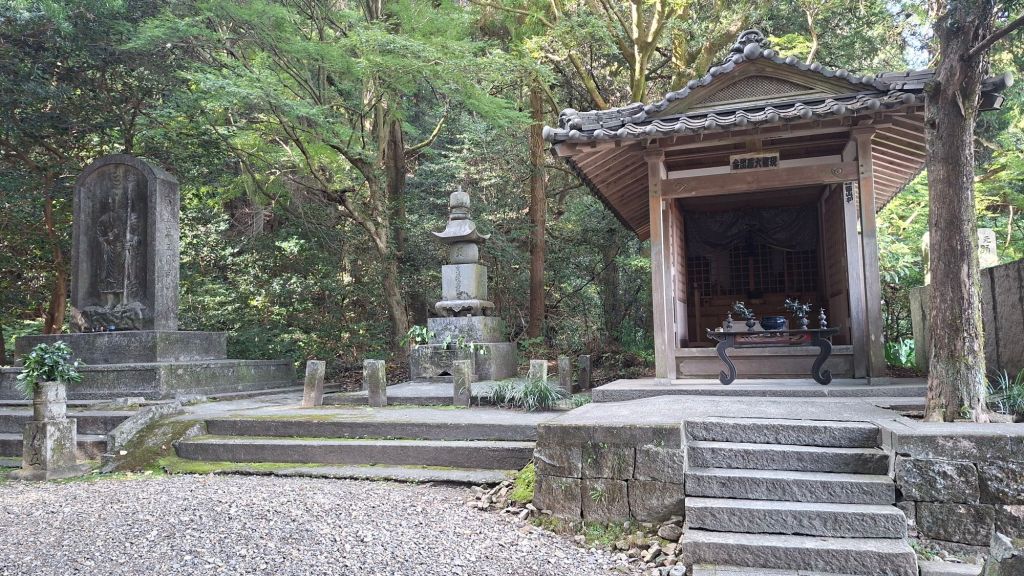
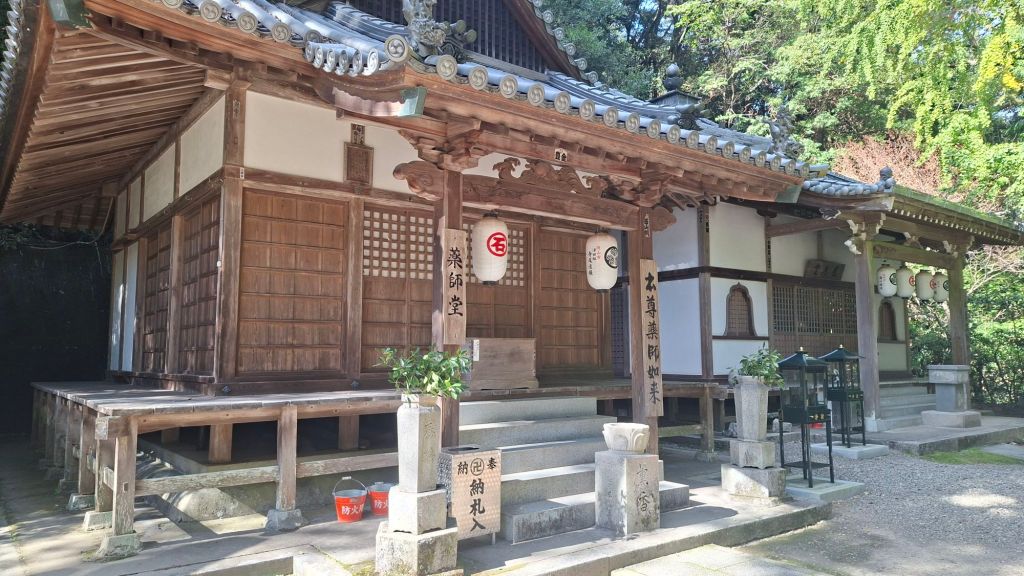
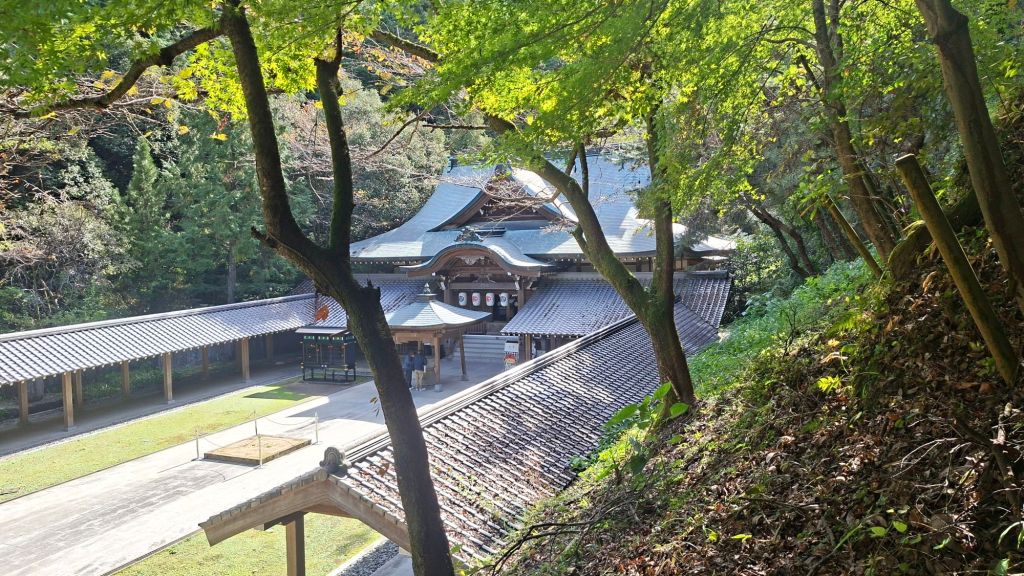
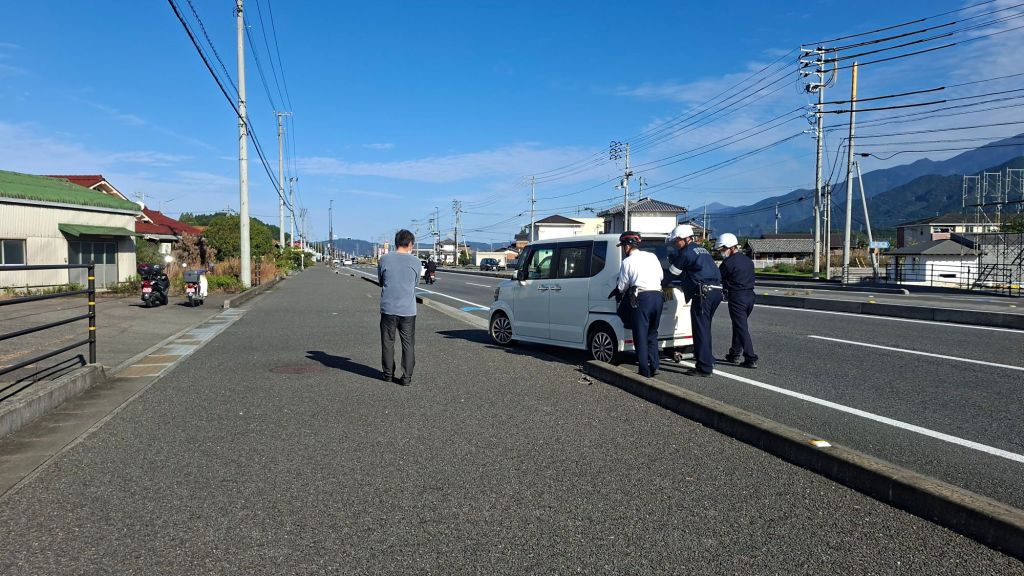
It’s now just a long slog through the suburbs to my next accommodation. Things I enjoy: blue skies, houses built in a beautiful traditional style, police at work pushing a car out of the traffic on the main road, Lawson convenience stores, with handy areas where you’re allowed to sit and eat. I take advantage of this last one rather too often.
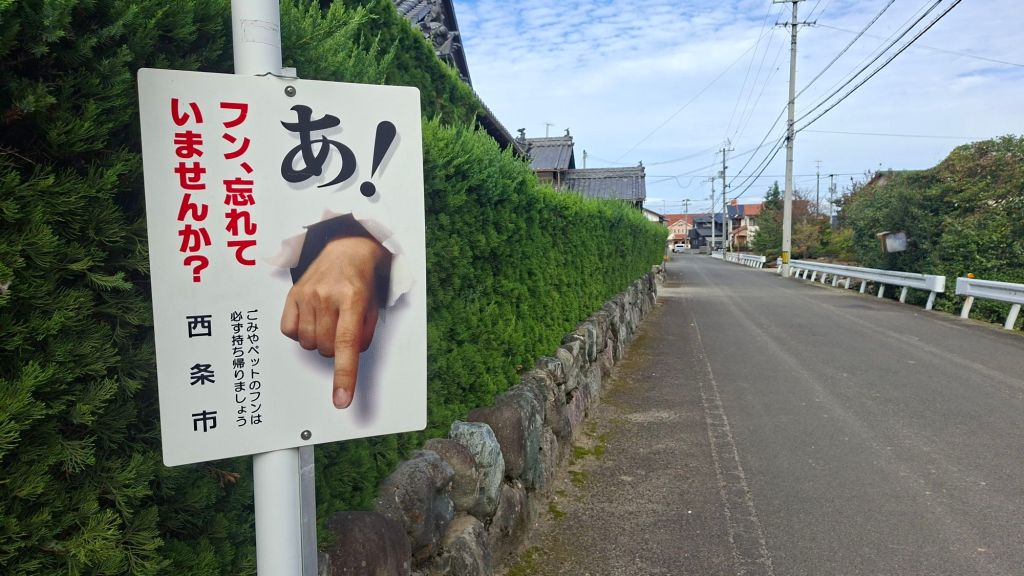
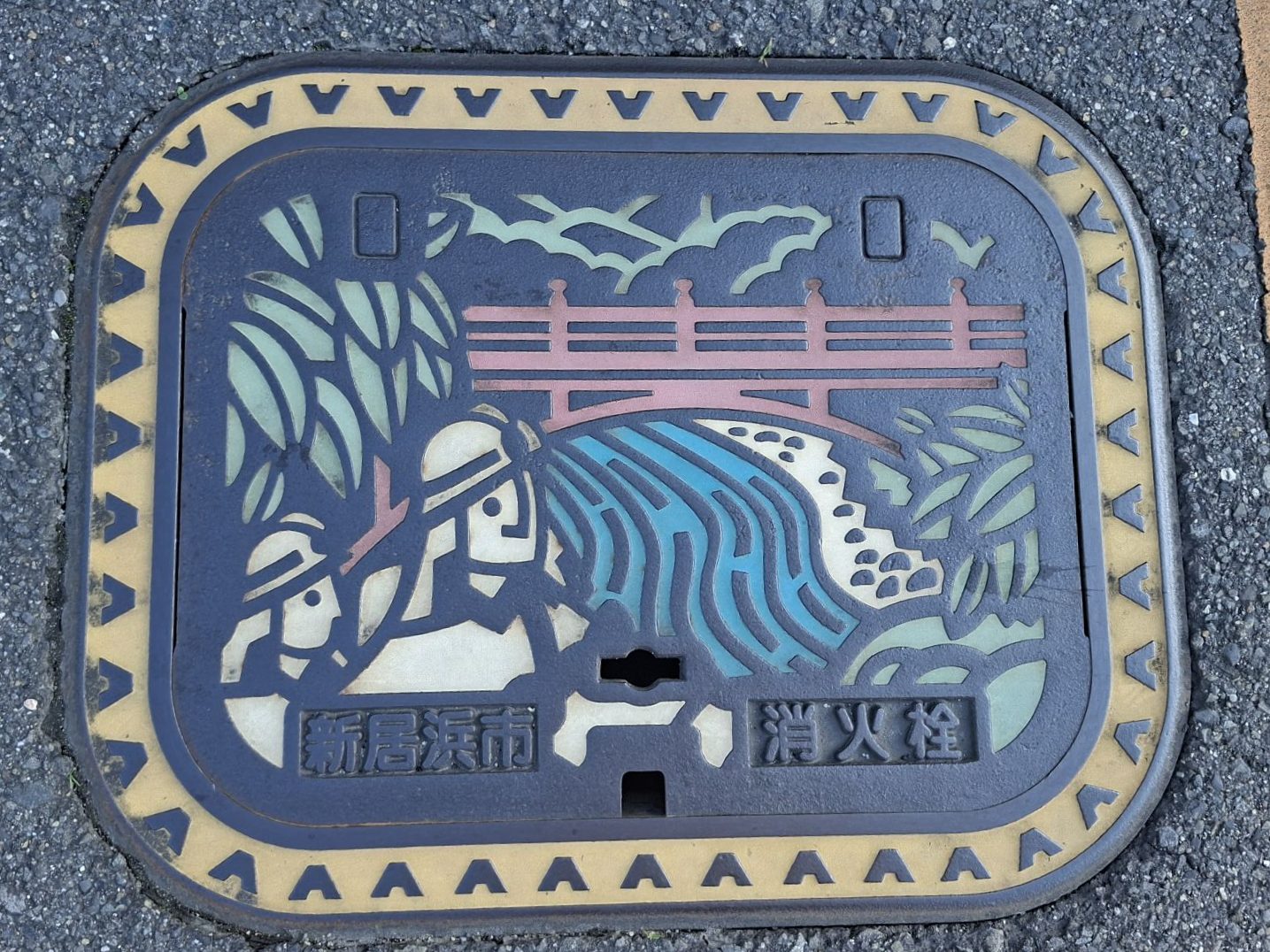
I also love colourful manhole covers. I’m taking a picture of one of these when a little truck goes by with labourers sitting on the back, smoking and laughing. There are a few little trucks like this, carrying people to or from somewhere. I decide that, along with tractors, a lift on the back of one of these little trucks would also be within my rules.
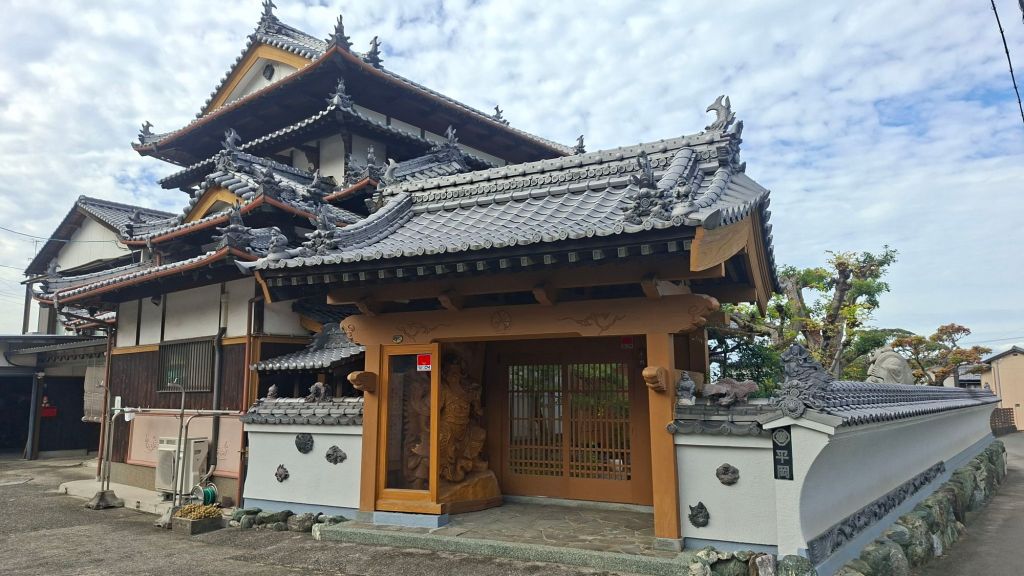
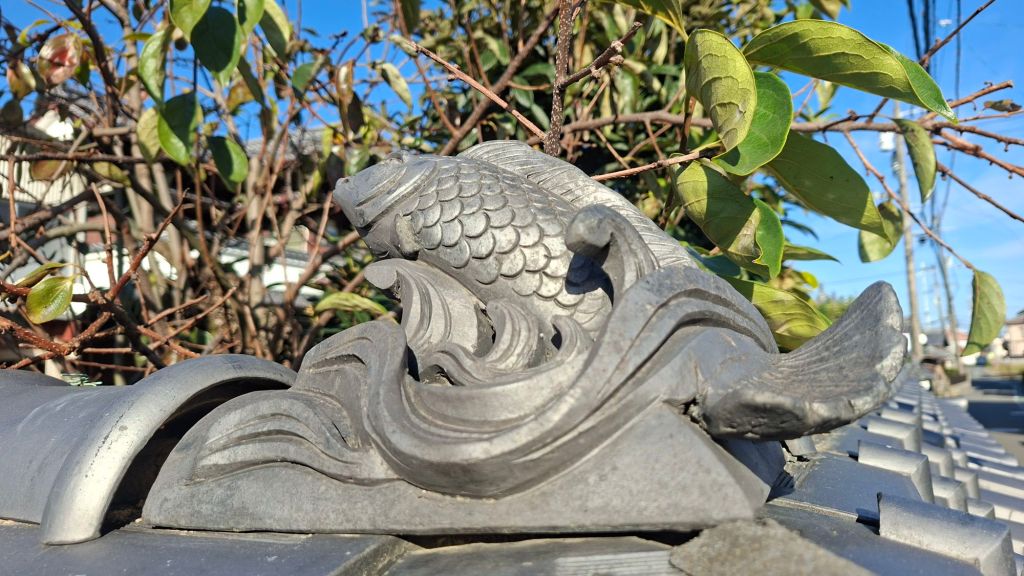
Some of the houses in the mid-afternoon suburbs are built as grand as palaces, or at least as grand as temples: massive gates, towering structures, statuary everywhere. And I wonder why here, on this ordinary road amongst ordinary houses, one street back from the main road. Why are they building them here. Am I missing something? Are people so tied to a district that they wouldn’t dream of building their palace elsewhere?
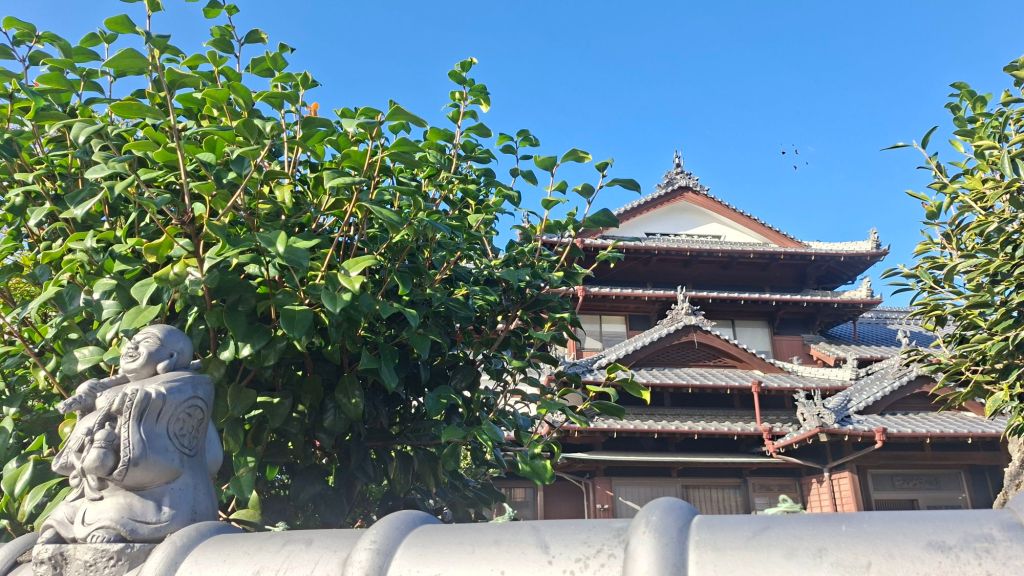
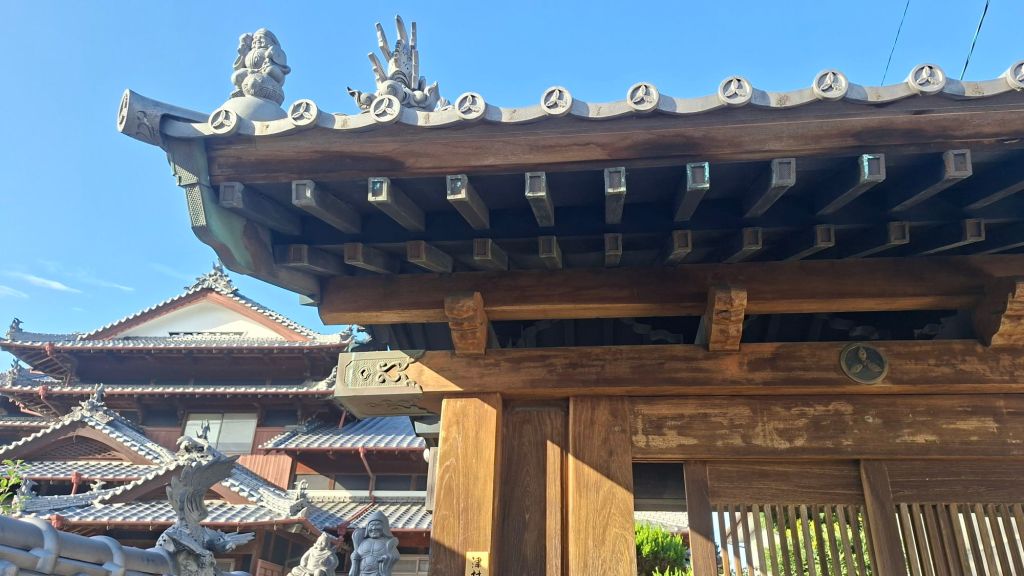
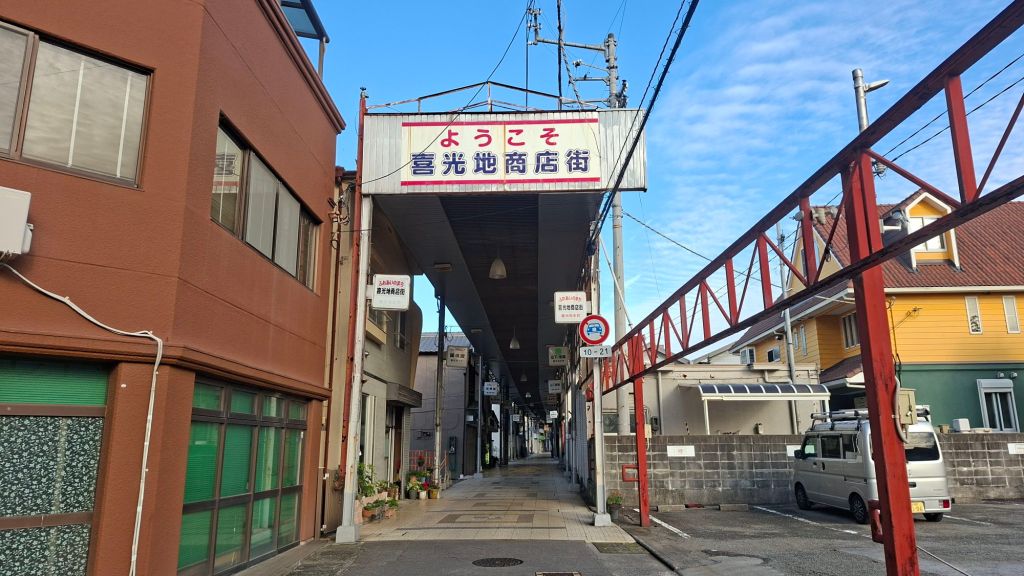
As I reach Seijo city centre, the grand houses stop. I walk through an abandoned arcade to my bus stop. There is a beautiful dereliction to parts of the towns in Shikoku.
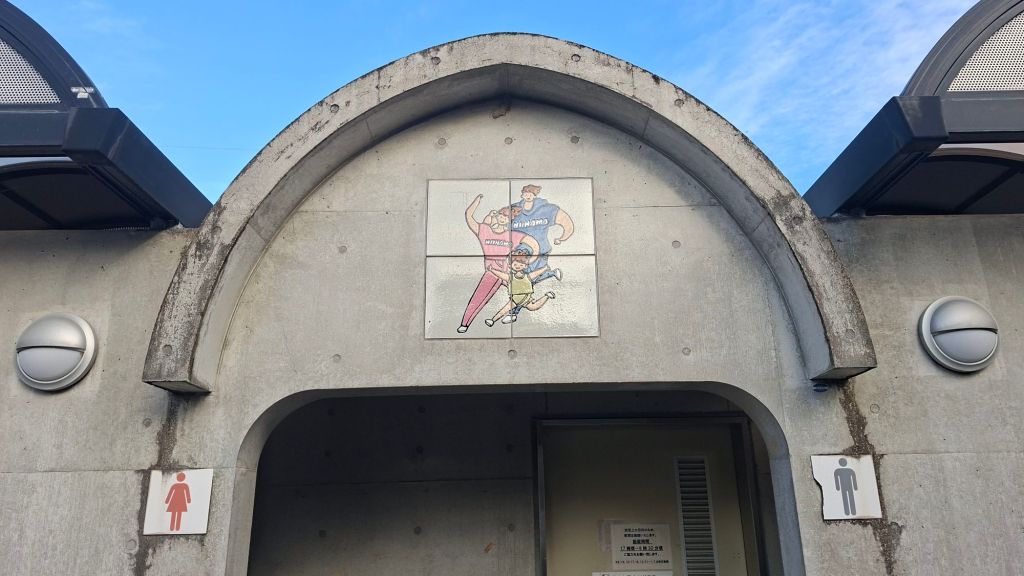

The local bus deposits me close to my inn. The owner of the inn is taken aback that I have a Japanese discount card, which Hiro had put in my guidebook and told me to present when I got to this place. It’s a special deal for half board. When I say it was given to me by a friend I met in Spain, the owner is even more surprised. I don’t explain that he actually handed it over to me in Osaka.
At dinner, it’s just me and Jesse. This is the first time I’ve spent an evening with him, or in fact with anyone who isn’t Japanese. He turns his chair around, as they’ve all been set out train-like, facing the television, and tells me about primary school teaching in Australia. The same issues, it seems, but at least it’s better paid.
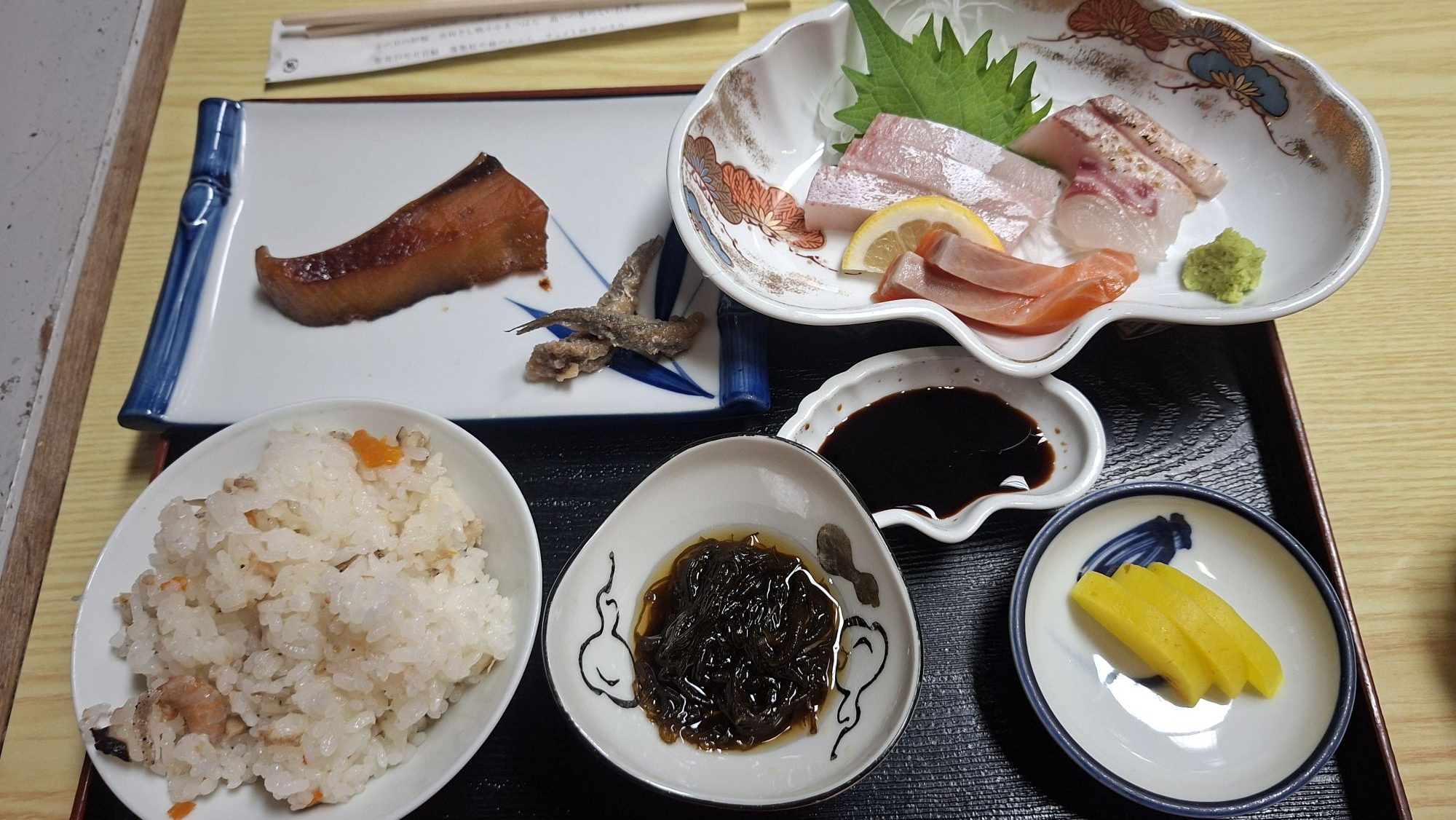
Every single thing on my tray this evening is delicious. And it’s all fish. I don’t know what the owner here does with the seasoning, but she’s got magic. My conversion is underway.
I retire to my room. It’s a Western-style bed. I love my futons, but my knees are as happy as my stomach tonight.


Leave a Reply