Home to Santiago – Day 71
Tapia de Casariego to Vilela: 19km
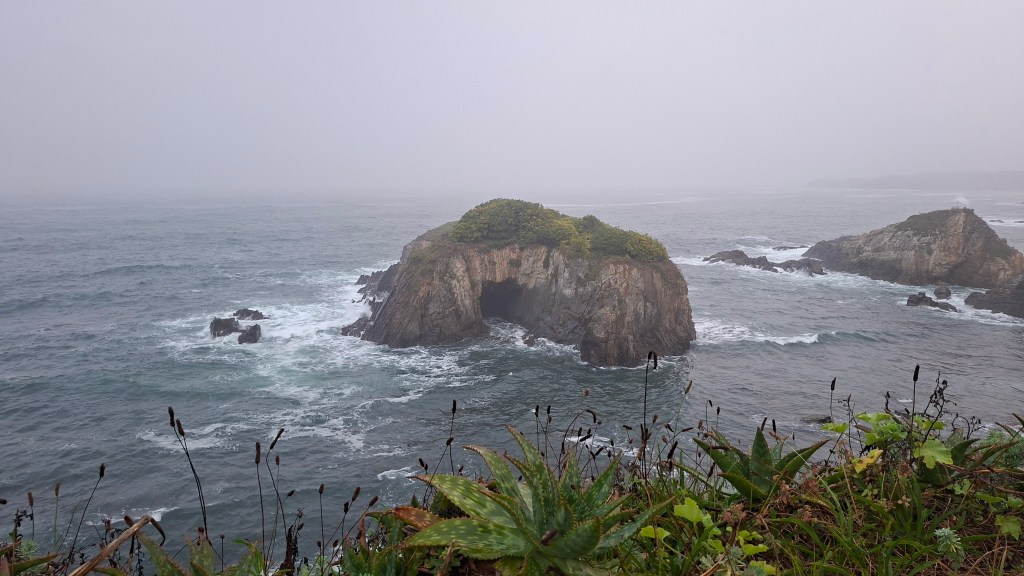
It is rare that I write a whole day in retrospect. But my short stage and rest plan for Tapia pleasantly misfires. I go to bed at the ridiculously late pilgrim time of 11 p.m. without doing my homework. It’s nice to have a “Jó éjszakát” last thing at night, and a “Jó reggelt” first thing in the morning .
Bernard and I are competing to be the last ones out and end up leaving together. Today will be another predominantly French day. Or so it seems.
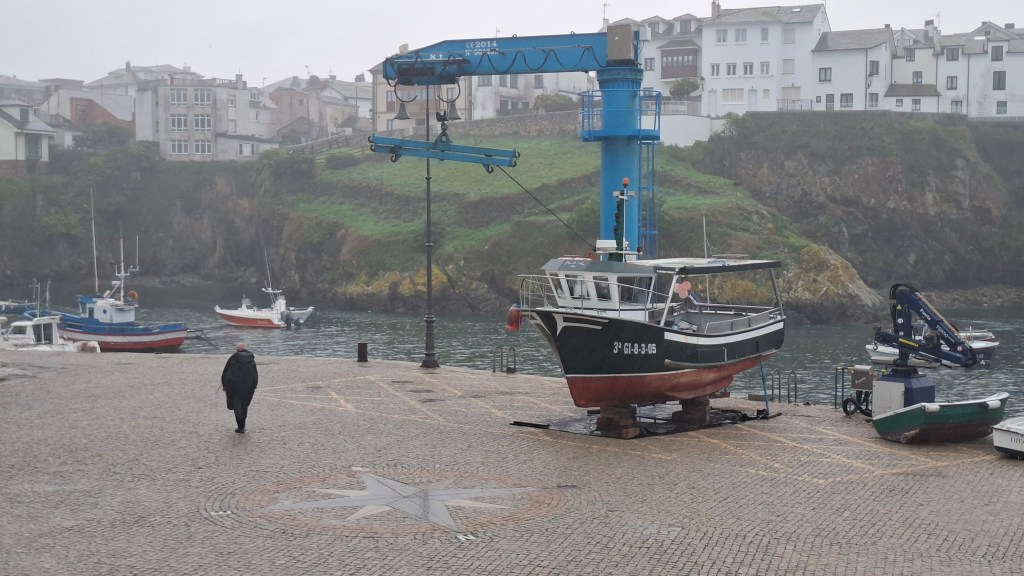
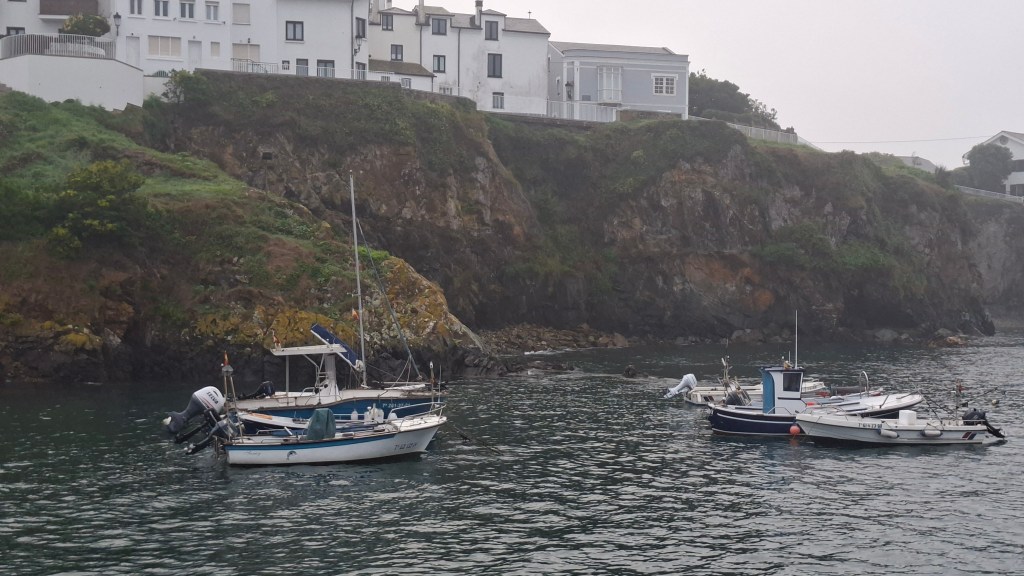
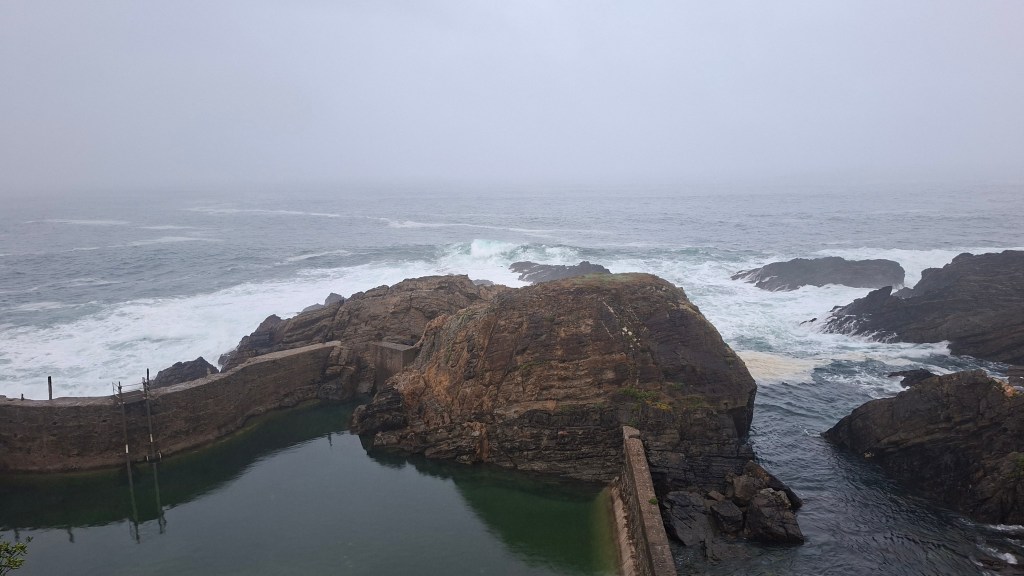
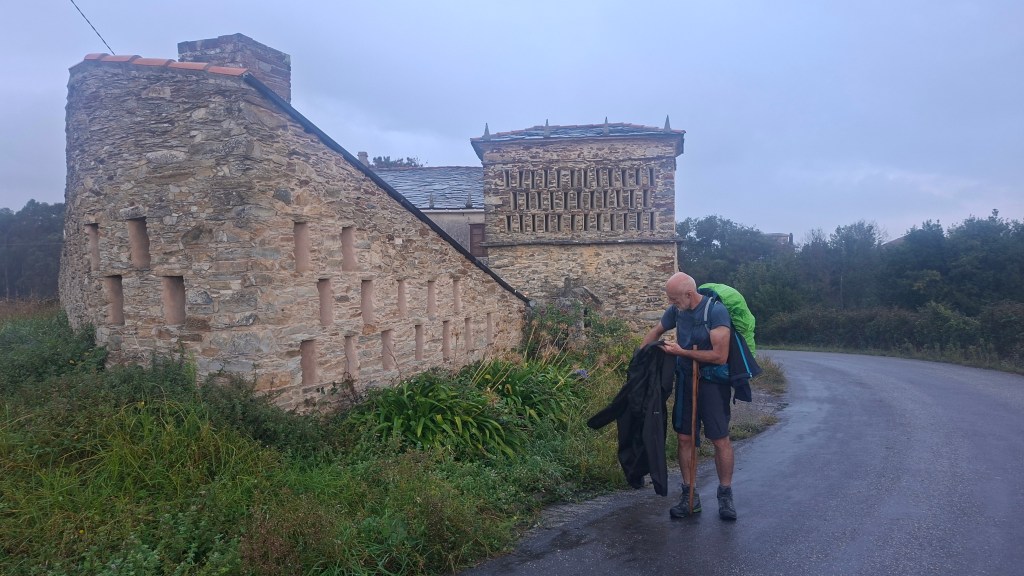
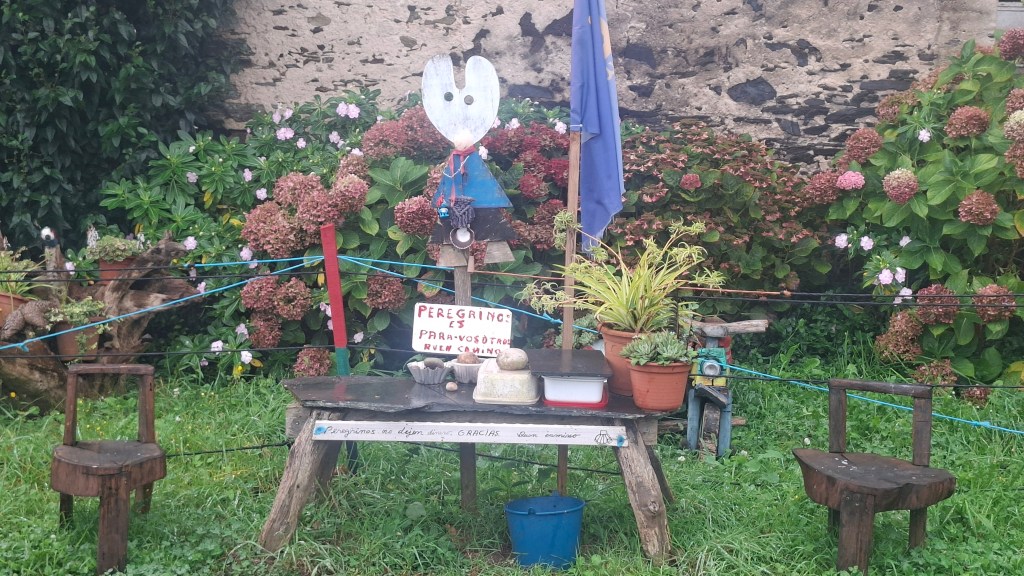
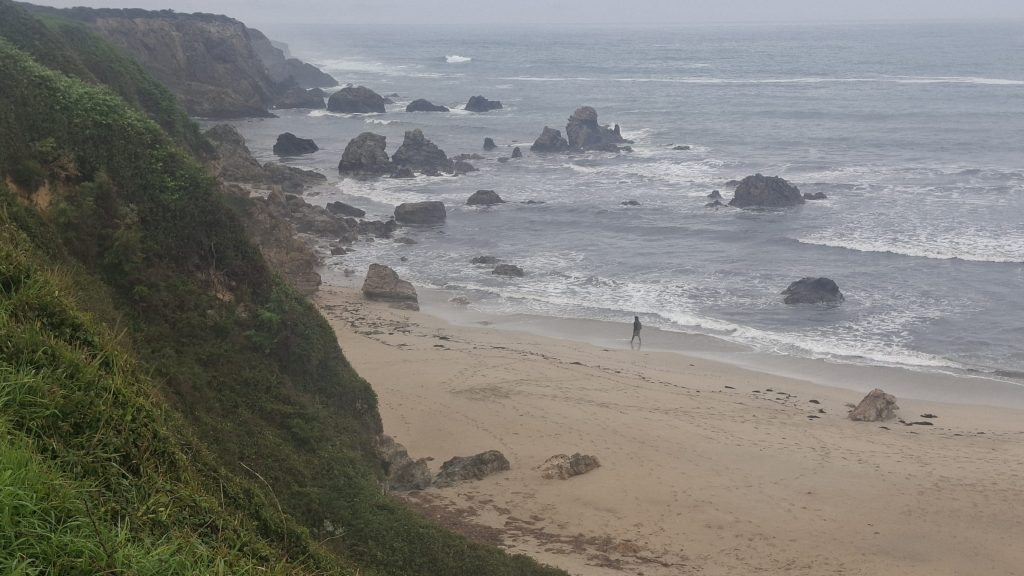
We out along the coast, past the beautiful beaches of Tapia, which I missed yesterday. And then, eventually, just before the coast is about to run out, we stop at a café up above the last proper beach for second breakfast.
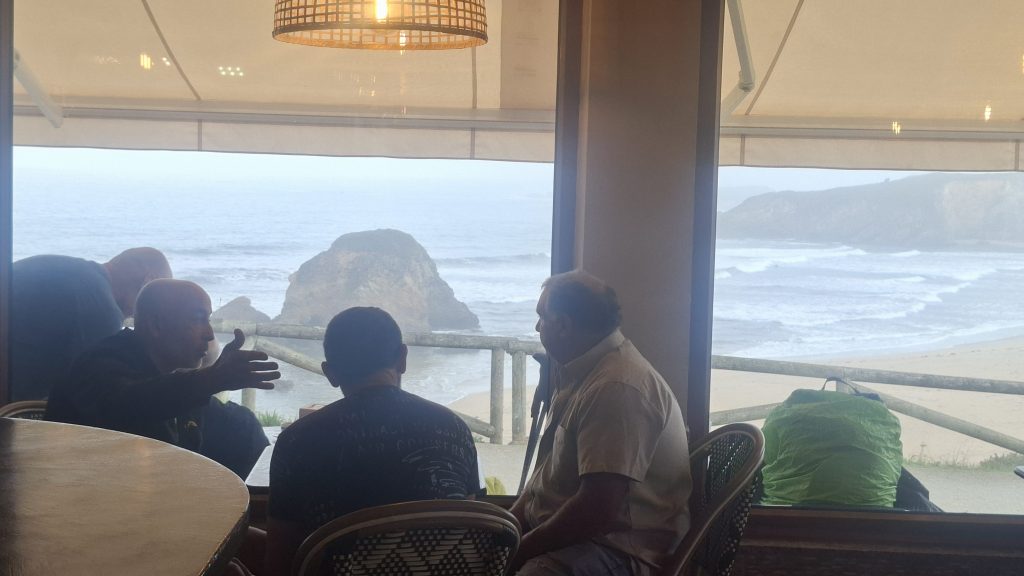
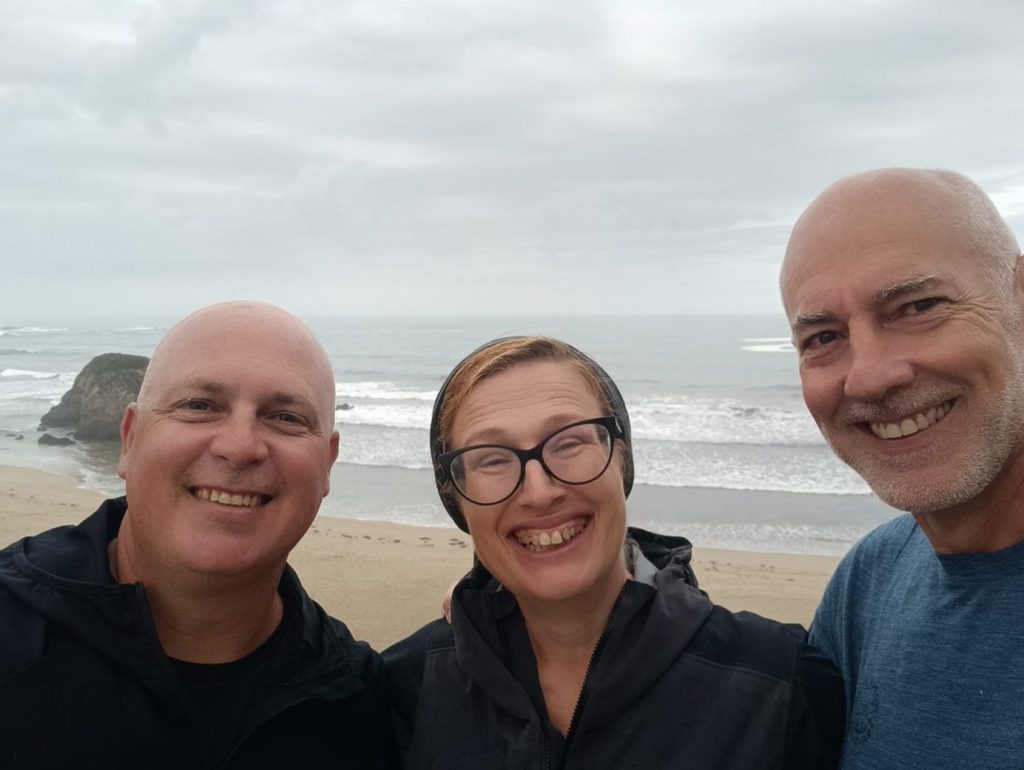
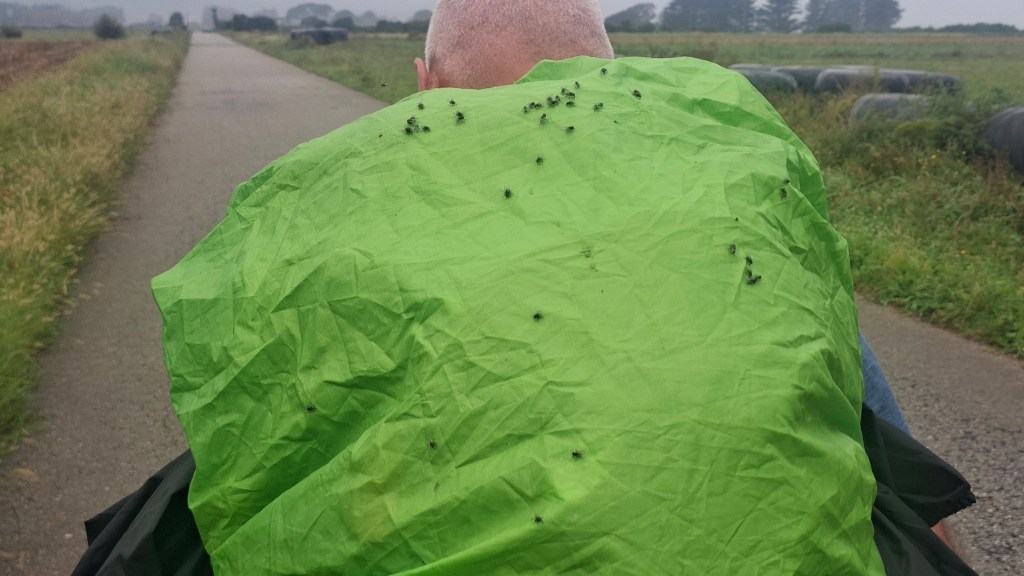
Outside, we sit down with a figure who’d we’d been passing on the route. I could have sworn he was Scottish, but he is in fact a Argentinian, Ricardo, who later we’ll discover is the director for the largest regional transport company in the country. But at this point, and in fact at every point, he’s just another pilgrim. Just not Scottish.
Although Ricardo speaks perfect English, we settle on broken Spanish as the language of the hour, and happily walk together into Ribadeo. Bernard has decided he’ll continue on. Ricardo gets a call from work, reminding him he’s an important person after all, and needs to stay behind to sort stuff out. I suspect he will end up walking late and passing us during the night.
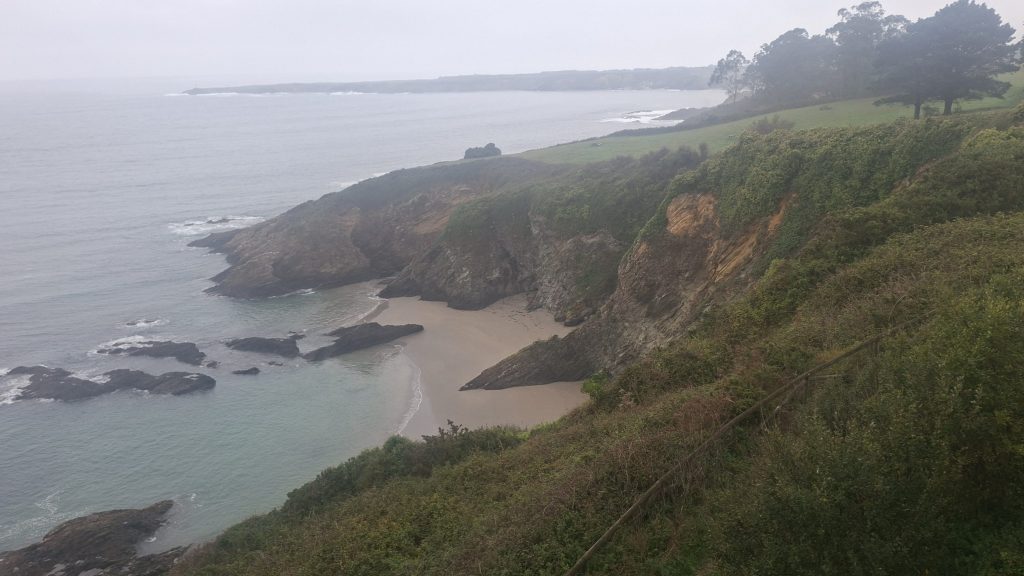
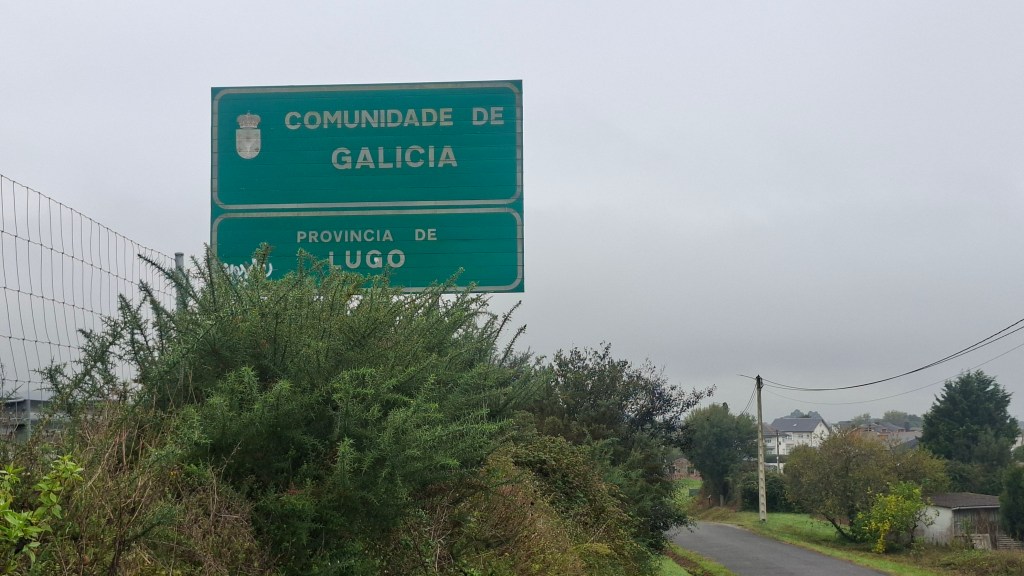
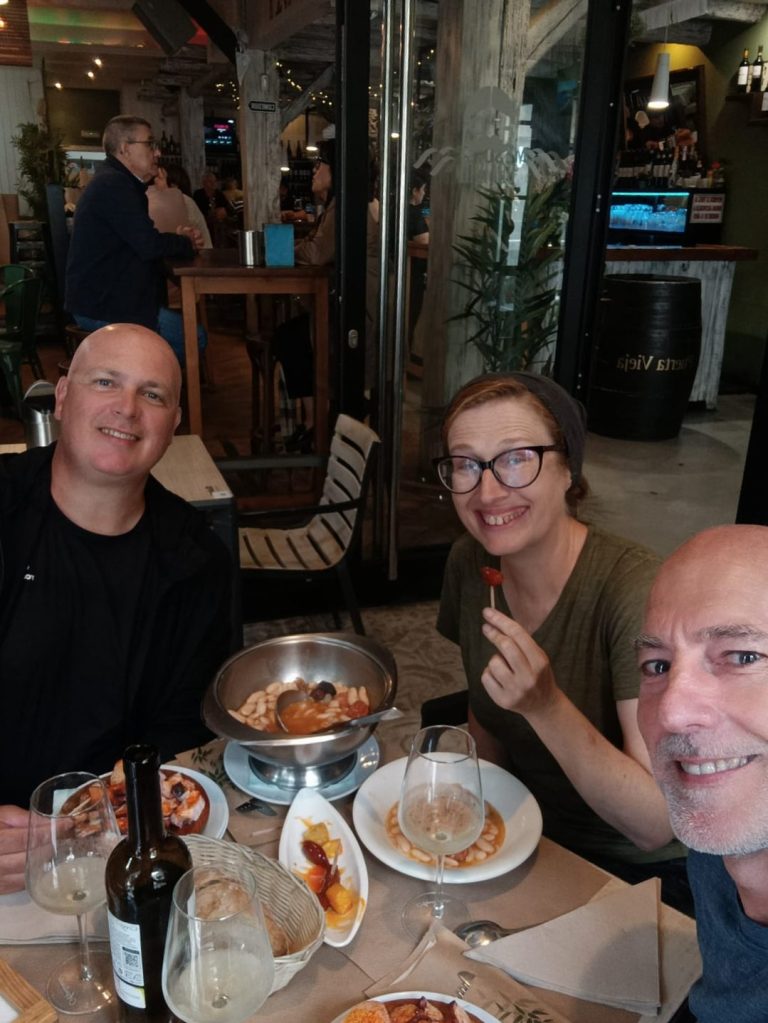
But the three of us together sit down for our first meal in Galicia: octopus for them, fabada, a nostalgic Asturian dish, for me, and an excellent local wine. Within a matter of hours we are become three friends having lunch.
During lunch, I phone up the albergue in the next to check there are places, and the phone is immediately handed over to a pilgrim.”Jó napot, Rachel” says Márkus down the line, and so my first albergue reservation in Hungarian is complete.
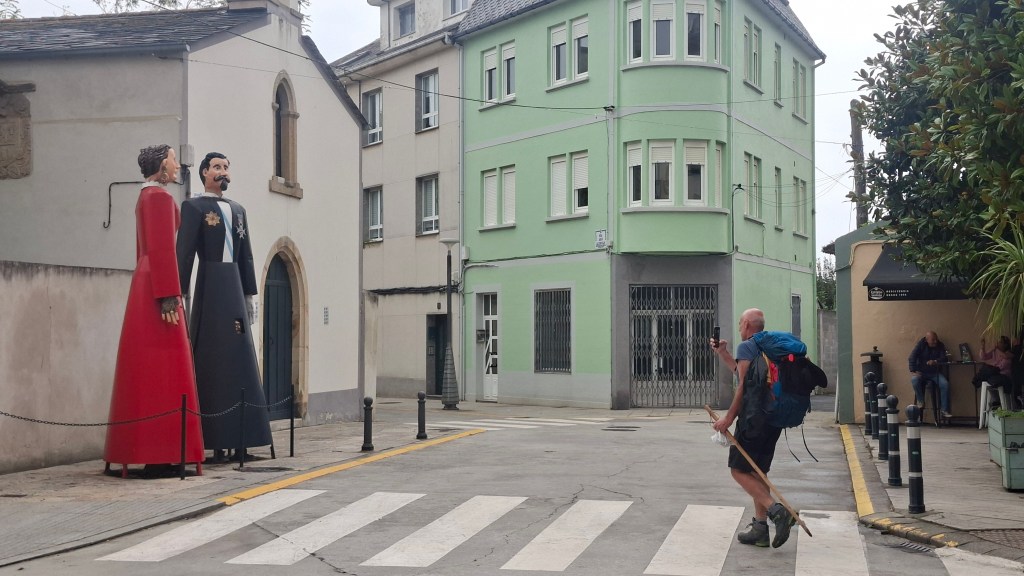
It’s an uphill walk from Ribadeo to Vilela, where we’re staying. I point out to Bernard, as the hill and the humidity takes its toll, that’s just the merino doing its work and pulling the sweat away from us.
We have agreed to pass the time talking about our grandmothers. But before he tells me about his, Bernard tells me there is an important preface. It is about a young woman he met, much younger than himself, who saved him during a very low point in his . I wonder why he emphasises her age, but it’s not for the reasons I think.
Then he tells me the story of the grandmother he never met, his father estranged from his family, strange coincidences, voices from beyond the grave. He then shows me a picture of his grandmother, which he saw for the first time at his father’s funeral. “When I saw the picture, a shiver went down his spine. It was her face. The face of that girl who saved me”.
There are a few moments of silence before I add, “So, you dated your grandmother?”
“Yes I suppose I did”.
I tell him my grandmother story can wait until tomorrow.
We arrive at Vilela. Serge is standing at the back door, another Frenchman. I hand over Bernard, telling him he has no need for me anymore. But I’m not disposed of.
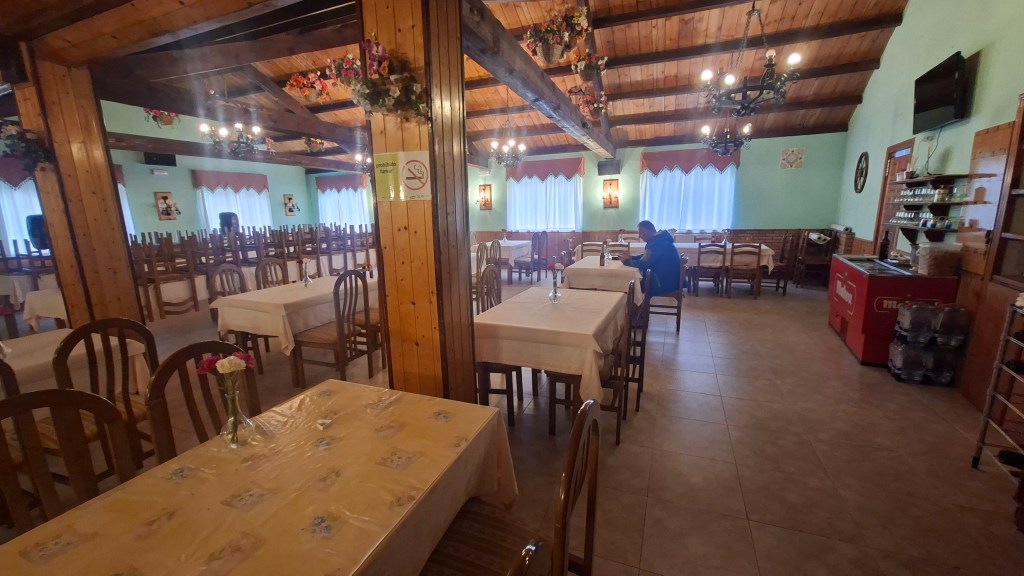
The albergue is the back of a bar which feels unchanged for generations. The owner, seems slightly uneasy with having guests, but he laughs, pointing to the washing line and the swimming pool, as the drizzle continues and the mist rises from the mountains beyond.
But all is good. There is Márkus, Serge, and Sarah who was also at the albergue in Tapia, but asleep . The place is half empty and enough for all of us to have a bottom bunk and a bunk in between.
At dinner, we disturb poor Márkus, who’s sitting on his own in the restaurant, texting his family. He stops because he’s too polite to use his phone at the table. As I’m sitting diagonally across from him, the conversation moves in strange directions between French and Hungarian until eventually Sarah, the American girl, appears, and in contrast to last night, is a very present presence.
She’s fun, a little crazy in a good way, full of chat, keen to learn a few words of Hungarian, from the ever-patient, ever-good-humoured Márkus, keen to talk, whatever language is being used. And I’m quite pleased, which is surprising for me, to use my own language just for a bit.
I look around. This whole new cast is the work of less than a .


Leave a comment