Home to Santiago – Day 68
Playa del Silencio to Lluarca: 25km
I have a similar feeling walking away from the view over the Playa del Silencio as I do when I’m walking away from an all-you-can-eat buffet. And suddenly I realise I have been given the perfect example for teaching the difference between have to and must. I don’t have to walk away, but I must.
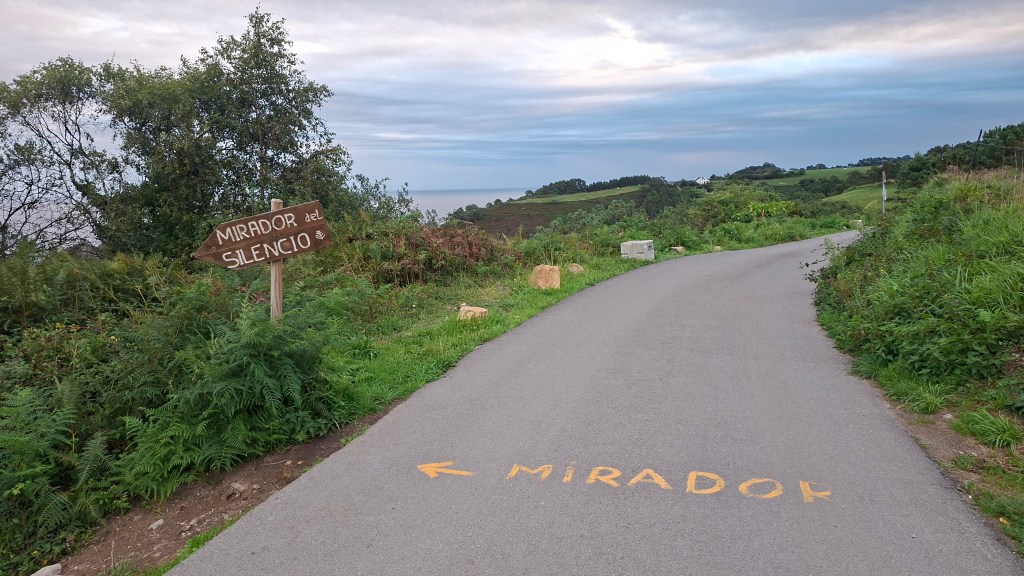
The first hour and a half of today, I’m a very non-present pilgrim. But I have work to do. Today is the day I must make the advance booking for my bus from Namba to Matsuyama to start the Shikoku pilgrimage.
I have great difficulty negotiating Japanese websites to make this booking hapoen. I ask a friend, who calls me back, and although they have no more luck than me with this task, they do save me from an absent-minded error.
While trying to book, I’ve wandered onto the wrong path, the start of a steep hill on the wrong side of a valley. But because the signal is bad, I’ve had to stop near the top to have the conversation with my friend. A group of Spanish men have confidently followed me down and overtaken me while I stood in my signal spot. As I finish the call, five minutes later, they all come trooping back, telling me it’s the wrong way.
I spend an hour on the top of the next hillside negotiating the booking system in Japanese with a mixture of Google Translate and educated guesses. I think I have a more than fifty percent chance of having registered myself female, on the presumption that the first option will always be male.
When I send the confirmation email to my lovely friend Hiro, who has gone to extraordinary lengths to make this Japanese pilgrimage possible, he replies to congratulate me on having booked successfully, and he also tells me he was on the verge of booking it himself. I suppose I should be pleased that I managed it independently. I suppose.
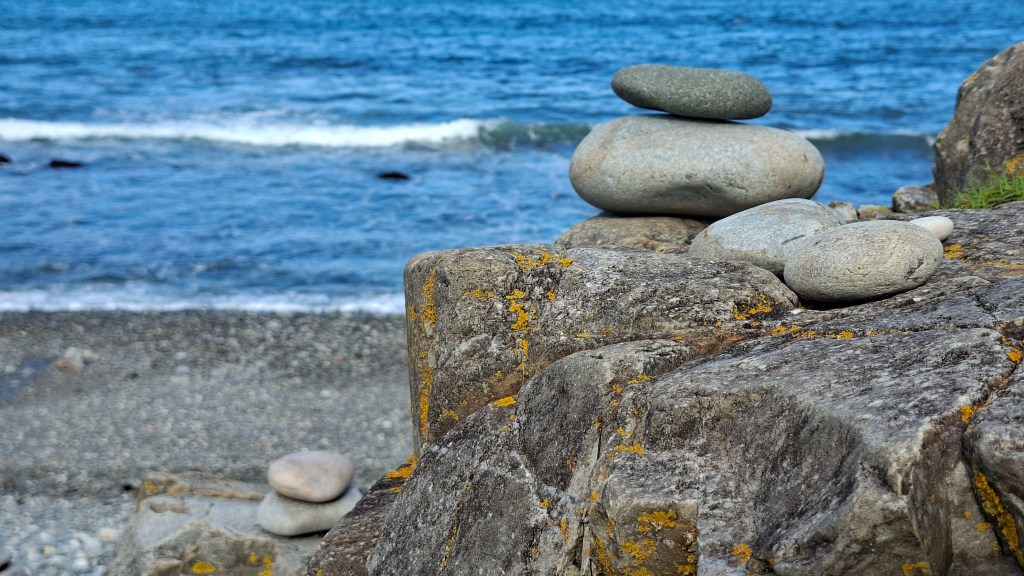
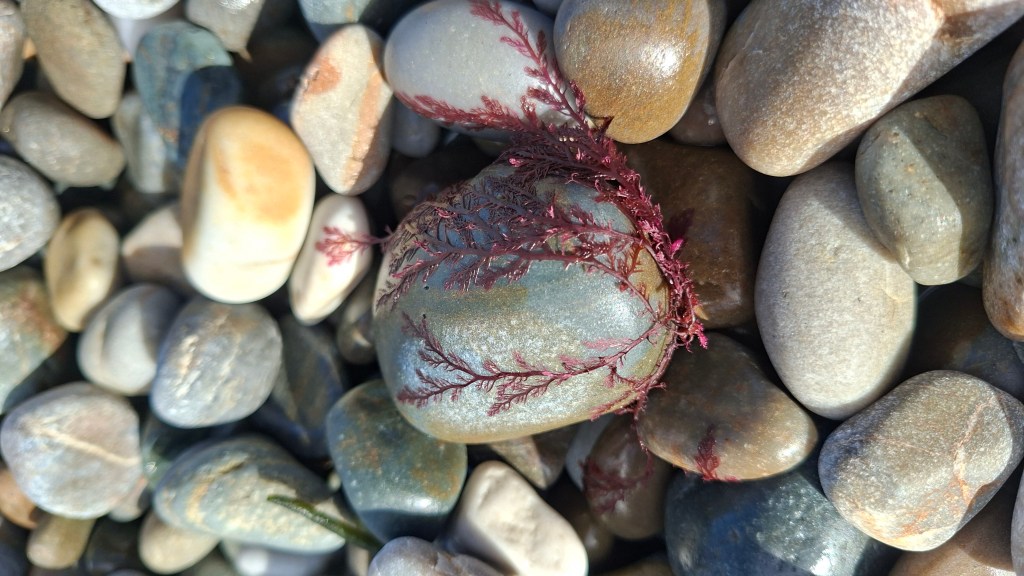
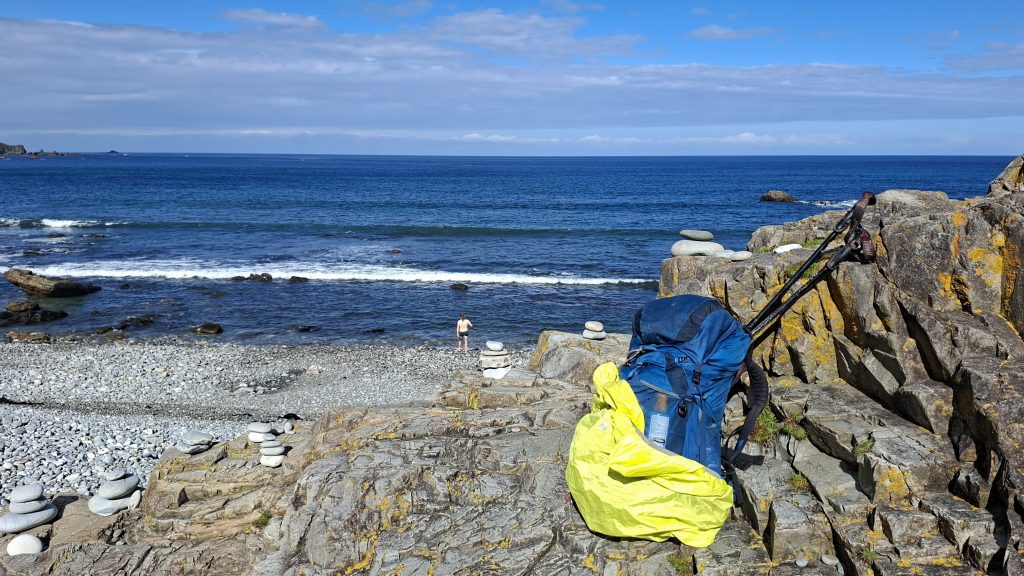
I’m so behind by the time I’ve managed all this that already new pilgrims are overtaking me. While I’m sitting on the rocks on a beautiful pebbly beach, contemplating how much pilgrims like piling stones on top of each other, I am joined by Fabian from Hannover.
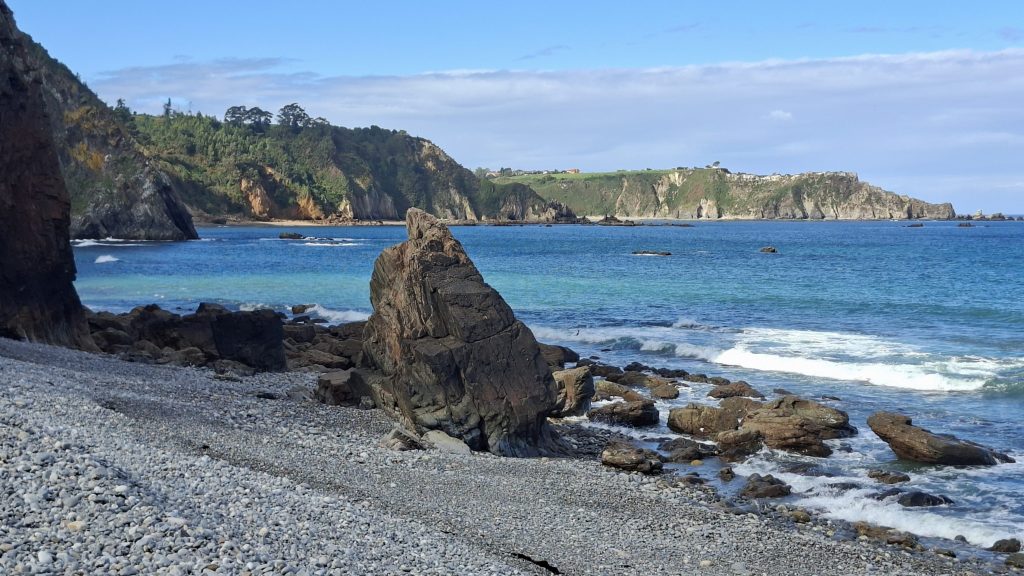
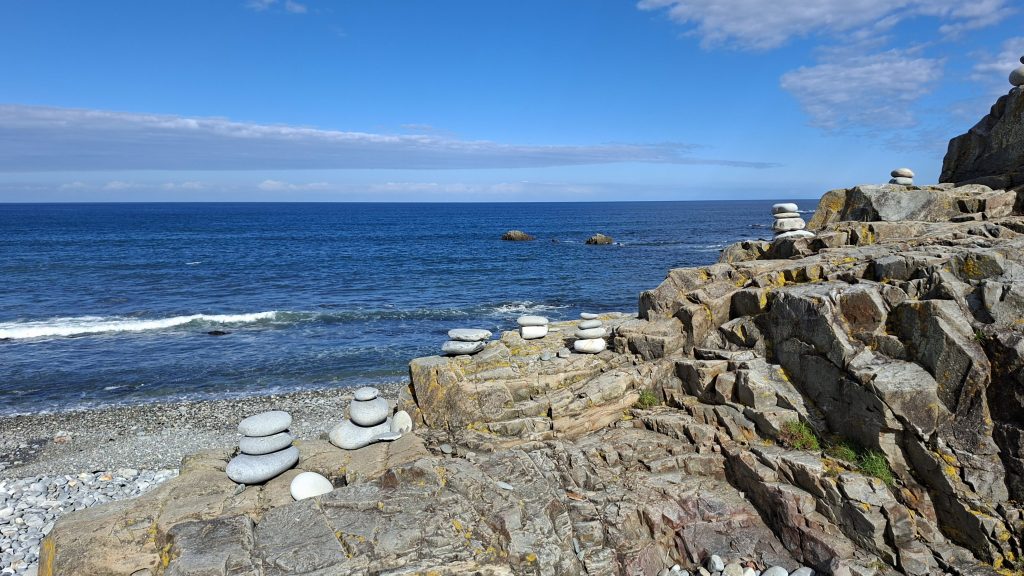
Fabian decides to go for a dip, and I take some pictures of him walking towards the water, at his request. He says he’s been going to make a collage with all the yellow arrows of the Camino, but he hasn’t decided what they should be pointing to, the cathedral perhaps?
“They should all be pointing to you,” I say.
“Yes,” he agrees, “to me, walking into the sea.”
As I’m packing up to go, I see him stepping tentatively into the sea on the rocks below, shivering, stumbling. I wonder if he feels compelled to go ahead because he said he’s going to do it, but there is no Schadenfreude on this occasion, just a small sense of guilt that I should have told him it would be okay to back down.
As I’m leaving the beach, much to my surprise, Leon, the young Japanese man, who I’ve been told had gone on the Primitivo, suddenly appears. Apparently, he went to Oviedo to have a look and then came back. If only I’d known, I would have remembered the “good to see you again” phrase I’ve learnt.
I look at my watch. It’s half past twelve.
And he says, “Yes, konnichiwa.”
As we go up the hill, he soon overtakes me with an “arigato”, but I don’t know if he hears me or chooses to ignore me as I shout out, “but what do I say in reply?”
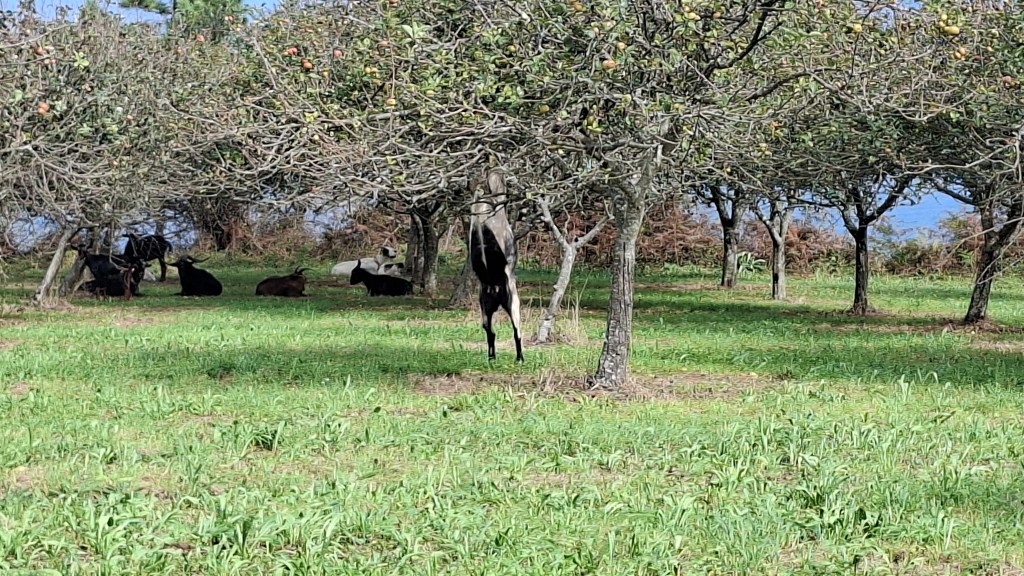
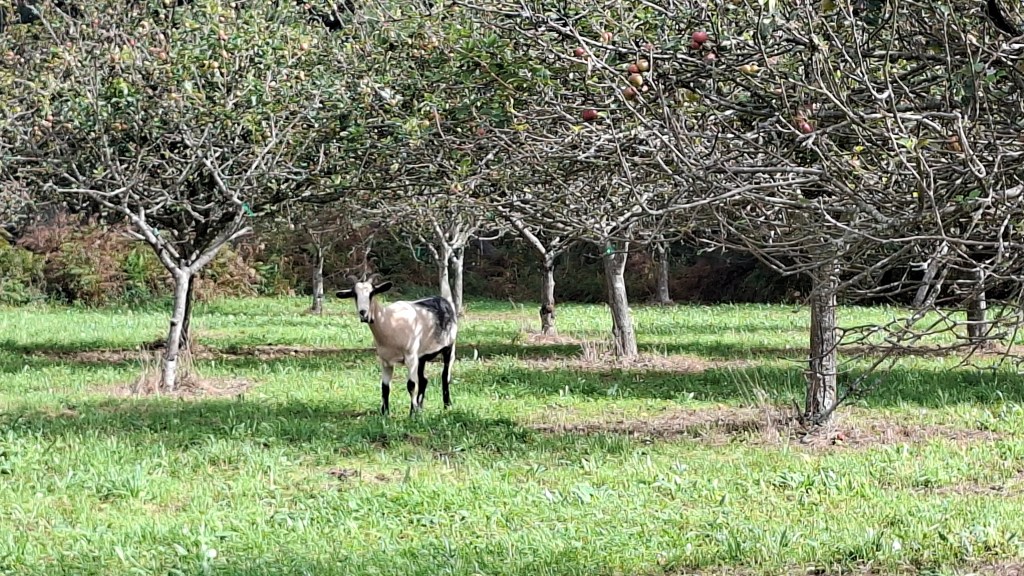
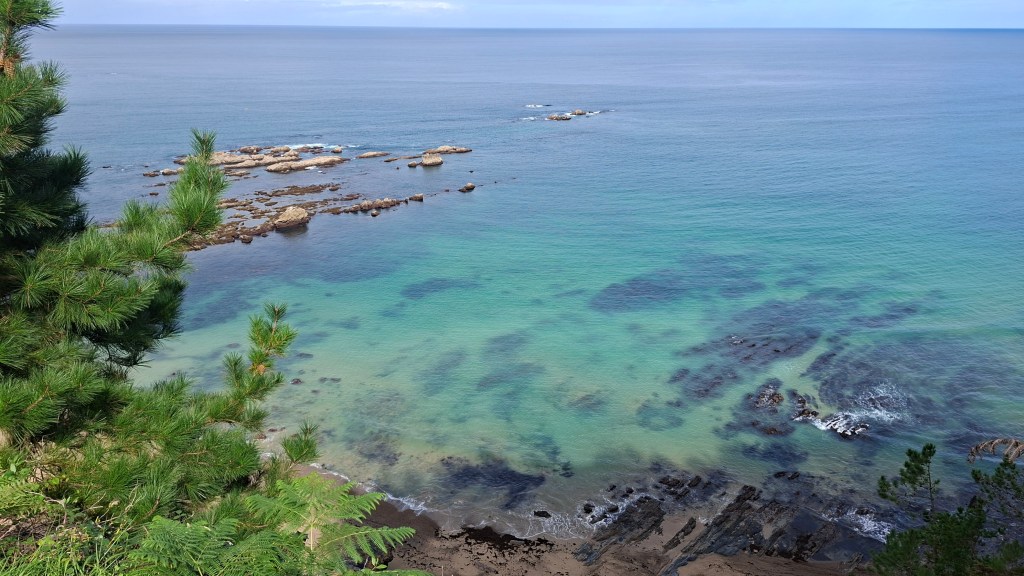
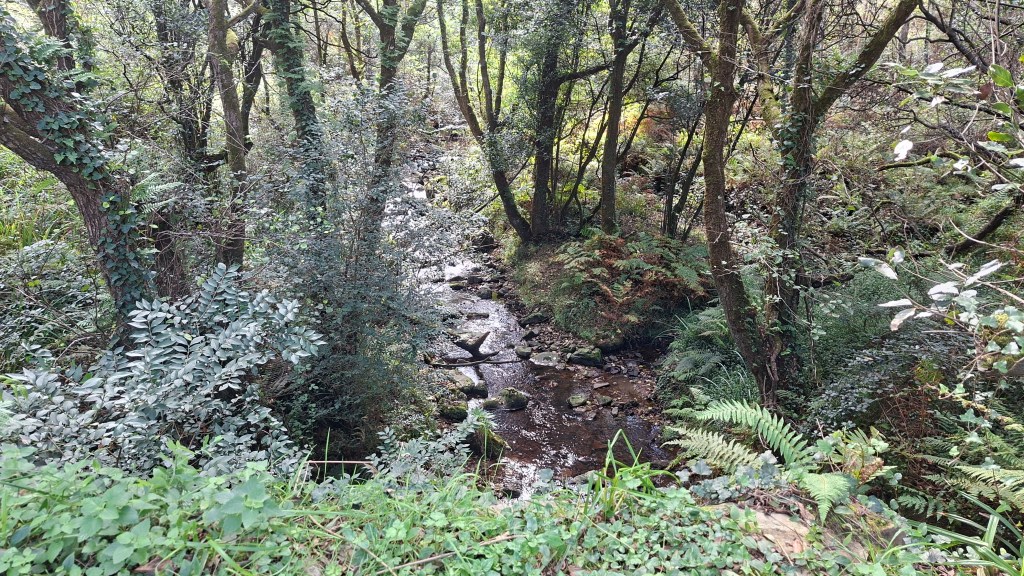
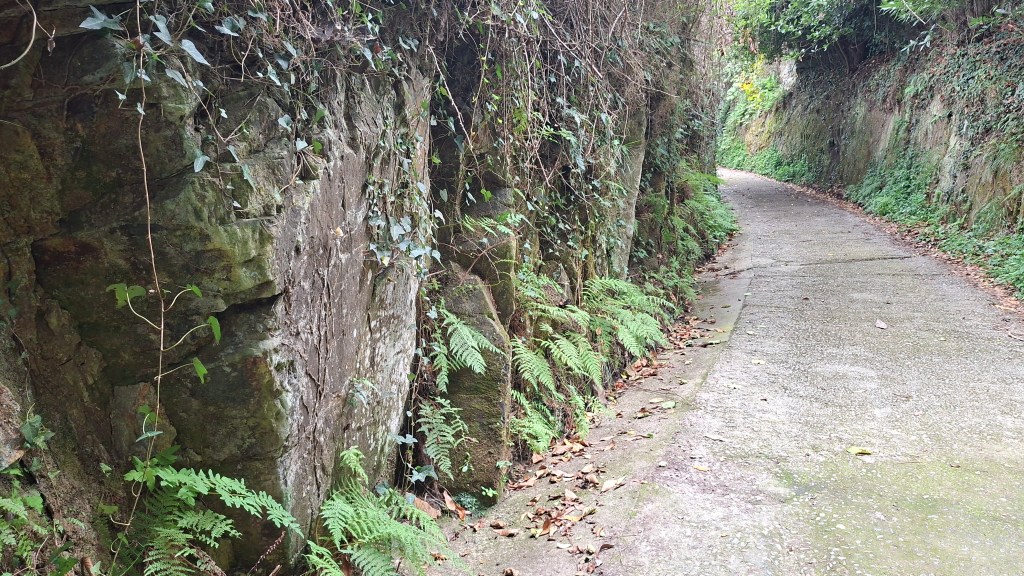
Just a few hundred metres inland. Everything seems so level and domesticated and unintimidating. I can see the sea across the field to your right, but I can’t imagine the cliffs and the drops and the waves on the rocks just beyond. Yet all that geology is going on underfoot. It just hasn’t been exposed. I walk up a lane with rocks on either side. I think they’re just the same as those terrifying rocks, sticking out into the sea, the waves crashing against them, spelling certain destruction, but here they are, covered in moss, in a little country lane. Not scary at all. Same rocks, different circumstances.
I’m walking super late, so I listen to some podcasts. I practise Lesson Three of beginner Japanese, which tells me all too late how to say “you’re welcome”.
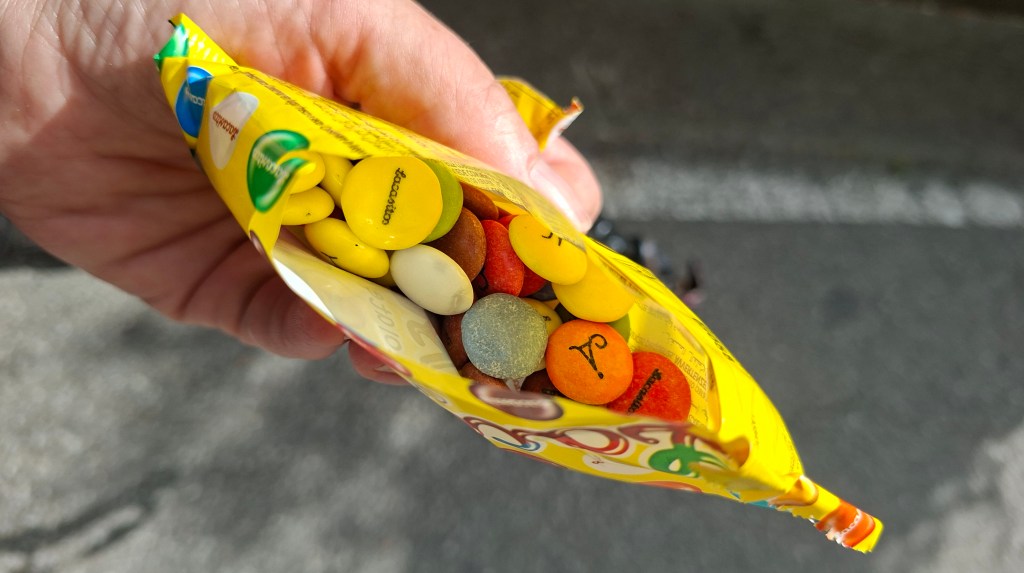
I see a bar restaurant by the side of a road, and outside is the shushing Japanese pilgrim from Aviles. I get a coffee. When I come out, he indicates that I can sit with him. So, Yoshi and I put the past behind us and become the best of friends after all.
He’s tired. His leg hurts. He’s carrying a 20-kilogram bag, and he tells me, “It is because of all my instruments!” He is carrying a Colombian flute and an ocarina. And he shows me his YouTube channel, where he plays a host of other instruments and sings in at least four different languages.
And then, to crown it all, he offers me some of his omelette. I say thank you in Japanese, and he says, “You’re welcome,” in return. I recognise the phrase, and he repeats it for me slowly.
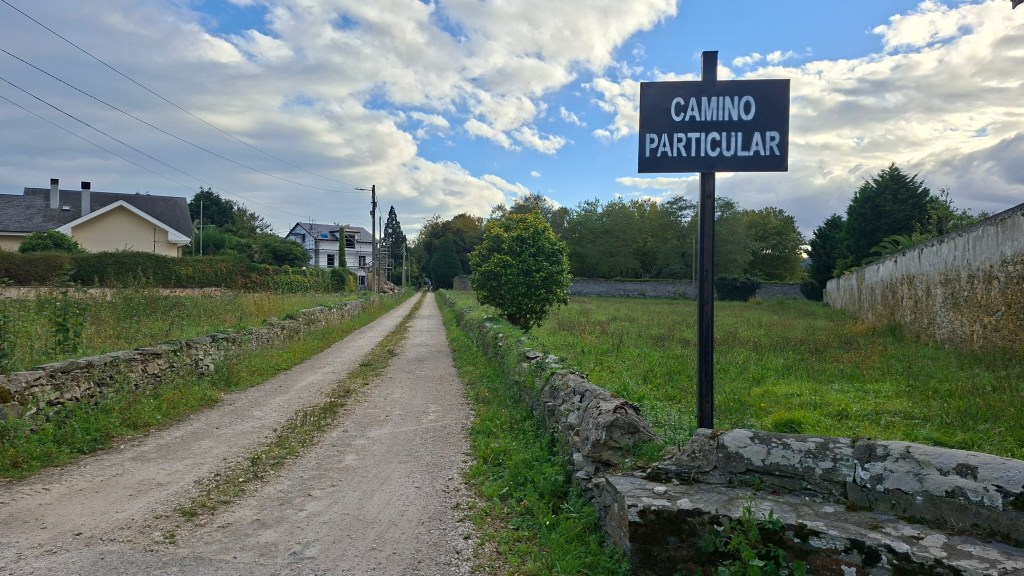
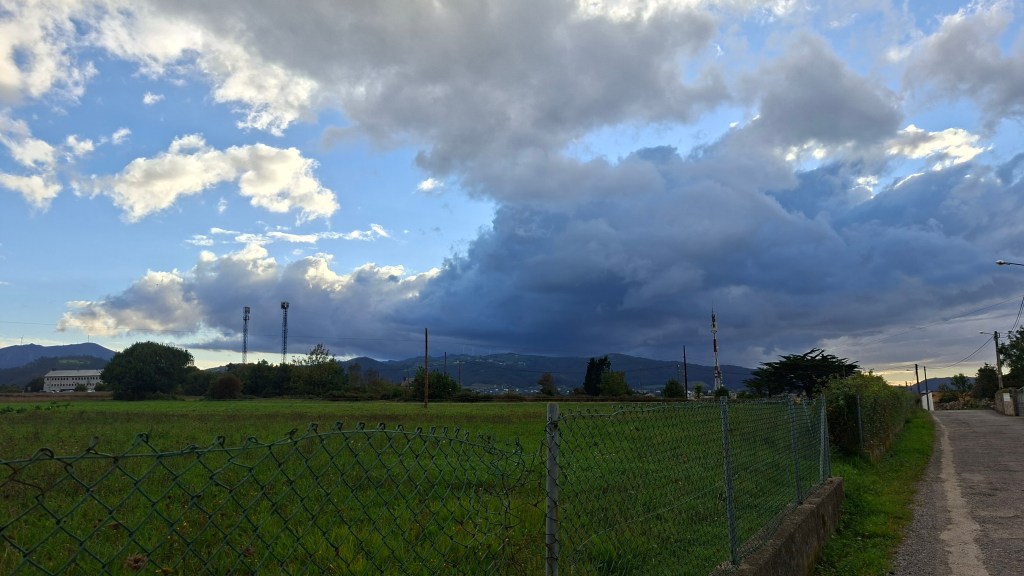
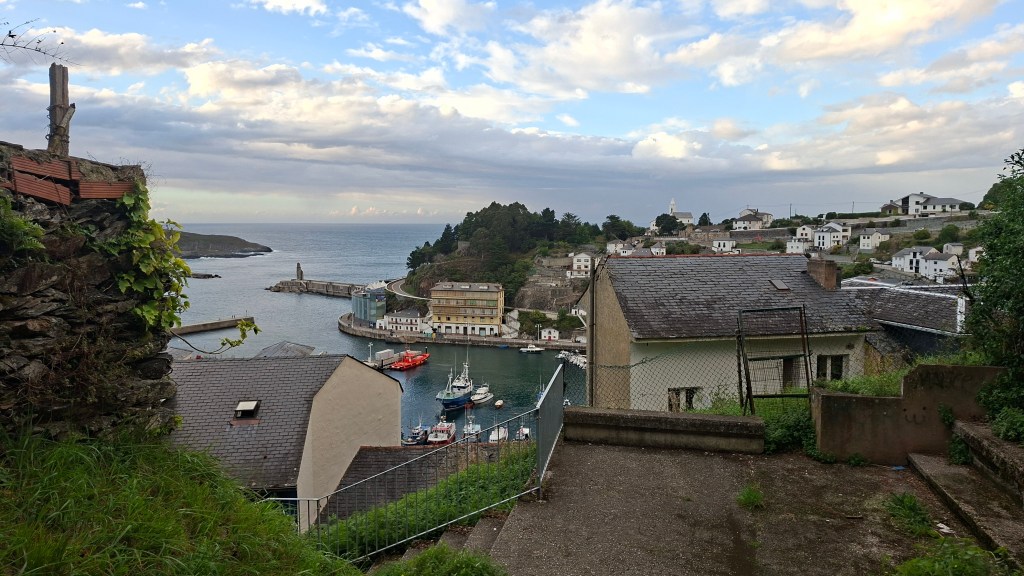
As always, one massive hill at the end, before descending to the pretty harbour town of Lluarca. The familiar, but much reduced, band of pilgrims is there. I have energy for little more than the supermarket. Yoghurt and shandy. Heaven.


Leave a comment