Home to Santiago – Day 65
Gijón to Avilés: 27km
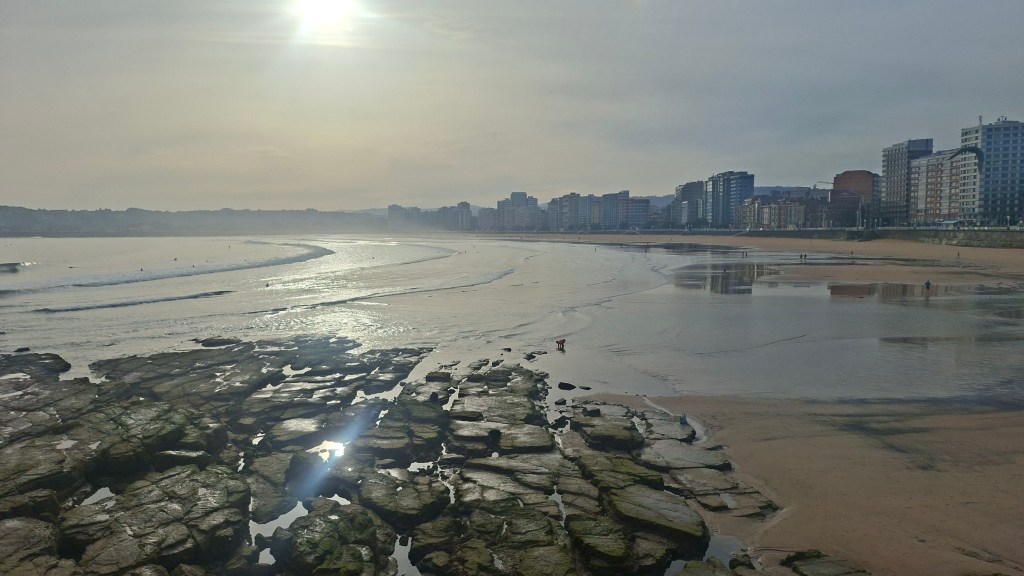
I’m really enjoying Sunday morning in Gijón, after my glorious lie-in until 9:30. I can’t rush today. I walked so fast yesterday in my excitement to get to the hotel that I risked over-stretching a tendon in my foot. So I’m going to do the sensible thing, walk slowly and pay the consequences if there’s no bed at the hostel in Avilés, I’ll work something out.
Having made that decision, I’m enjoying everything. There are no gift shops or perfectly preserved houses. It’s open to visitors if they want it, but everything seems to function for the people who live here. There’s a walk for cancer taking place along the massive seafront promenades, and runners everywhere. There are two beaches, a little peninsular between them with the church, a harbour.
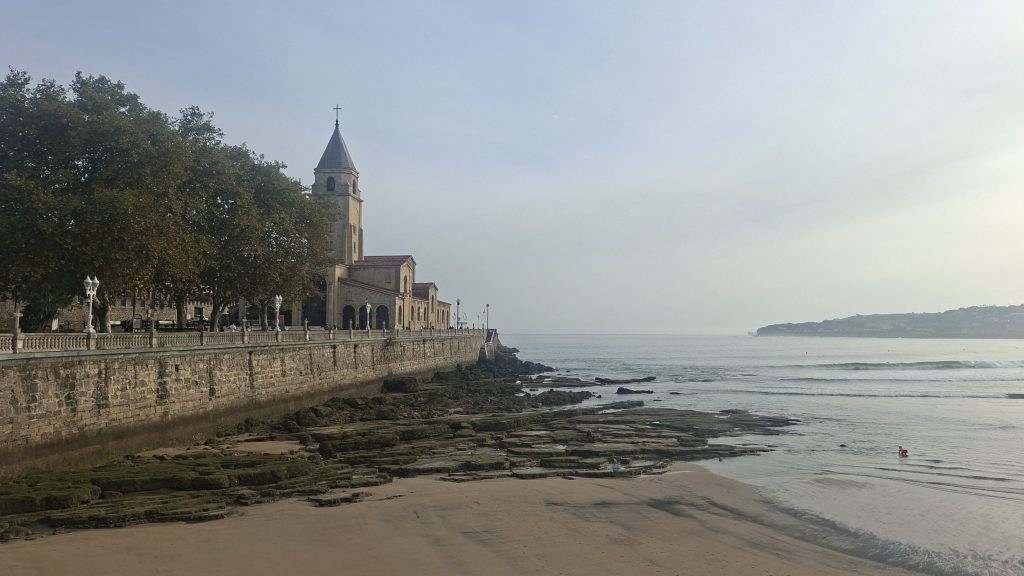
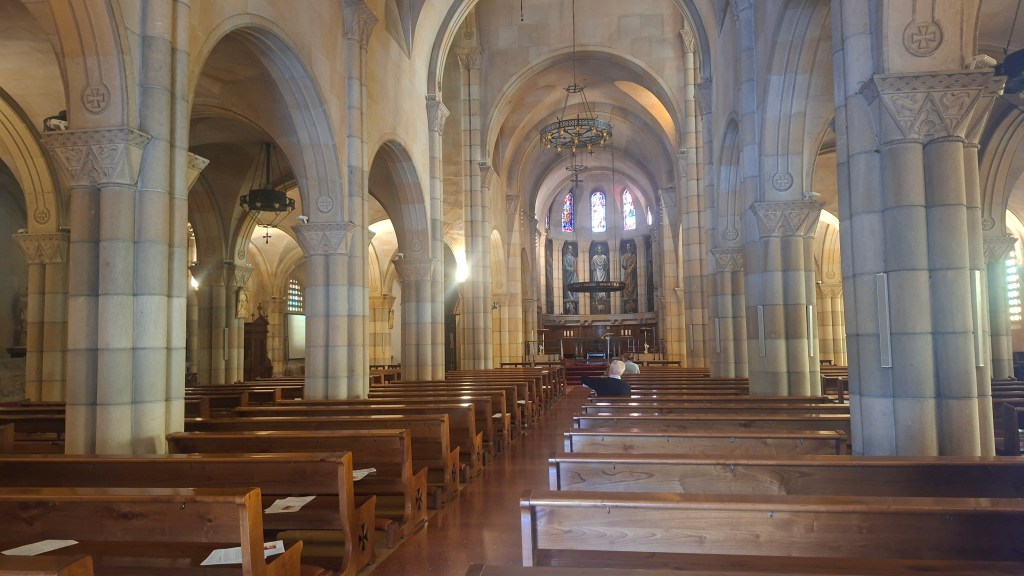
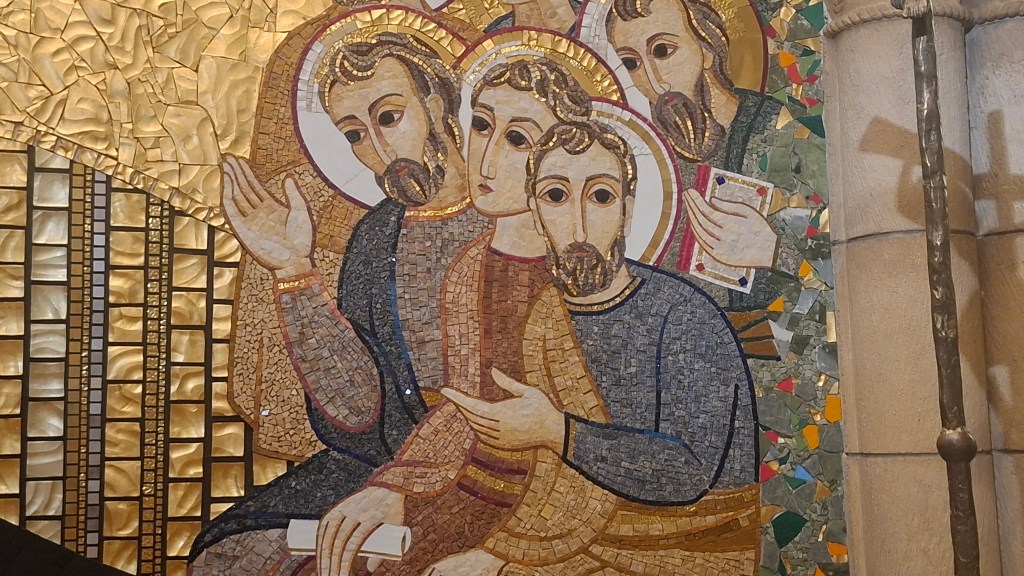

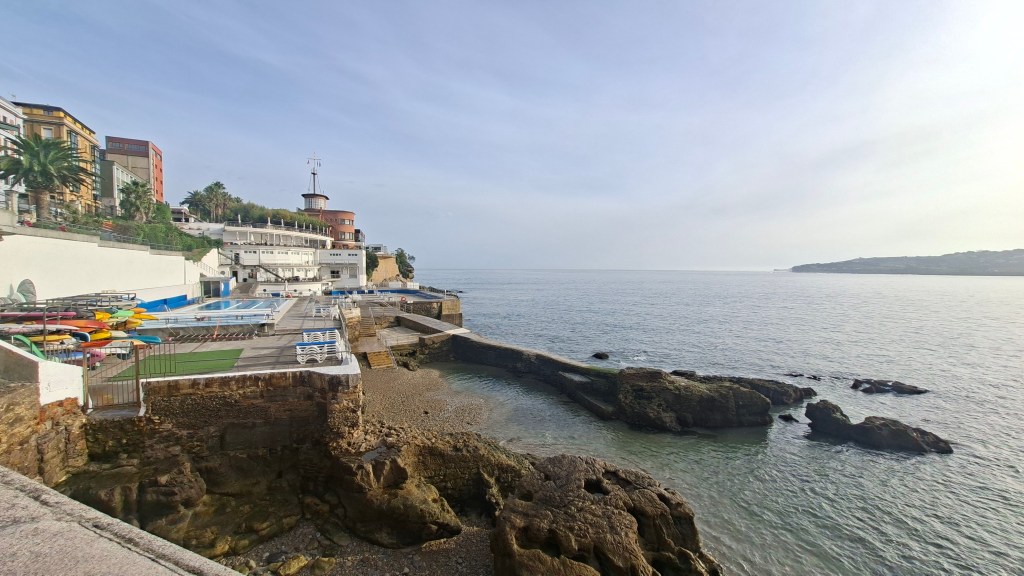
So many places en route I have been told I couldn’t miss, and people have stayed extra days because they were so beautiful. But no one mentioned Gijón. It’s just described as an unexceptional city on the way. Maybe that’s why I liked it. Maybe because it’s normal. Maybe because I’m contrary.
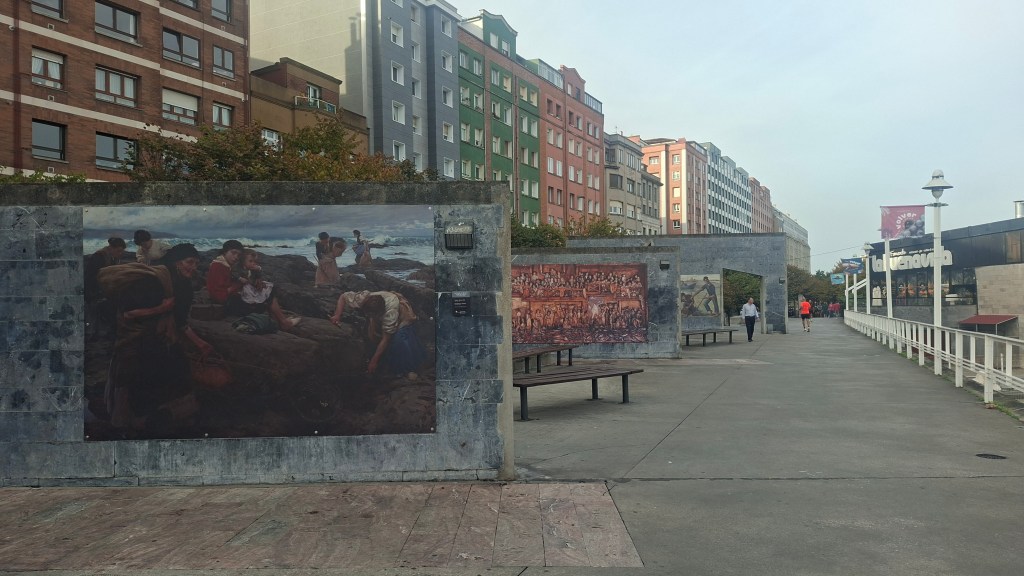
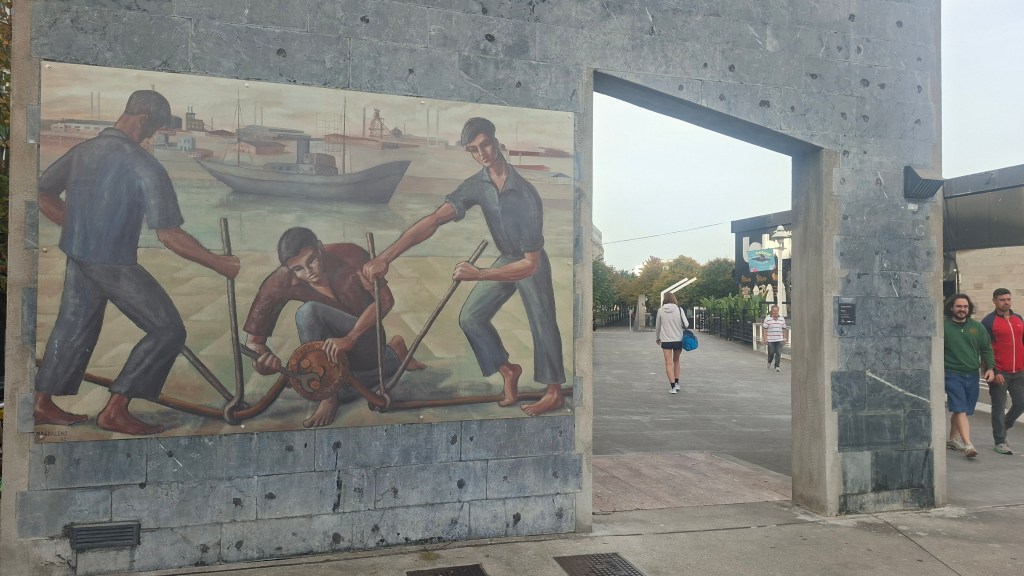
The seafront promenade turns to a neighbourhood boulevard, turns into a main road leading out of town. One last blessing from Gijón: a man drives by, his window wound down, and shouts out, “¡Buen Camino!”, looking back and waving to make sure I heard. Luckily there is no oncoming traffic at that point.
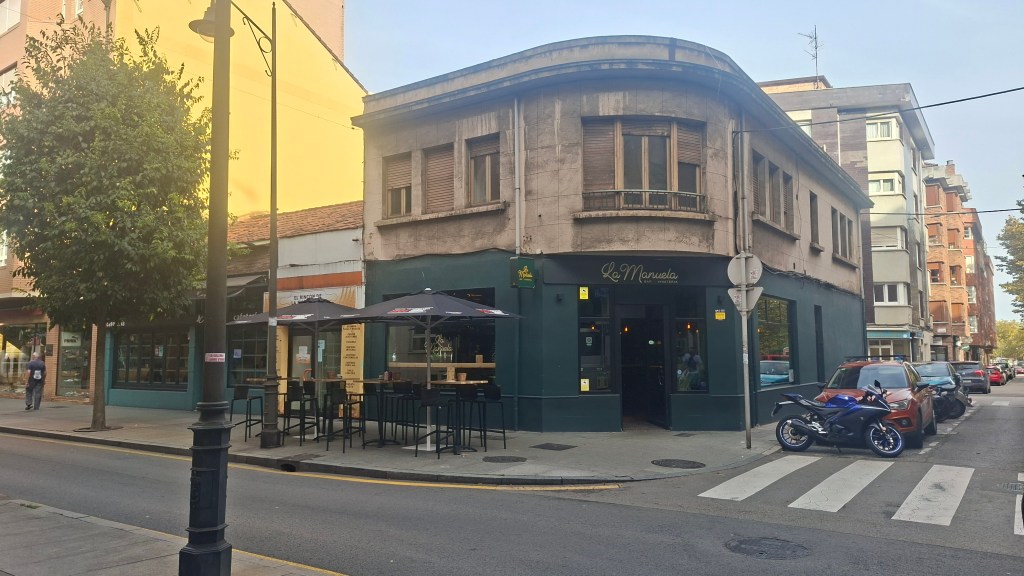
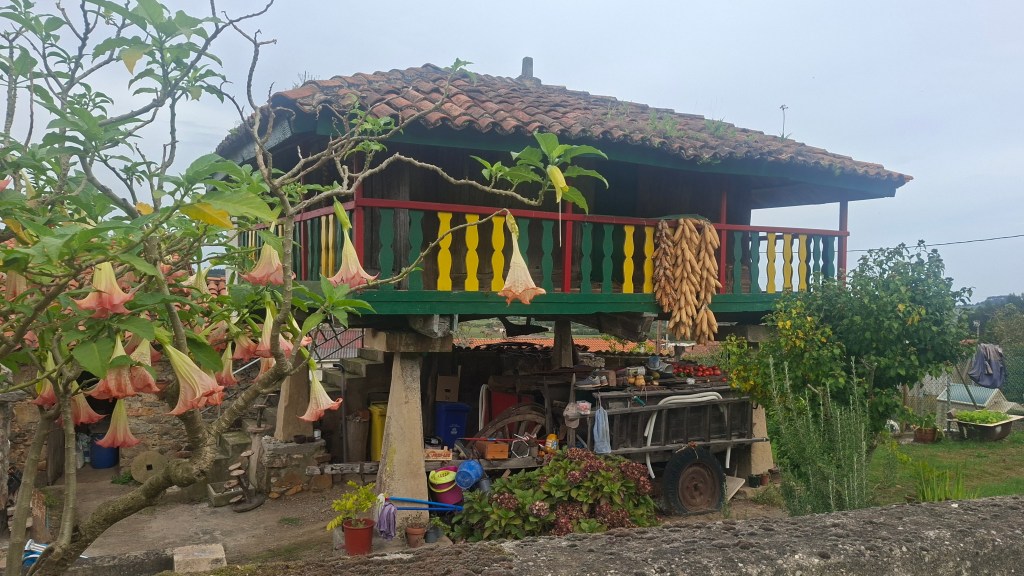
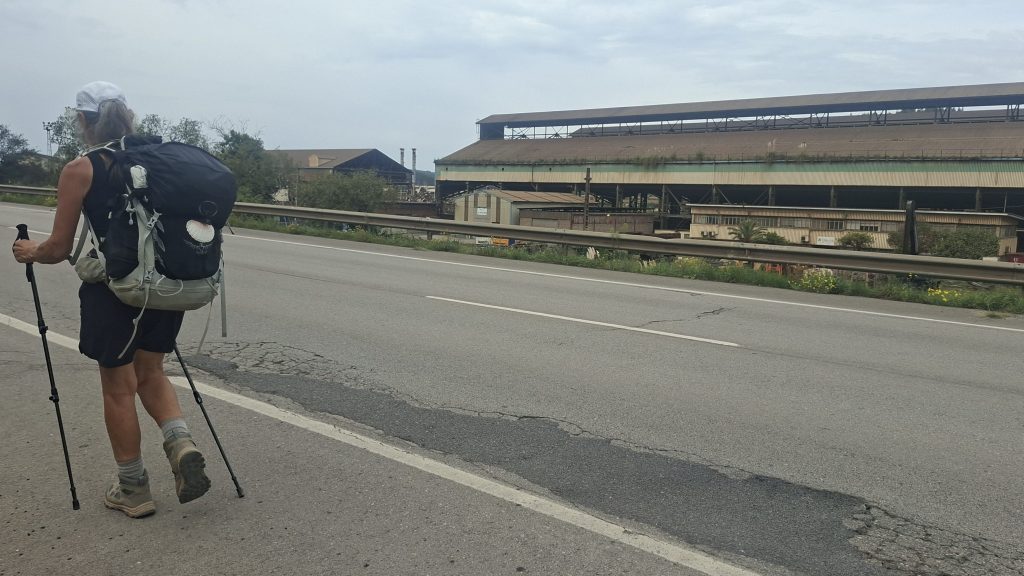
Leaving Gijón, the landscape remains interesting. I walk through a semi-industrial, semi-rural landscape, along one main road, under a motorway and railway tracks, under rusty old conveyor belts still trundling minerals along to the steelworks. Other huge rusting conveyor belts snake down from the mountains ahead. Decaying houses, chickens behind wire fences, chickens breaking loose, and still the grainstores perched on stilts beside the houses.
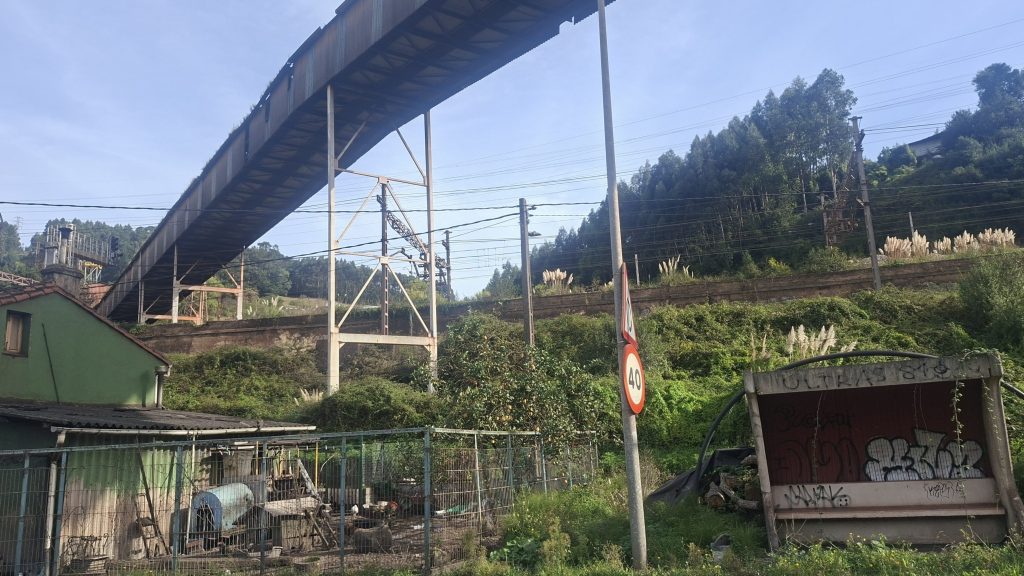
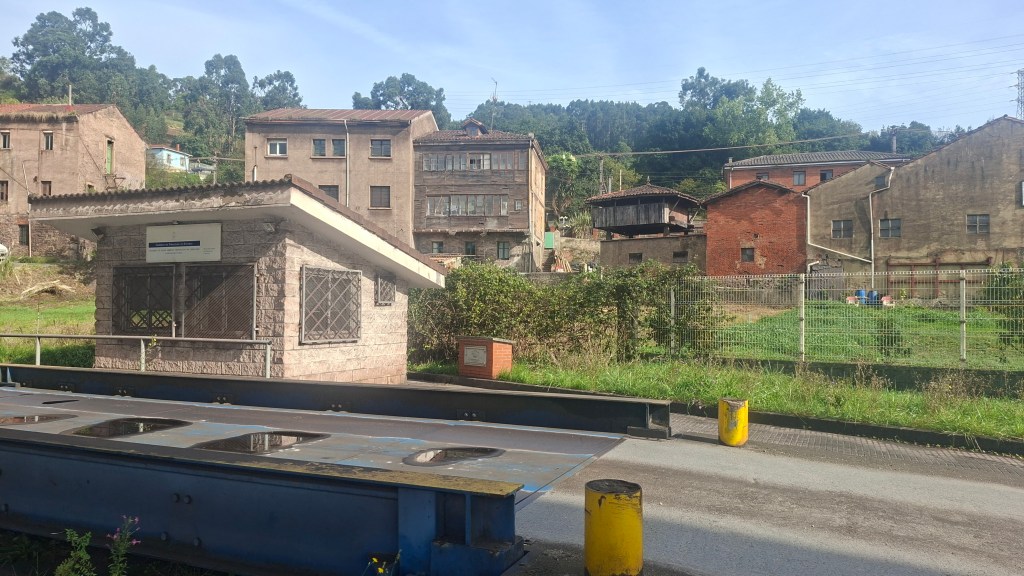
As a soft southerner from a pretty much entirely de-industrialized country, I feel more of a tourist in this industrial landscape than I do on the beautiful coasts and mountains.
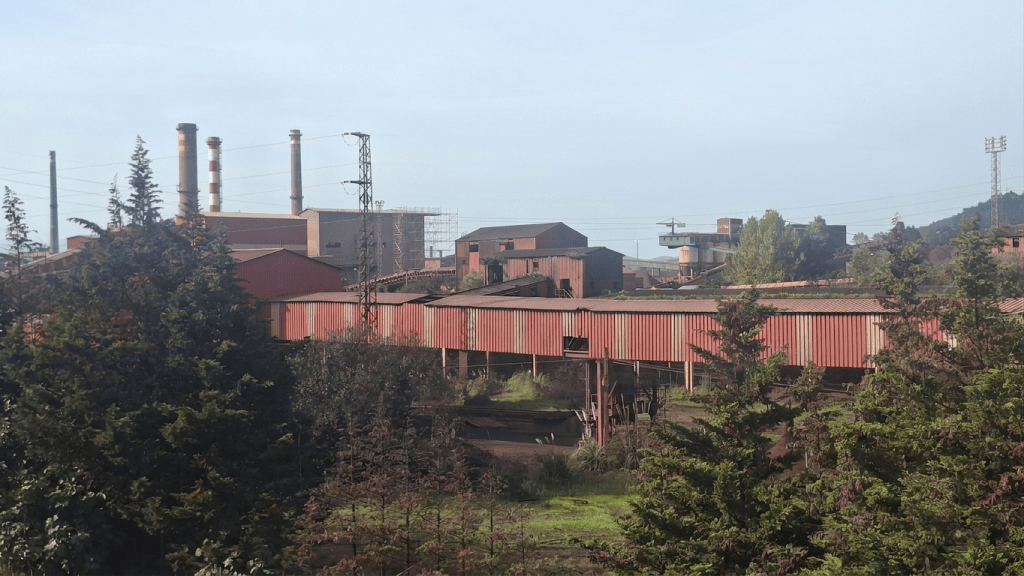
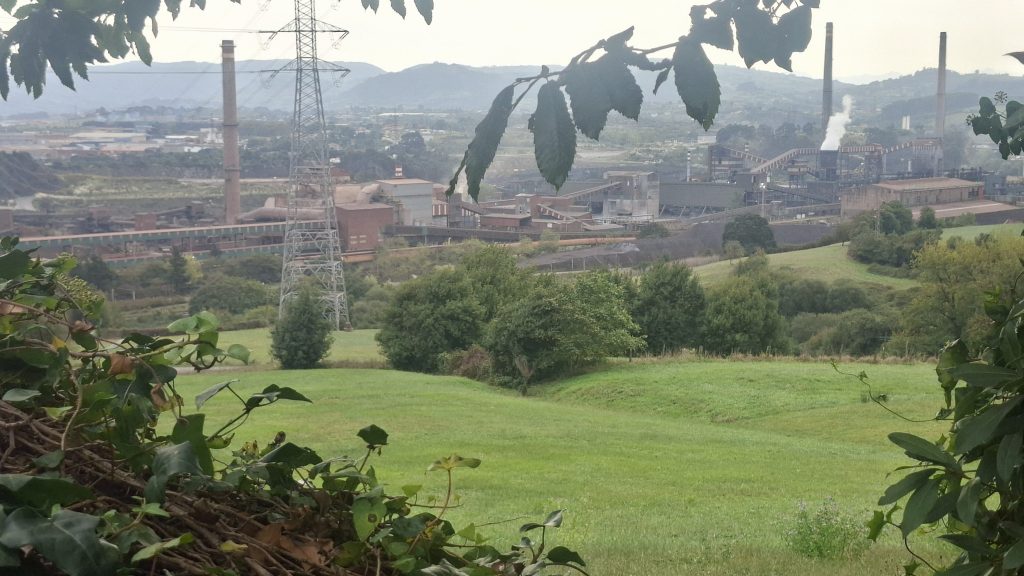
After a little while, the remarkable rusting industrial belt turns into unremarkable countryside: people on horseback, rolling fields. And then, as the next city approaches and the first factory appears, I see, across a bit of wasteland, the café, which I have had on my radar for some time, and it’s open on a Sunday.
I don’t expect to find anyone else there, but to my surprise, top bunk Yvonne from the convent is ordering some food at the bar. I sit with her a while. Like many other pilgrims, she had meant to skip today, but her taxi never turned up and she ended up walking.
And so, for the rest of the day, I have a walking companion, which is good for helping the time pass, walking in through the suburbs of Avilés. Yvonne too admits that it’s interesting getting a chance to see these otherwise ignored places. I really don’t understand why anyone would skip it.
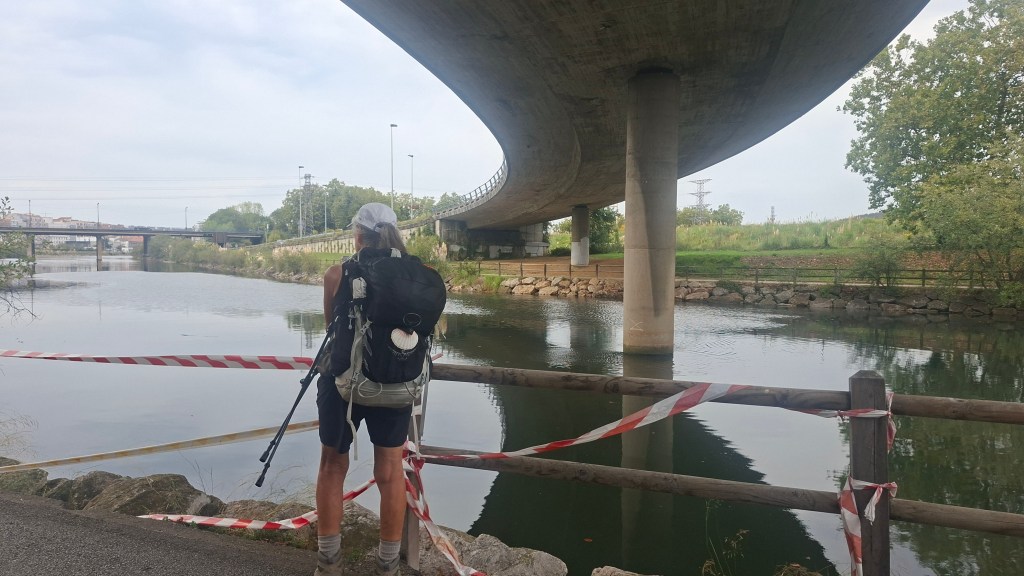
We’re heading in to town via a river where we exchange our Camino stories. Yvonne has been walking caminos since 2008, mainly the Francés and the Norte, the peopled Caminos. All those people is a lit of stories.
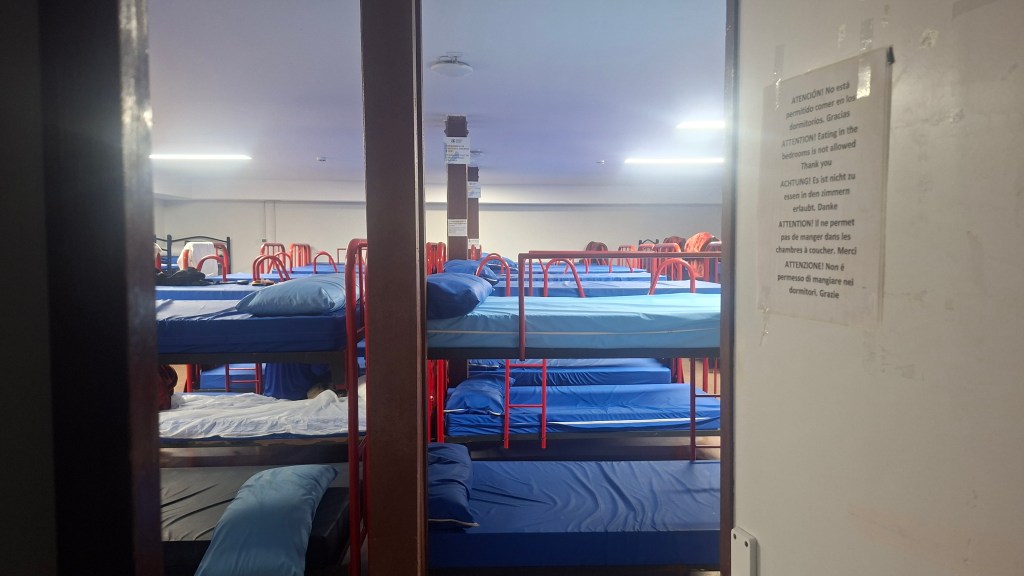
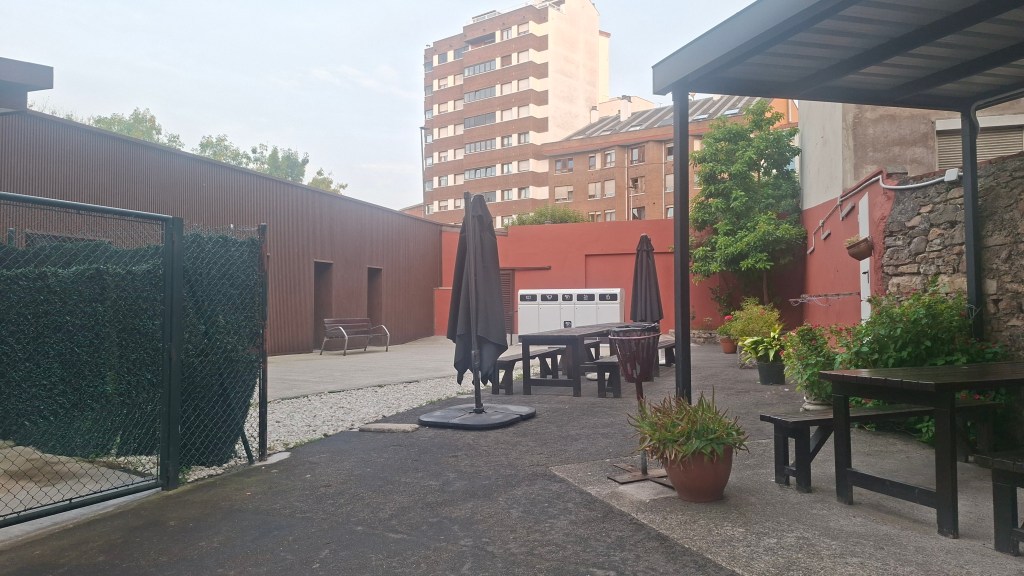
When we arrive at the albergue in Avilés, it is the huge room full of bunks I’ve seen in the guide, but only half full, so bottom bunks for everybody, and remarkably, it doesn’t feel too crowded. People socialise outside on the benches in the yard.
I’ve lost the ability to socialise for now. My legs stay strong, but my social battery wears down in no time at this stage. Still, it’s good to see the faces, to say hello. I see Grace, of course, who took the bus here and spent the day looking at the beautiful museum. She shows me the pictures, and I enjoy my virtual mini tour.
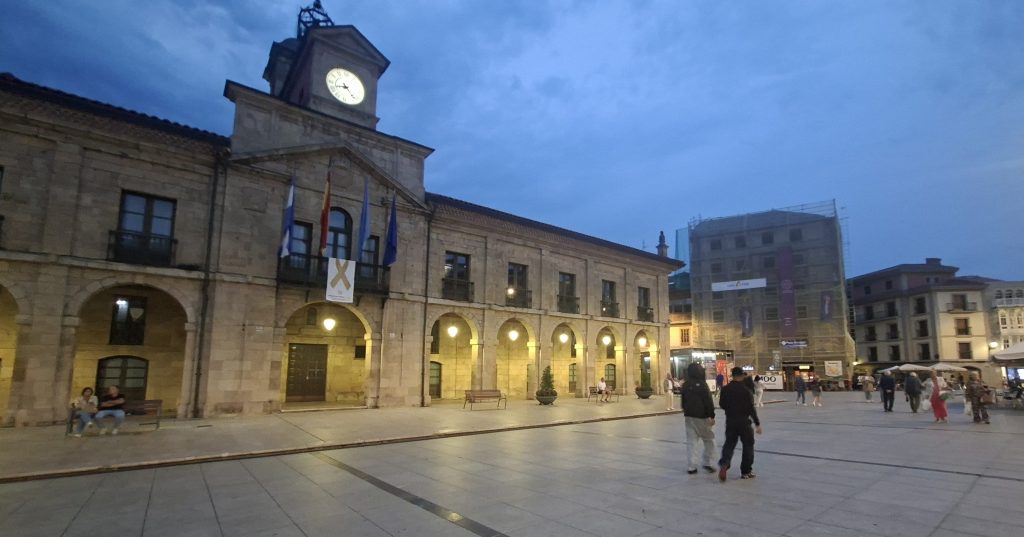
I have a brief stroll around the evening streets of Avilés, covered walkways, bars and cafés, quiet on a Sunday night. And quiet is good. Quiet I can deal with.


Leave a comment